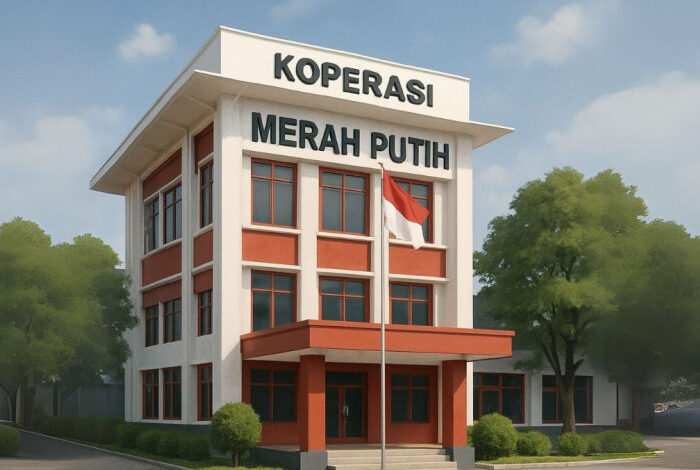

Central Java – Strengthening the governance of Merah Putih Village/Urban Cooperatives (KDKMP) continues to be a key focus of the government across various regions, in line with the program’s expansion to 38 provinces throughout Indonesia. This effort is considered crucial to ensure that cooperatives truly function as drivers of the people’s economy at the village and urban community levels, while also preventing managerial issues that have affected previous cooperative models.
The Regional Secretary of Central Java Province, Sumarno, emphasized that the governance of Merah Putih Cooperatives must receive serious attention from all local governments. He urged regional secretaries at the regency and city levels to carry out consistent supervision and guidance so that cooperatives can operate professionally and prioritize the interests of their members.
“KDKMP must be a serious concern. We must not repeat the experience of the former Village Unit Cooperatives that collapsed due to management problems,” Sumarno said during the Coordination Meeting of the Forum of Regional Secretaries of Indonesia for the Central Java Regional Commission in Tegal City. He added that inter-regional secretary coordination forums serve as strategic platforms to align perspectives in addressing governance and regional financial challenges, including cooperative development.
Data from the Central Java Office of Cooperatives and MSMEs as of October 2025 recorded 8,523 legally established Merah Putih Cooperatives, with 3,891 units already in operation and a total membership of 136,112 people. These figures reflect strong public enthusiasm for this cooperative model as a means of strengthening the local economy.
Tegal Mayor Dedy Yon Supriyono highlighted the importance of alignment between regional heads and regional secretaries in overseeing strategic programs, including cooperatives. According to him, open communication can prevent bureaucratic barriers that may hinder policy implementation. “What matters is that the regional head and the regional secretary are on the same wavelength. If there is a mismatch, they should remind each other so policies can run properly,” Dedy said.
From an academic perspective, support for strengthening governance was also expressed by Edi Suprianto, an academic from Muhammadiyah University of Pontianak. He assessed that the formation of Merah Putih Cooperative management has followed appropriate mechanisms, as it was decided through village deliberations involving cooperative members and village officials. According to him, this participatory model serves as an important foundation for sound cooperative governance.
“The appointed management is believed to be capable of implementing the cooperative business system that has been established, including its managerial aspects,” Edi said.
With synergy among local governments, academics, and other stakeholders, Merah Putih Village Cooperatives are expected not only to expand quantitatively across provinces, but also to be strong in governance, thereby truly becoming pillars of community economic independence.
