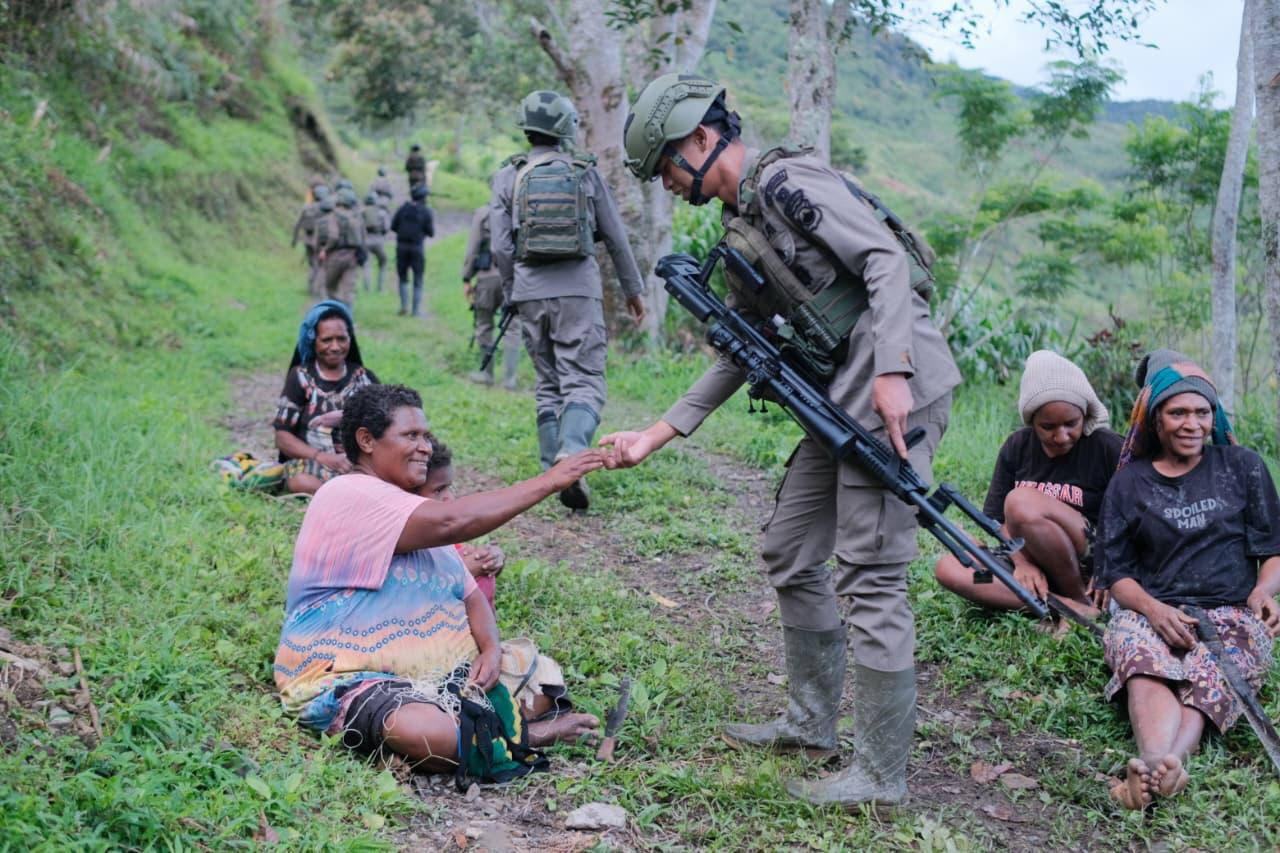

Papua – The government continues to strengthen the implementation of National Strategic Projects (PSN) in the Papua region as part of efforts to accelerate development and improve public welfare. This commitment is demonstrated through strict oversight by law enforcement officials, support from the Indonesian National Armed Forces (TNI), and synergy with local governments and academics.
Attorney General of the Republic of Indonesia, ST Burhanuddin, emphasized that all levels of the Attorney General’s Office (AGO) have been asked to oversee 38 PSN projects in Papua, totaling Rp 3.7 trillion. Oversight is being carried out comprehensively, from the planning stage to implementation, to ensure each project is running according to regulations and providing optimal benefits to the community.
“Oversight is being carried out comprehensively to ensure all strategic projects are running according to regulations and have a real impact on the Papuan people,” he said.
In addition, the AGO also supports various priority government programs, such as strengthening food security, implementing nutritious food programs, and overseeing village cooperatives. These steps are part of efforts to achieve development that focuses not only on infrastructure but also on community economic empowerment.
Support for the National Strategic Program (PSN) also comes from the Indonesian National Armed Forces (TNI), through the XVII/Cenderawasih Regional Military Command (Kodam). Military Commander Major General Febriel Buyung Sikumbang expressed his personnel’s readiness to oversee national strategic programs and maintain security stability in the Papua region. He stated that a conducive security environment is a crucial factor in supporting smooth development.
“We are ready to oversee national strategic programs and ensure security stability is maintained to support the welfare of the Papuan people,” he said.
The TNI is also involved in various development activities, including infrastructure construction such as roads and bridges, as well as territorial development aimed at strengthening relations with the community. The TNI’s presence is expected to provide a sense of security and encourage active community participation in development.
Meanwhile, the Papua Provincial Government is encouraging the involvement of universities in overseeing the implementation of the PSN. Acting Papua Regional Secretary, Christian Sohilait, emphasized the crucial contribution of academics in providing scientific-based input to improve the program’s effectiveness.
“The role of universities is crucial for the national strategic program to be more effective and on target,” he said.
Overall, the implementation of the PSN in Papua demonstrates solid cooperation between various parties. With strong security, security support, and cross-sector collaboration, the government is optimistic that development in Papua will proceed more quickly and have a real impact on improving the welfare of the community.
