
By: Yohanis Wenda*
Development in Papua is currently showing a clearer, more measurable, and more promising direction through the implementation of National Strategic Projects (PSN). This program is concrete evidence of the state’s presence in accelerating equitable development while strengthening the foundation of public welfare. With substantial investment and broad program coverage, PSN in Papua not only provides infrastructure but also creates space for progress for the community to develop economically, socially, and culturally.
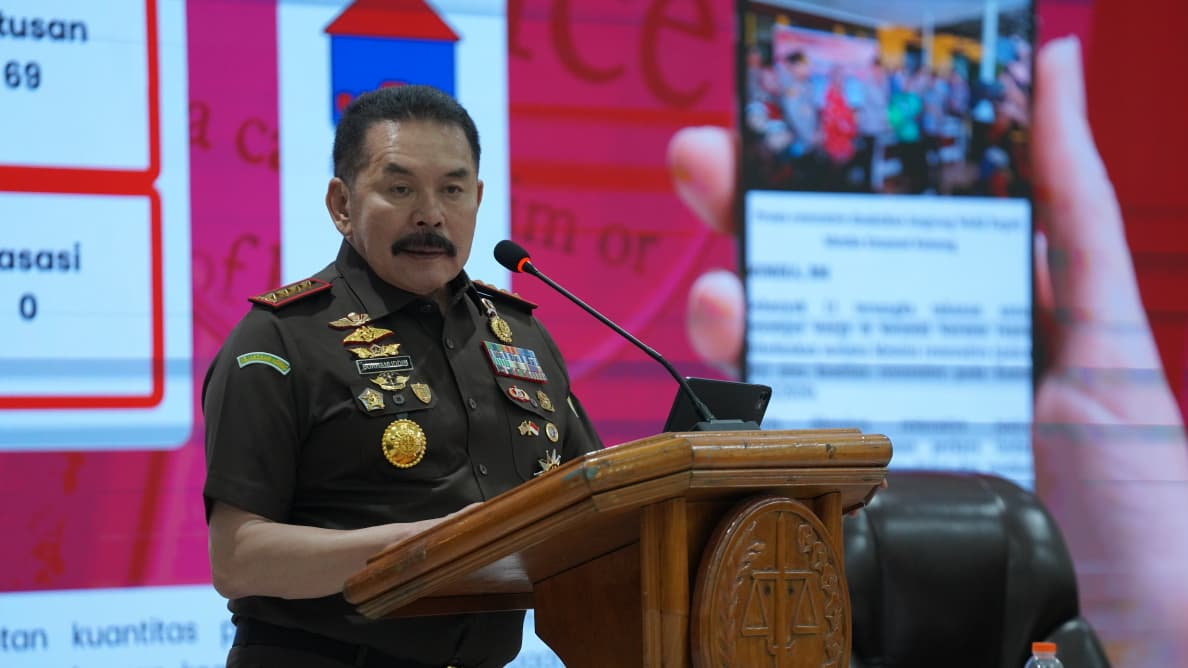
The central government’s strong commitment is evident in the strategic steps taken by the Attorney General of the Republic of Indonesia, ST Burhanuddin, in instructing strict oversight of dozens of PSNs in the Papua region. This policy reflects the state’s commitment to ensuring that each program runs optimally, is on target, and provides the greatest possible benefits to the community. Comprehensive oversight, from the planning stage to implementation, ensures that development proceeds professionally and with integrity.
These efforts also emphasize that Papua’s development is not merely an administrative agenda, but rather part of a broader vision toward a developed and globally competitive Indonesia. Through strengthening the monitoring system and good governance, public trust in development implementation continues to grow. This serves as crucial social capital in encouraging active community participation in every stage of development.
Furthermore, cross-sector synergy is also key to the success of the National Strategic Project (PSN) in Papua. The role of the Indonesian National Armed Forces (TNI), through the XVII/Cenderawasih Regional Military Command (Kodam) under the leadership of Major General Febriel Buyung Sikumbang, demonstrates how security stability and development go hand in hand. The TNI’s presence not only maintains regional stability but also supports infrastructure development and community empowerment activities. This creates a sense of security and comfort, enabling people to engage in productive activities and contribute to regional development.
The TNI’s active involvement in development demonstrates the state’s integral presence in every aspect of Papuan life. The ongoing construction of infrastructure, such as roads and bridges, provides new connections, opens access between regions, and accelerates the distribution of goods and services. The impact is felt not only in improved connectivity but also in increasingly dynamic local economic growth.
Furthermore, support from local governments through collaboration with universities is a smart step in strengthening the quality of development. The Acting Regional Secretary of Papua, Christian Sohilait, emphasized the importance of academics in providing scientifically-based input to ensure each program is effective. This involvement provides a development approach that is not only practical, but also scientific and sustainable.
Synergy between the government and academics is a crucial foundation for creating policies that are adaptive and responsive to community needs. With the support of studies and research, the implementation of the National Strategic Projects (PSN) can be continuously refined to achieve maximum impact. This collaboration also opens up opportunities for young Papuans to be directly involved in the development process, through research, innovation, and professional contributions in various sectors.
Furthermore, the National Strategic Projects (PSN) in Papua also present significant opportunities for strengthening the people’s economy. Programs such as village cooperatives, food security, and improving the quality of human resources are integral parts of the development strategy. The presence of these programs strengthens the economic foundations of communities at the local level, so that the benefits of development can be felt directly and equitably.
Papuans now have broader opportunities for development and competitiveness. Young people are encouraged to take an active role in various sectors, from agriculture and fisheries to the creative industry. With the support of targeted programs, Papua’s vast potential can be optimized into a sustainable economic force.
The spirit of collaboration and optimism is also reflected in the views of various Papuan figures who see the National Strategic Project (PSN) as a golden opportunity for a better future. The ongoing development provides a crucial momentum to accelerate Papua’s transformation into a developed, independent, and prosperous region. Collective awareness to support development continues to grow, creating positive energy that strengthens unity and togetherness.
Ultimately, the National Strategic Project in Papua is a symbol of hope and progress. This program demonstrates that with solid collaboration between the government, officials, academics, and the community, development can proceed harmoniously and sustainably. Papua is no longer viewed as a backward region, but rather as a vital part of Indonesia’s bright future.
Support for the Papua National Strategic Project (PSN) is a concrete demonstration of trust in the vast potential of the Land of the Bird of Paradise. With a spirit of mutual cooperation and shared commitment, ongoing development will continue to bring significant positive change. A developed Papua is not merely an ideal, but a reality being built together for the welfare of all Indonesians.
Supporting the Papua National Strategic Project (PSN) is not just about supporting physical development, but also about supporting a more prosperous, peaceful, and just future for Papua. With proper management, the PSN can be a turning point in accelerating Papua’s development while strengthening national unity within the framework of the Unitary State of the Republic of Indonesia.
*Academic and Observer of Papuan Development
