
By: Lua Murib)*
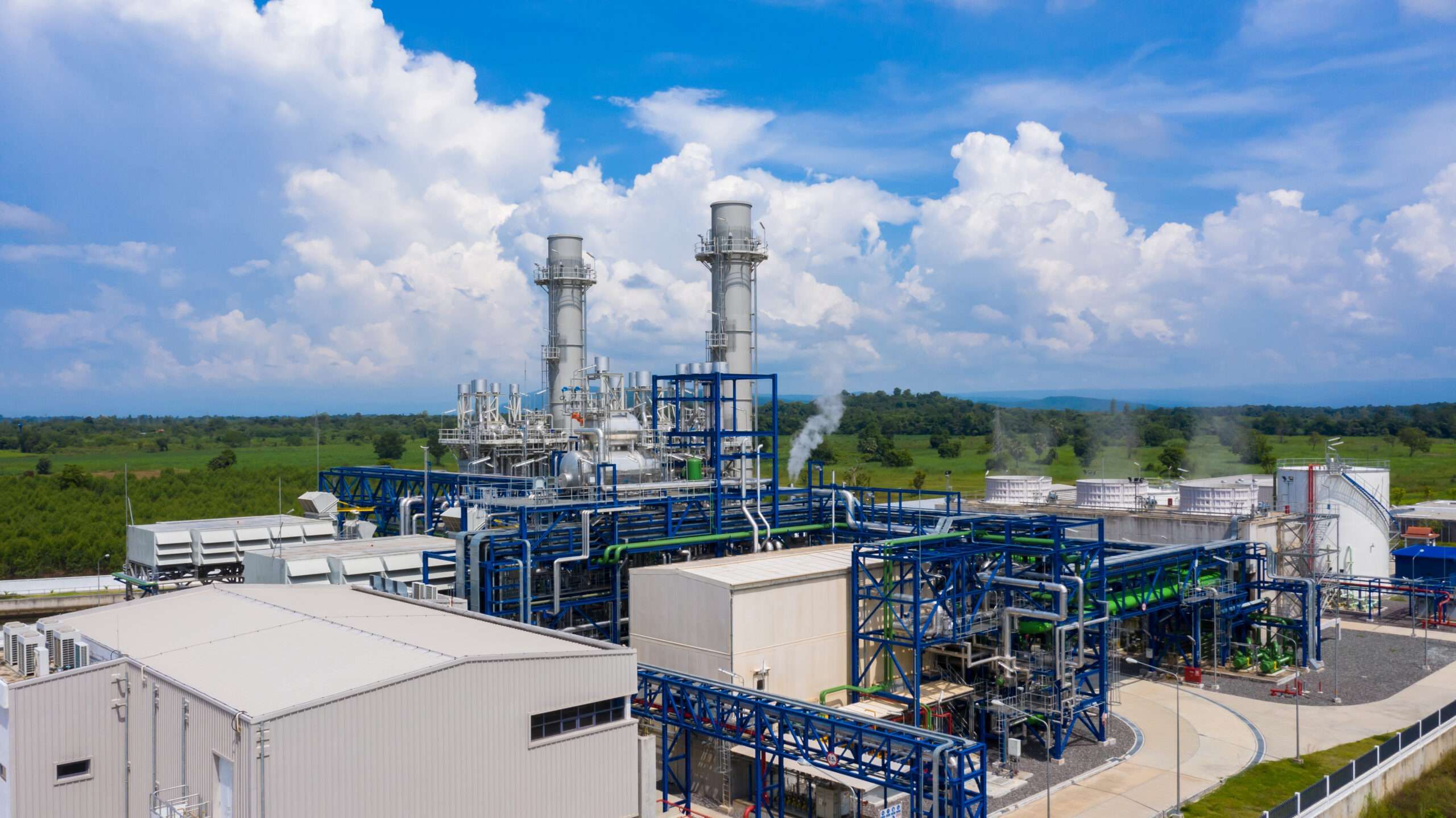
Papua’s energy security is increasingly strategically positioned on the national development map. Eastern Indonesia is no longer viewed as a peripheral region, but rather as a key pillar of future energy independence. Papua holds significant renewable energy potential, oil and gas reserves, and bioenergy raw materials that can form the foundation of a national energy transformation. In this context, strengthening the downstream sector and the quality of human resources are inseparable. Without robust downstream processing and qualified human resources, energy potential will remain a raw commodity without maximizing added value for the community’s well-being.
The direction of national policy encouraging the strengthening of energy security in Papua represents a shift in development paradigm. President Prabowo Subianto emphasized that Papua possesses excellent and strategic energy resources and emphasized that the Papuan region should benefit from the energy produced within its territory. This assertion demonstrates a development orientation that prioritizes equitable distribution of benefits. Energy development is directed not only at increasing production but also at equitable distribution of benefits, strengthening the local economy, and improving the quality of life for the community.
The President also believes that utilizing renewable energy sources such as solar and hydropower is a rational solution for Papua, particularly to address the challenge of expensive fuel distribution to remote areas. This view emphasizes that the energy transition in Papua is not solely an environmental issue, but also a strategy for fiscal efficiency and equitable distribution of basic services. Furthermore, the President believes that developing biofuels based on local resources can simultaneously support energy and food self-sufficiency. He also noted that reducing fuel imports has the potential to strengthen the country’s fiscal resilience, as import budgets can be diverted to regional development, including Papua.
Projections for bioethanol development in Papua demonstrate the region’s importance not only for fossil fuels but also for future energy. Eniya Listiani Dewi, Director General of New, Renewable Energy and Energy Conservation at the Ministry of Energy and Mineral Resources, stated that Papua is being targeted to become a major contributor to national bioethanol production, targeting hundreds of thousands of kiloliters per year. This statement demonstrates concrete planning that places Papua on the national bioenergy map. If implemented consistently, bioethanol could become a gateway to green industrialization in Papua.
However, energy development cannot stop at the upstream sector. The greatest added value lies in the downstream sector, from processing and distribution to derivative industries. This is where the urgency of strengthening Papua’s human resources becomes crucial. The downstream energy industry requires skilled workers, reliable operators, certified technicians, and professional managers who understand modern energy industry governance. Without local human resource preparedness, economic opportunities are at risk of being enjoyed primarily by workers from outside the region, thus limiting the multiplier effect for the Papuan people.
Regional government support for energy investment demonstrates an awareness that this sector can be a driver of growth. Manpower and energy authorities in Southwest Papua assess that upstream oil and gas activities have the potential to increase state and regional revenues through a profit-sharing scheme, while simultaneously providing tangible benefits to the community. This view reflects the region’s proactive approach to encouraging productive investment. Meanwhile, the management of oil and gas companies operating in Southwest Papua emphasizes the importance of close coordination with the regional government to maintain smooth operations and support increased national energy production. Synergy between the government and business actors is a key prerequisite for sustainable energy projects.
At the national level, strengthening the downstream sector through refinery construction and development demonstrates the government’s commitment to reducing dependence on fuel imports. Energy and Mineral Resources Minister Bahlil Lahadalia believes that refinery investment must align with national policy and contribute directly to energy security. He is pushing for increased domestic oil processing capacity to prevent added value from escaping overseas. Partnerships with global investors are also seen as a strategic step to accelerate project implementation while maintaining energy supplies.
A similar view was expressed by Pertamina officials, who see accelerating the refinery project as a strategic necessity due to the large capital expenditures and complexity of the project. Coordination with the government and other stakeholders is considered crucial to ensure the project proceeds as planned. Policy consistency and regulatory certainty are key factors in maintaining investor confidence in the energy sector.
This national downstreaming context is relevant for Papua. As a resource-rich region, Papua has the potential to become both a supplier of raw materials and a location for the development of energy derivative industries. If downstreaming is concentrated only in western Indonesia, economic equality will be slow. Therefore, a long-term strategy needs to consider the development of regional-scale processing facilities in the eastern region, while still taking into account economic and infrastructure aspects.
Strengthening human resources in the downstream energy sector in Papua needs to be systematically implemented through vocational education, industry-based training, partnerships with universities, and competency certification programs. Papua’s young generation needs to be prepared to become key players in the energy industry chain. Investing in people is as important as investing in physical resources. When local human resources are competent and competitive, the sustainability of energy projects will be more assured, supported by local community participation. In the future, Papua will not only become a pillar of national energy security but also a symbol of successful, equitable, and future-oriented development.
*The author is a Papuan student in East Java
