

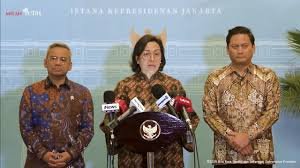
Jakarta – The government is pushing for the implementation of 18 strategic projects in the downstream and energy security sectors, which have entered the pre-feasibility study stage. Within the national development strategy, which focuses on increasing the added value of natural resources, downstreaming is viewed not only as an effort to increase state revenue and exports but also as a concrete step towards creating new jobs for Indonesians.
These projects are the result of a study by the Downstream and Energy Security Task Force which was then submitted to the Nusantara Anagata Energy Investment Management Agency (BPI Danantara) for follow-up.
BPI Danantara Chief Executive Officer (CEO), Rosan Roeslani, stated that the total investment value of the entire project is approximately IDR 618 trillion. This figure is expected to create more than 270,000 jobs across various sectors.
“The total of 18 projects, valued at approximately IDR 618 trillion, is estimated to create more than 270,000 jobs in various sectors,” said Rosan.
The downstreaming policy is the backbone of realizing a sovereign and sustainable economy. By no longer relying on raw material exports, Indonesia is committed to building a strong domestic industrial ecosystem.
The Minister of Energy and Mineral Resources (ESDM), Bahlil Lahadalia, stated that some projects are ready to be executed in the near future, in accordance with President Prabowo Subianto’s mandate to accelerate the implementation of downstreaming in various sectors.
“We are collaborating so that the total benefits of the added value are all circulated domestically and that will create good jobs with decent wages, not just wages—sorry, not just the minimum wage,” he said.
Bahlil stated that this was intended as part of a strategy to promote economic equality and improve equity in industrial development areas. Downstream industries, such as nickel, bauxite, copper, and palm oil processing, have demonstrated significant potential for creating direct and indirect jobs.
This industrial transformation is designed to improve people’s quality of life by increasing incomes and providing more equitable employment opportunities. The government emphasizes the importance of developing integrated industrial zones with supporting infrastructure, vocational education, and modern logistics systems to optimize the downstream process.
President Prabowo places great emphasis on equitable and comprehensive development. The proposed downstreaming program will continue to be closely monitored to ensure it truly creates added economic and social value.
