
By: Naufal Azhari )*
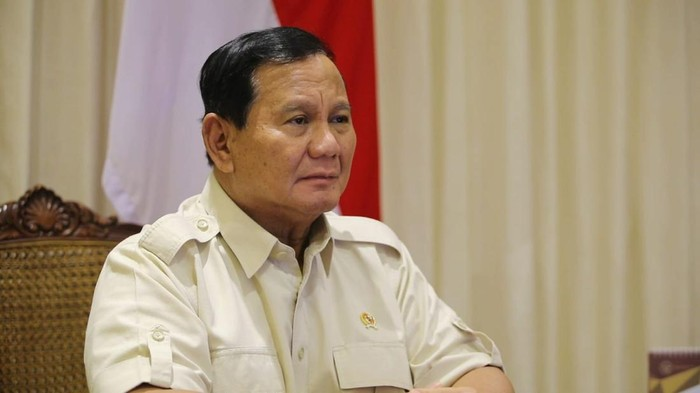
The Indonesian government under the leadership of President Prabowo Subianto continues to strengthen its commitment to eradicating corruption as a national priority agenda. In various official state forums, the President consistently delivers a stern warning to all levels of state administrators to immediately make internal improvements, improve governance, and avoid all forms of abuse of power. The government believes that stability, justice, and prosperity can only be achieved if corrupt practices are eradicated systematically and comprehensively.
The President emphasized the importance of consolidating state power to confront corruptors who are still entrenched in the government system. The government stated that it would not hesitate to take firm action against anyone who does not show loyalty to the interests of the nation. This commitment reflects an uncompromising policy direction against crimes that damage the foundations of democracy and national development.
The affirmation is not merely symbolic. The government has shown concrete steps by establishing a stronger and more integrated supervision system. One example is the reform in the Hajj administration sector, which has been considered vulnerable to collusion and abuse of authority. To ensure optimal supervision, the President appointed seven former investigators from the Corruption Eradication Commission (KPK) to strengthen the Hajj Organizing Agency.
Gerindra Party politician Hendarsam Marantoko stated that the placement of former KPK investigators in the hajj monitoring system reflects the President’s special attention to the sector. According to him, although the hajj activity is based on religious values, corrupt practices still often occur, and require extra tight supervision. This step is considered as part of an effort to build a cleaner, more open, and more accountable system in the public service sector which is very sensitive for the people.
The President’s seriousness in fixing various sectors is not only apparent in the religious realm, but also in taking action against corporate corruption that harms the state and the wider community. The Attorney General’s Office together with the Corruption Eradication Commission (KPK) has continued to actively uncover major cases since the beginning of Prabowo’s administration. One of the cases that has received widespread attention is the case involving the former President Director of PT Sritex. The action against this case is clear evidence that the government does not hesitate to take action against perpetrators of crimes, even if they come from large industrial circles.
Minister of State Secretary, Prasetyo Hadi, assessed that the investigation of the PT Sritex case showed the government’s hard work in enforcing the law and protecting public interests. He explained that the impact of the case was not only economic, but also social, considering that thousands of employees lost their jobs because the company was unable to operate optimally. The government saw that the actions of the individuals behind this case not only harmed the textile business sector, but also showed gaps in banking supervision that needed to be fixed immediately.
Prasetyo also said that the Sritex case is a warning that the credibility of the national financial system must be strengthened, considering that the abuse of authority in credit distribution also contributed to the worsening condition of the company. The government realizes that eradicating corruption must involve comprehensive improvements, starting from the licensing system, banking risk management, to business feasibility evaluation. This is important to prevent major losses that have a direct impact on the workforce and the stability of the national industry.
On the other hand, the government also encourages public participation in overseeing the implementation of clean governance. President Prabowo invited the public, especially the younger generation, to use technology as a tool for social control over the behavior of public officials. The public is encouraged to actively monitor, report, and disseminate information if they find irregularities. The government believes that the power of society in the digital era can be an important complement in forming a more resilient and responsive anti-corruption ecosystem.
The government also recognizes the importance of international cooperation in expanding the reach of corruption eradication, especially in the era of economic globalization. One important initiative is Indonesia’s commitment to join the Anti-Bribery Convention initiated by the Organization for Economic Cooperation and Development (OECD). This convention will be a new legal basis for the KPK to handle cross-border bribery cases, especially those involving corporate entities in international business transactions.
With Indonesia joining this convention, the scope of the KPK’s work will be expanded, allowing the anti-corruption agency to take action against corruption crimes at the global level. So far, limited regulations have made it difficult to take action against cross-border corruption. The government sees the ratification of this OECD convention as a strategic step to strengthen the national legal system and align it with international standards.
The government’s policies and concrete actions show that eradicating corruption is not only part of a campaign promise, but also a main pillar in building a sovereign and just country. The government does not only rely on enforcement, but also builds a strong system to prevent corruption early on through bureaucratic reform, strengthening regulations, and collaboration with the community and the international community.
All of this shows that the corruption eradication agenda in the era of President Prabowo Subianto is moving comprehensively and systematically. The government is not only showing firmness, but also consistency in every step, in order to create a clean, strong government that is oriented towards the interests of the people. By prioritizing political courage, integrity, and cross-sector collaboration, the government emphasizes that Indonesia will no longer tolerate corruption in any form.
)* The author is a contributor to the Khatulistiwa Institute Journal
