President Prabowo’s Commitment to Accelerating the Implementation of Free Nutritious Meals for a Healthy Indonesia

By: Bara Winatha )*
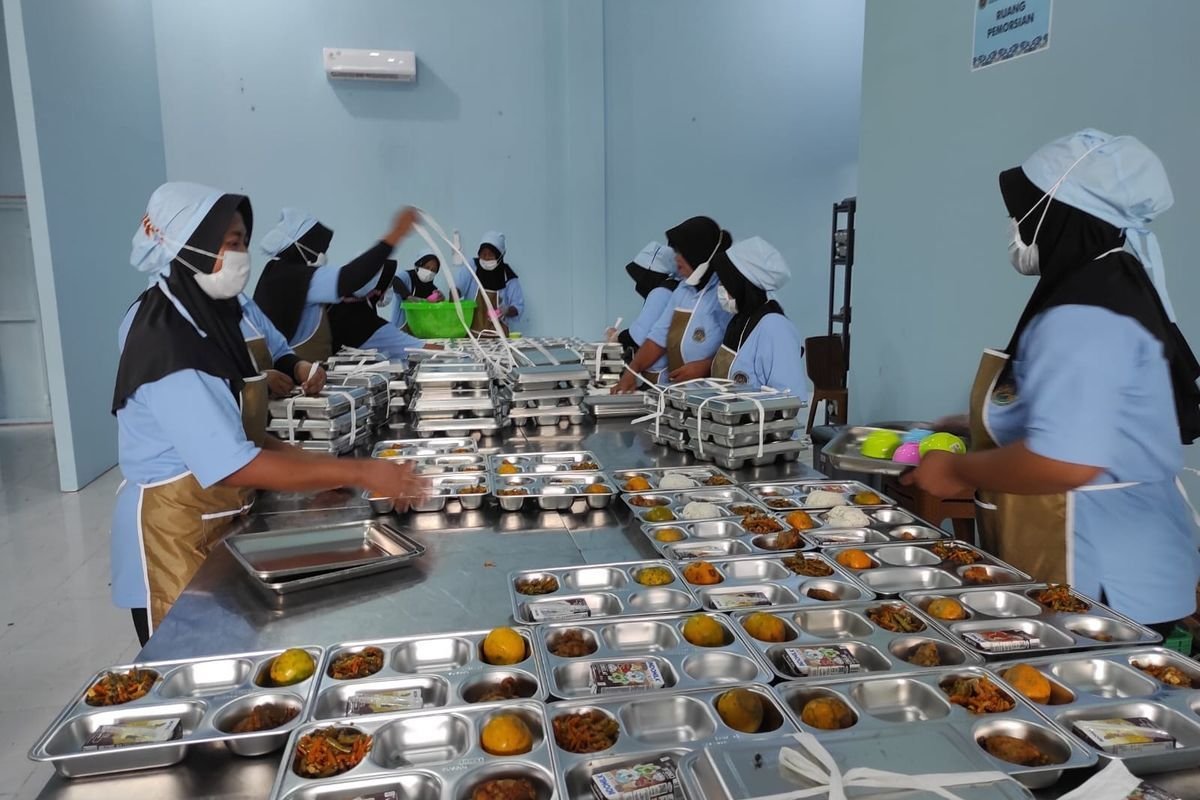
The government continues to demonstrate its strong commitment to realizing the vision of a Healthy Indonesia by accelerating the implementation of the Free Nutritious Meals (MBG) program. This national initiative is a long-term strategy for developing a smart, healthy, and globally competitive generation. With its continuously expanding reach, the program is now entering an accelerated phase, targeting millions of beneficiaries in a relatively short time.
The President of the Republic of Indonesia, Prabowo Subianto, stated that accelerating the implementation of the MBG program is a strategic priority that needs to be concretely realized before the commemoration of Indonesian Independence Day on August 17, 2025. He targets 20 million beneficiaries to have access to nutritious food before that date. The President also expressed optimism that this target can be achieved. He even set a further, far more ambitious target of reaching 82.9 million beneficiaries by the end of 2025.
This achievement will make Indonesia the country with the largest and fastest implementation of a nutrition program in the world. He cited a comparison with Brazil, which took eleven years to reach 40 million children, while Indonesia aims to double that number in one year. On numerous occasions, he also emphasized that the public has the right to demand fulfillment of the government’s promises, including the MBG evaluation planned for the end of the year.
The Head of the National Nutrition Agency (BGN), Dadan Hindayana, stated that his agency has taken various concrete steps to ensure that the implementation of the MBG (National Nutritional Support Program) is on track. He stated that the latest target of 82.9 million beneficiaries by the end of November 2025 represents a significant increase from the previous target of only 17.5 million recipients. To achieve this ambitious target, BGN has established special task forces in the 3T (underdeveloped, frontier, and outermost) regions and is encouraging the establishment of nutrition agencies at the district and provincial levels. This step is being carried out through intensive coordination with the Ministry of Home Affairs to accelerate program implementation in the regions.
The success of the MBG program is determined by three main pillars: budget, infrastructure, and human resources (HR). Two of these components have been met—budget and human resources—so the current focus is on completing the construction of supporting infrastructure, including public kitchens, distribution facilities, and an implementation monitoring system. The National Development Planning Agency (BGN) targets completion of all infrastructure by the end of October 2025, ensuring that it will not hinder the ambitious targets set for the following month.
Dadan further stated that President Prabowo had given direct instructions for the National Agency for the Disaster Management (BGN) to immediately complete all stages of the MBG program. The President expressed deep concern for children who have not received nutritious food. This directive emphasized the urgency and priority of this program. In accordance with this directive, BGN is committed to reducing the number of inaccurate implementation incidents to zero percent. BGN also continues to tighten standard operating procedures (SOPs), retrain field officers, and hold technical guidance to ensure the program runs more orderly, safely, and on target.
Meanwhile, Minister of Finance, Sri Mulyani Indrawati, said that the implementation of the MBG program has become one of the priorities in the preparation of the 2026 State Budget (APBN). In a cabinet meeting with President Prabowo and the ranks of ministers in the economic sector, Sri Mulyani conveyed the progress of the preparation of the Financial Note and the 2026 Draft APBN, which includes a number of priority programs such as MBG, the Red and White Cooperative, free health checks, and food security.
The government is currently undertaking comprehensive fiscal reforms to ensure that priority programs remain aligned with sound budget management principles. Strict funding allocation is necessary to maintain a manageable budget deficit and prevent fiscal stability from endangering it. The Ministry of Finance will also continue to optimize state revenues, while directing spending to support essential sectors that directly impact people’s lives.
The government has demonstrated that the human development agenda through nutritional fulfillment is not merely a political promise, but an integral part of the long-term national development strategy. In Prabowo Subianto’s grand vision, the success of the MBG will not only improve the health of Indonesian children but will also symbolize the nation’s courage in responding to global challenges through concrete social action.
Amidst various technical and bureaucratic challenges, the President’s strong political commitment and collaborative work across institutions have been key factors in the program’s implementation. Indonesia is now embarking on a new path, prioritizing social justice-based policies with direct impacts felt by the wider community. The MBG program is about building a healthier, more just, and more empowered future for the nation.
With the acceleration and strict monitoring, the Free Nutritious Meals program is expected to not only reach 20 million recipients by August 17, 2025, but also exceed expectations in realizing the ambitious vision of reaching 82.9 million beneficiaries by the end of the year. This achievement will be a significant milestone in Indonesia’s social development history, as well as proof that with strong political will, major programs can be realized concretely and reach communities even in remote areas.
)* Social and community observer.
