
By: Alfredo Kristiawan )*
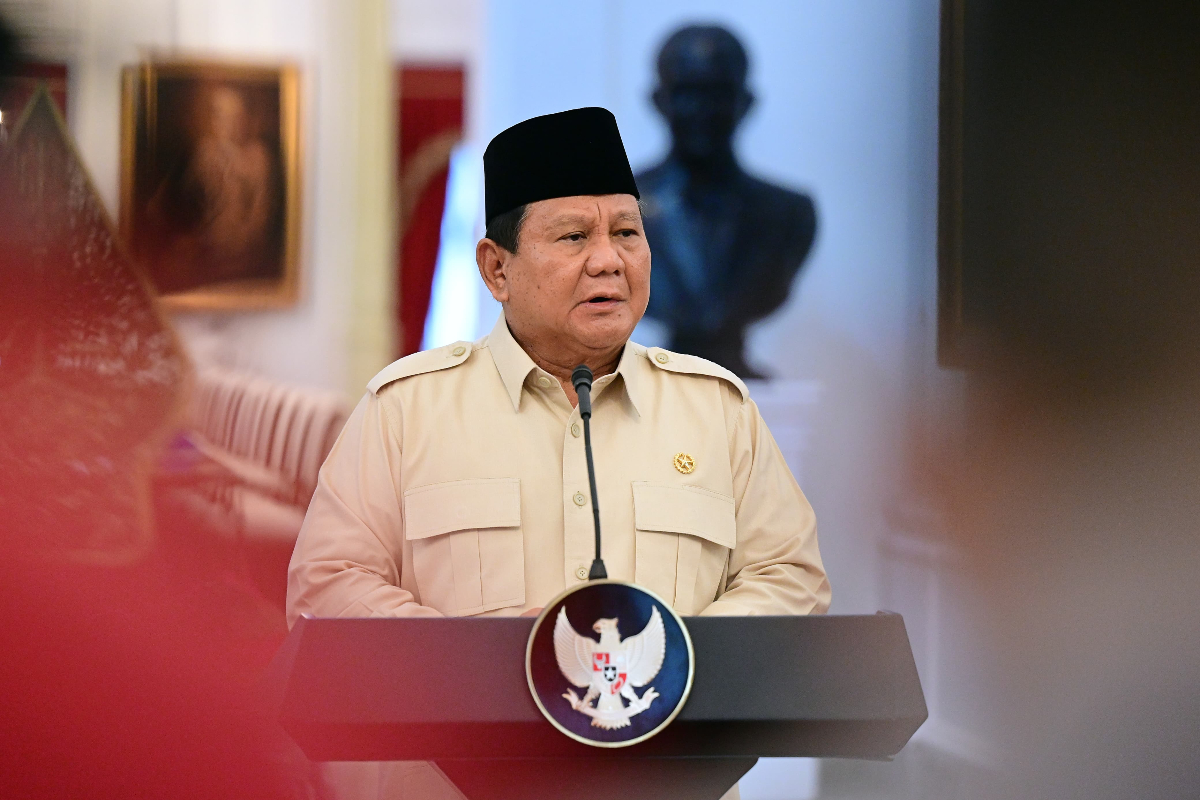
President Prabowo Subianto, in his State Address at the Annual Session of the People’s Consultative Assembly (MPR) and the Joint Session of the House of Representatives (DPR) and the Regional Representatives Council (DPD), reiterated the government’s commitment to making health a fundamental right for all Indonesians. The Free Health Check (CKG) program is designed as a strategic step to develop superior human resources while ensuring equitable distribution of health services regardless of social status, religion, or geographic location. According to the President, the success of this program will be a crucial foundation for realizing Indonesia’s golden generation by 2045.
The President also emphasized that the CKG program is not just a health initiative, but a long-term investment that will reduce future medical costs. Early detection allows diseases to be treated more quickly, allowing children to grow up healthy and productive. He called on all elements of the nation, including local governments and the community, to play an active role in ensuring the success of this program for the future of the younger generation.
Health Minister Budi Gunadi Sadikin stated that the government continues to accelerate the implementation of the CKG Program, targeting 20 million participants to coincide with the 80th anniversary of Indonesian Independence Day. Currently, 17 million participants have been served, and he is optimistic that an additional 3 million participants will be reached before August 17th. The screening service is not only available in large cities but also in remote areas, including islands such as the Mentawai Islands.
To reach remote areas, the Ministry of Health is implementing a proactive approach by sending health teams directly to schools in border areas. This effort effectively overcomes geographic barriers that have long challenged equitable health services. Parental participation is crucial, both by allowing their children to undergo screenings and by providing accurate health information.
The Director General of Public Health at the Ministry of Health, Maria Endang Sumiwi, emphasized that screening procedures are tailored to the child’s condition to avoid concerns for parents. Elementary school students, for example, will not undergo blood draws, but will instead undergo height, weight, blood pressure, and eye, dental, and ear health checks. This demonstrates the government’s focus not only on service coverage but also on student comfort and safety.
The results of the CKG test will form a crucial basis for developing future health policies. Accurate data allows the government to prioritize interventions, such as nutrition, dental health, or vision screenings. This step aligns with the vision of building a preventive, promotive, and sustainable health system for the quality of future generations.
In an official statement, Minister of Religious Affairs Nasaruddin Umar fully supported the CKG Program, which targets 12.5 million students of various faiths. The program encompasses madrasas, Islamic boarding schools, Christian, Catholic, Hindu, and Buddhist schools, reflecting the government’s commitment to upholding diversity. The Ministry of Religious Affairs believes this inclusive implementation ensures that health is a right for every child of the nation without discrimination.
The implementation of CKG in faith-based schools is considered strategic because it reaches a broad and diverse community. The enthusiasm of teachers, principals, and religious leaders contributes to the program’s success. Cross-sector collaboration is a key strength of CKG, enabling it to reach all segments of society.
By early August 2025, the CKG Program had reached 12 additional schools in various regions, including Depok, Bandung, and Sidoarjo. Ministry of Health data shows that synergy between schools, community health centers, and local governments is key to successful implementation. Local governments also provide support in the form of facilities, medical personnel, and logistical coordination to ensure optimal service delivery.
The positive impact of the CKG program is beginning to be seen in various regions. These health checks have successfully identified previously undetected problems, such as vision problems and dental health problems in children. These findings enable early intervention so that children’s health can be quickly improved. Healthy children have better learning outcomes, are able to focus in school, and are less absent due to illness. This directly contributes to improving the quality of human resources nationally.
In addition to providing direct health benefits, the CKG Program also has a significant economic impact. By improving early detection and disease prevention, long-term medical costs, which typically burden families, can be drastically reduced. This also reduces the burden on state funding in the curative sector, freeing up funds to strengthen health facilities, medical research, and community empowerment programs. In the long term, a healthy population will have higher work productivity, support economic growth, and strengthen Indonesia’s global competitiveness.
The government is confident that the CKG Program will become a legacy of health policy across generations. This confidence is supported by adequate budget allocation, cross-ministerial coordination, and the active participation of local governments. This program is concrete evidence that the government is committed to improving the quality of health for all levels of society.
By involving ministries/agencies, local governments, and the community, CKG has become a symbol of inclusivity and social justice in the health sector. Full support for this program demonstrates appreciation for President Prabowo’s vision of prioritizing public health. Indonesia is optimistically poised to make steady strides toward a golden generation that is healthy, intelligent, and highly competitive on the global stage.
)* The author is an observer of public health issues
