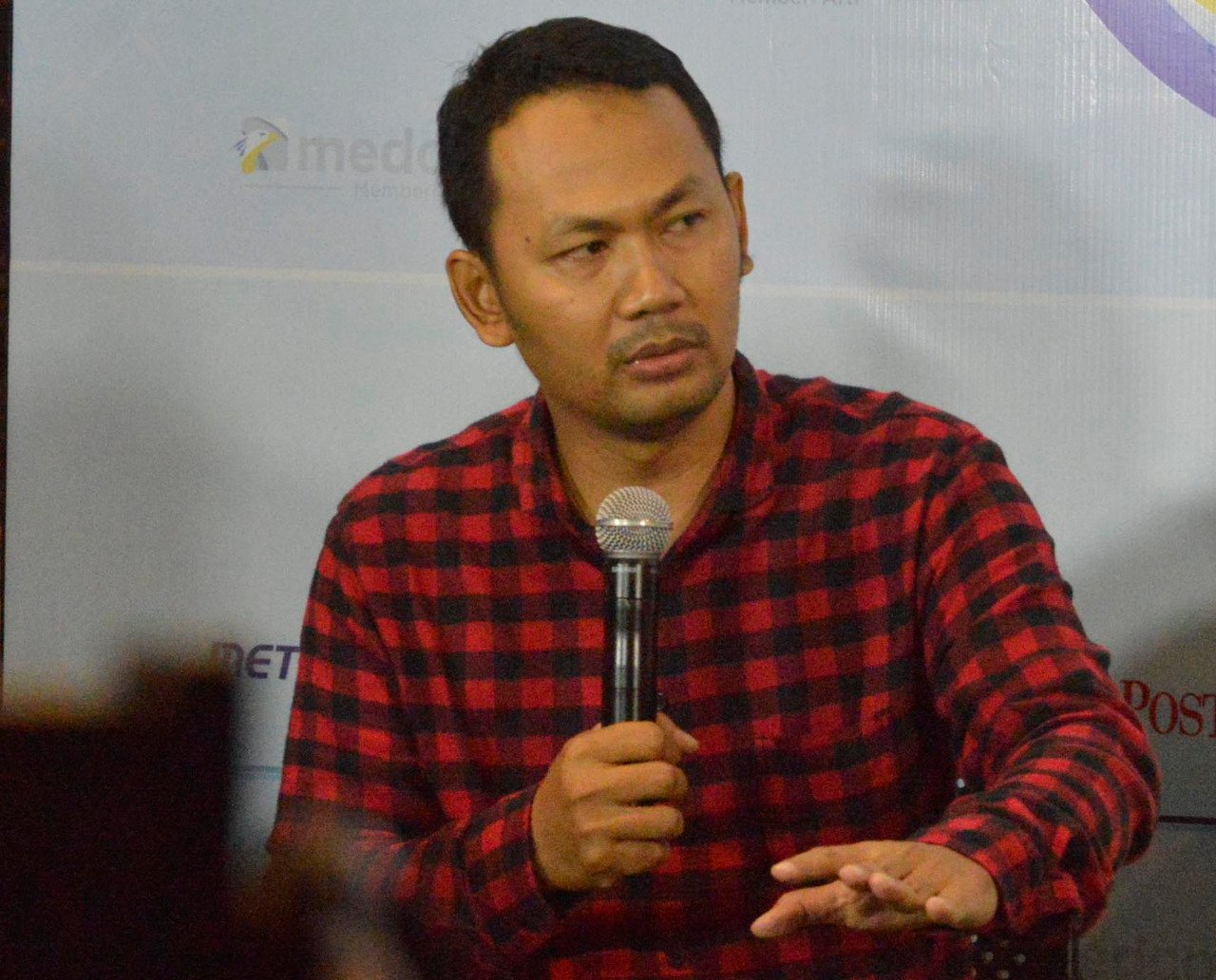

Jakarta – Ahead of the commemoration of the G30S/PKI (Indonesian Communist Party) movement, intelligence and terrorism observer Ridlwan Habib warned of the potential for political polarization that could trigger national instability. He believes that although Indonesia is recovering from a wave of large-scale demonstrations that led to riots, there is still the potential for social unrest that requires serious attention from security forces and all elements of the nation.
Ridlwan believes that post-riot recovery must be comprehensive, not merely symbolic. He also highlighted the increasingly prevalent “eat the rich” narrative on social media, particularly among the younger generation on platforms like TikTok, and Instagram.
“This phenomenon is dangerous because it can trigger social segregation and class conflict. This narrative is often associated with the glamorous lives of officials’ children amidst difficult economic conditions. There’s concern that public opinion will shift toward the stigma that all wealthy people are evil and inconsistent with Pancasila norms,” he explained.
Searches for “eat the rich” on platform X revealed strong pro-contra sentiment, with some even calling for an anonymous account to imitate the unrest in Nepal. “This situation is vulnerable to exploitation by those seeking to undermine national unity, especially in the lead-up to the G30S (Indonesian Revolution),” Ridlwan added.
He believes that although Indonesian society has a strong tradition of tolerance, social media can backfire if left unchecked. Therefore, he emphasized the need for early detection and vigilance by authorities. The government, community leaders, and other national elements are encouraged to actively build communication with the younger generation.
“President Prabowo has previously engaged a number of senior figures through the National Conscience Movement. However, a middleman is also needed, a liaison who can bridge communication with Generation Z. This is crucial to prevent young people from being drawn into extreme ideas,” he said.
He added that the relevance of classical communism has changed. Communism as an organization no longer exists in Indonesia, but the younger generation is being influenced by left-liberal or anarcho-syndicalist ideas. He believes the concept of anarchy, which rejects the legal system and formal authority, is appealing enough to young people to form discussion groups and even participate in demonstrations.
“Communism in organizational form doesn’t exist, but these wild ideas must be scrutinized. The Ministry of Home Affairs has a network of Early Warning Forums across all provinces. If activated before September 30th, these forums could effectively dampen potential unrest in the regions,” he explained.
He also believes that some viewed the previous demonstrations as an attempt to delegitimize President Prabowo’s government. The President himself, Ridlwan said, has revealed indications of treason and terrorism. “In the modern sense, terrorism is an attempt to instill fear for political motives. Meanwhile, treason aims to create instability and disrupt the functioning of government,” he emphasized.
For prevention, Ridlwan advocates for a pentahelix approach. This means that handling is not solely the responsibility of the authorities, but also involves families, relevant ministries, and civil society. “Families have a vital role in supervising children, especially adolescents. The Ministries of Economy, Finance, and Social Affairs must also collaborate. Handling must be cross-sectoral, not a one-party effort,” he concluded.
With collective vigilance, he is optimistic that the potential for polarization ahead of the G30S/PKI commemoration can be mitigated, allowing the nation to remain united in facing various challenges. (*)
