Rapid Cross-Agency Coordination Assists Mobilization and Evacuation of Sumatra Flood Victims

By: Frimawan Lukita Akhmad )*
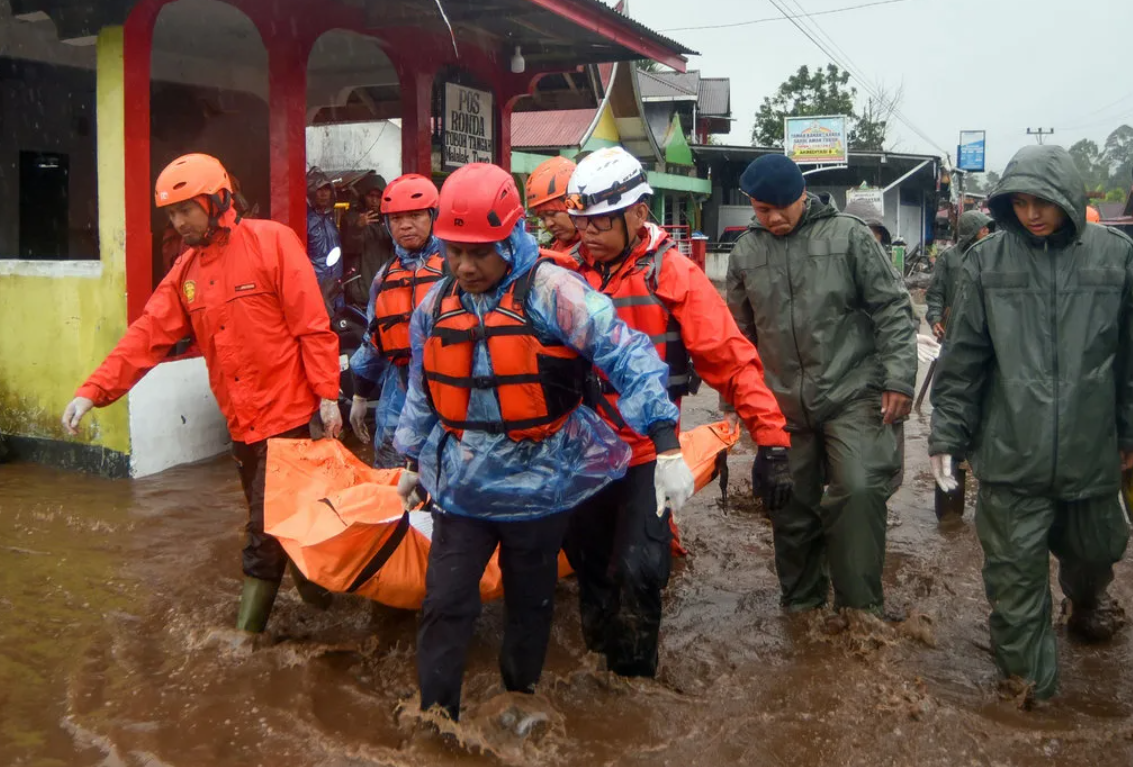
The massive floods that have hit several areas on the island of Sumatra are yet another reminder that Indonesia is a disaster-prone region that requires a swift, measured, and collaborative response. In this situation, the speed with which state institutions take emergency measures will not only determine the success of rescue efforts but also determine how quickly the recovery process can begin. Several strategic government policies in recent days demonstrate the central role of cross-agency coordination in mobilizing personnel, logistics, and restoring communication networks in affected areas.
Deputy Minister of Home Affairs, Bima Arya Sugiarto, emphasized that the President had issued direct instructions for the central government to move quickly to carry out comprehensive coordination. Coordination between ministries/agencies and regional governments is crucial given the many areas that are difficult to access due to disrupted transportation routes. Many areas are isolated due to damaged roads, collapsed bridges, and previously primary land access routes now lost due to the strong floodwaters. Furthermore, electricity and communication lines have been paralyzed in several areas, complicating evacuation and aid distribution.
To address this situation, the Ministry of Home Affairs is taking proactive measures. Bima explained that the Ministry has been in intensive communication with various regional heads in Sumatra to map emergency needs and expedite aid distribution. As an additional measure, the Ministry of Home Affairs has dispatched the Director General of Regional Administration Development to affected locations to ensure that on-the-ground response is proceeding according to central government directives.
Air mobilization is also a crucial part of the rescue operation. Given the severed land routes, the Ministry of Home Affairs is coordinating with the Regional Police and the Indonesian National Police to bring in helicopters to evacuate victims and transport supplies to remote villages. Simultaneously, the ministry is collaborating with the Ministry of Communication and Digital to restore communication channels, including encouraging telecommunications companies to expedite network repairs to ensure smooth coordination on the ground.
Regarding information technology and telecommunications, the Minister of Communication and Digital, Meutya Hafid, explained that her ministry has taken accelerated steps to restore base transceiver stations (BTS) affected by the floods. She revealed that most of the damaged transmitter tower infrastructure is owned by cellular operators, so recovery requires synergy between the government and the private sector. The Ministry of Communication and Digital, Hafid said, has coordinated with operators to expedite the response so that the public and rescue teams can regain stable communication access.
The Ministry of Communication and Information Technology (Komdigi) also provides information on affected locations through its official website so the public can monitor the latest conditions. However, Meutya emphasized the importance of mobile operators’ active role in providing information updates to the public. Transparency of information is considered crucial to help residents anticipate network disruptions, plan their movements, and ensure alternative communication channels remain operational.
Meanwhile, Coordinating Minister for Human Development and Culture, Pratikno, emphasized that the government is currently implementing two simultaneous approaches: accelerating emergency response measures and beginning to develop long-term rehabilitation and reconstruction scenarios. The primary focus in the initial phase is strengthening the rapid response to ensure optimal victim rescue, logistics distribution, and access restoration. However, the government recognizes that disaster management must not stop at the emergency phase. Long-term planning for infrastructure repairs, resident relocation, and risk mitigation must be prepared from the outset to prevent repeated losses in the future.
Pratikno also explained that cross-agency coordination continues to be strengthened, particularly to ensure logistics distribution reaches all affected areas. Opening roads and bridges is a priority because it determines the smooth mobilization of aid. Furthermore, strengthening the field command system is aimed at ensuring all agencies work in harmony without overlapping tasks. This way, strategic decisions can be made quickly and accurately based on the same data.
On that occasion, Pratikno expressed his appreciation to all officers, volunteers, and community members who had worked day and night. He assessed the collective efforts of the Indonesian National Armed Forces (TNI), the Indonesian National Police (Polri), the National Search and Rescue Agency (Basarnas), the National Disaster Mitigation Agency (BNPB), local governments, and volunteers as the spearhead of the most effective rescue efforts. He emphasized that community and government solidarity is a key factor in accelerating disaster management. He hopes this collaboration will continue consistently until the rehabilitation and reconstruction phase is completed.
Looking at the entire series of efforts undertaken, it’s clear that the government is moving quickly and in a coordinated manner to address the flood disaster in Sumatra. Collaboration across sectors, from ministries and security forces to telecommunications companies, demonstrates that national preparedness is increasingly moving toward an integrated and responsive disaster management model. The public can also see that the government’s various instructions and strategic steps are being implemented with a common focus: saving lives and ensuring the fastest possible recovery.
Amidst the significant challenges posed by high rainfall and infrastructure damage, the public needs to place their trust in the cross-sectoral coordination being optimized by the government. With public support, interagency collaboration, and solidarity from all elements of the nation, the recovery process from the Sumatran floods can proceed more quickly, more precisely, and more robustly, leading to long-term recovery.
)* The author is a social observer from Central Java
