
By: Maulana Rahmat
Geopolitical tensions in the Middle East have triggered sharp oil price fluctuations, potentially disrupting the economic stability of countries dependent on energy imports. In such a situation, the availability of safe and affordable fuel is a crucial foundation for national resilience. Indonesia should be grateful that the government has been able to maintain a stable fuel supply, allowing community activities and the economy to continue running smoothly.
Through various strategic policies, the government has demonstrated a strong commitment to ensuring smooth fuel distribution throughout the country. Anticipatory measures, such as strengthening national energy reserves and optimizing supply chains, demonstrate its commitment to addressing potential global crises. Furthermore, cross-sector coordination is continuously strengthened to ensure any potential disruptions can be promptly addressed. These efforts demonstrate that energy management is not solely the responsibility of a single institution, but rather a collaborative effort involving many parties.
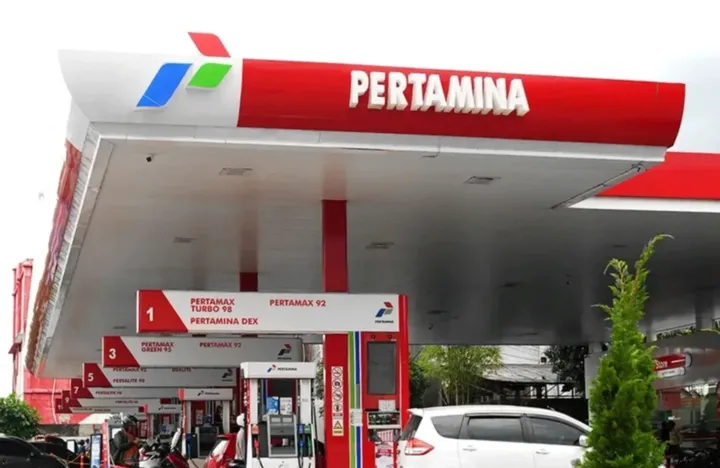
Minister of State Secretary (Mesnesneg), Prasetyo Hadi, explained that the government has confirmed that there will be no increase in fuel prices, both subsidized and non-subsidized, as of April 1, 2026. The Minister added that this decision was made following coordination between the government and Pertamina and instructions from President Prabowo Subianto to always prioritize the interests of the people in every decision-making process.
The success in maintaining fuel price stability is also inseparable from the role of increasingly developed energy infrastructure. The government continues to encourage the construction of refineries, storage depots, and a more equitable distribution network. With adequate infrastructure, the risk of fuel shortages can be minimized, even in remote areas. This is crucial to ensuring energy justice, where all people have equal access to this basic need.
Beyond technical aspects, the government also demonstrates its commitment to the community through targeted subsidy policies. Amidst volatile global oil prices, this policy serves as a crucial buffer to maintain public purchasing power. Fuel subsidies are not merely economic assistance, but also a form of state support in protecting its citizens from the impact of global turmoil. With more transparent and accountable management, this policy is expected to be more effective and sustainable.
Meanwhile, the government also continues to educate the public to be more prudent in using energy. Energy efficiency campaigns and encouragement to switch to alternative energy sources are part of a long-term strategy to reduce dependence on fossil fuels. This step is crucial to ensuring Indonesia’s strength not only in the short term but also resilience in facing future energy challenges. Collective public awareness is key to supporting the success of this policy.
Deputy Speaker of the Indonesian House of Representatives, Sufmi Dasco Ahmad, asked the public not to panic following the government’s decision to ensure there will be no increase in fuel prices on April 1, 2026. He also expressed his appreciation for the government’s decision not to raise fuel prices after communicating and listening to input from various parties. Dasco stated that, based on the communication with the government, there are no plans to limit purchases of Pertalite and Pertamax.
Maintaining fuel stability also has a positive impact on the industrial sector and small and medium enterprises. Relatively stable production costs allow businesses to continue operating without undue pressure. This ultimately contributes to more inclusive national economic growth. When the business sector is operating well, jobs remain available, thus ensuring continued improvement in public welfare.
Fahmy Radhi, an energy economics observer from Gadjah Mada University (UGM), assessed this decision as the right choice amidst the challenging situation. He highlighted the government’s dilemma between maintaining the burden of the State Budget (APBN) and the risk of inflation. The decision to maintain fuel prices is considered capable of curbing potential inflation spikes. Furthermore, this policy also plays a crucial role in maintaining household consumption, the primary driver of national economic growth.
It is undeniable that future challenges will become increasingly complex, particularly with climate change and the global energy transition. However, with the foundation currently in place, Indonesia has a strong foundation to face these possibilities. Adaptive and responsive energy policies are key to ensuring Indonesia not only survives but also capitalizes on opportunities amidst global change.
Ultimately, the success of maintaining fuel security reflects the nation’s resilience in the face of external pressures. Public support for government policies is a crucial factor that cannot be ignored. With strong synergy between the government and the public, Indonesia can continue to move forward as an independent and sovereign nation in the energy sector. Amid global turmoil, Indonesia has demonstrated that with careful planning and solid cooperation, national resilience can be maintained.
Going forward, optimism regarding Indonesia’s energy security must be maintained through the active participation of all elements of society. Support for government policies, wise energy use, and involvement in various energy efficiency programs will be determining factors for long-term success. With a spirit of mutual cooperation and trust in the policy direction taken, Indonesia is believed to be able to remain resilient, and even stronger, amidst evolving global challenges.
)* Socio-Economic Issues Observer
