
By: Herfi Afanti )*
Democracy is truly a space where every citizen can express their views, aspirations, and criticism without fear or pressure. In the Indonesian context, democracy is not merely a political procedure, but also a value of living together that upholds human dignity. Scholars and academics emphasize that democracy should not be tainted by violent practices, intimidation, or anarchic actions that actually harm the essence of freedom of expression. In other words, a healthy democracy can only stand strong if it is implemented peacefully, inclusively, and based on national ethics.
Islamic scholars view nonviolent democracy as a reflection of noble morals and in line with religious principles that prioritize peace. Violence in any form, whether physical or verbal, only widens the divide within society. Conversely, deliberation, open dialogue, and mutual respect are the most noble paths to strengthening Indonesian democracy. In their view, prioritizing violence not only harms democracy but also tarnishes the humanitarian values taught by religion. Therefore, every individual is reminded to act as a guardian of harmony, not a provocateur of unrest.
The General Chairman of the Muhammadiyah Central Executive Board (PP), Haedar Nashir, emphasized the importance of maintaining national unity within the framework of Indonesian democracy. Islamic organizations have a long history in the struggle for independence and post-independence, and therefore must play a role in safeguarding the nation’s future. Furthermore, Haedar stated that democracy in Indonesia must be implemented responsibly without falling into actions that could potentially divide the nation.
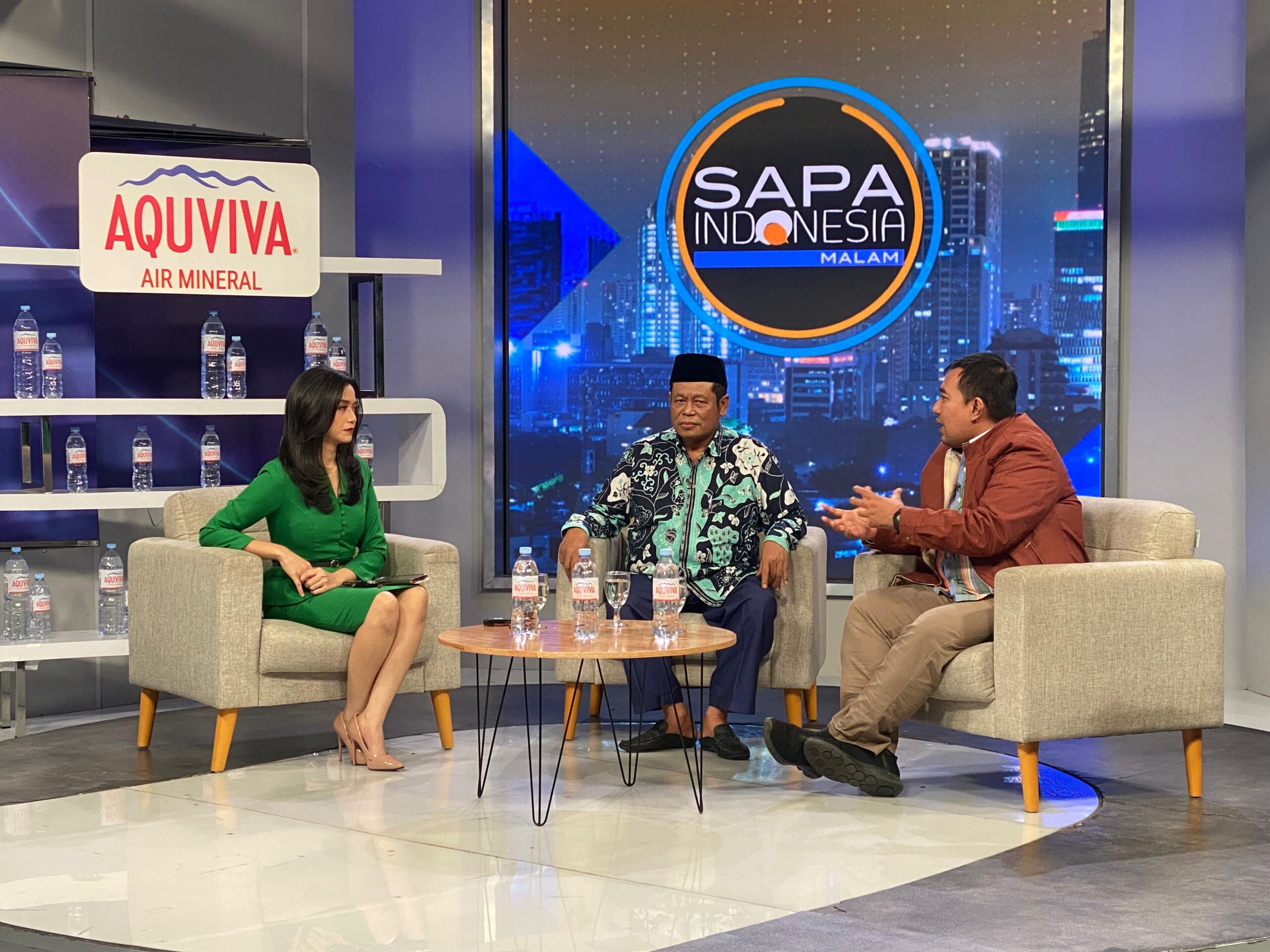
Meanwhile, University of Indonesia political observer Aditya Perdana explained that freedom of expression is a constitutional right. However, this right must be exercised in an orderly manner. He emphasized that nonviolent democracy is also closely related to the quality of public political education. When citizens have a good understanding of political rights and obligations, they will be wiser in expressing their aspirations. Violence often arises from a lack of political literacy and provocations that exploit public emotions. The academic also emphasized that modern democracy is no longer measured by the number of demonstrations or the loudness of criticism, but by the quality of dialogue, data-based arguments, and collaborative solutions. In this way, democracy will function as an enlightening, not destructive, space.
He also urged the public not to be easily provoked by unverified rumors, as provocation could lead to destructive demonstrations. Aditnya also expressed his appreciation for the steps taken by President Prabowo’s administration to restore public order and prevent further material losses and loss of life.
Similarly, Deputy Chairman of the Indonesian Ulema Council (MUI), Marsudi Syuhud, explained that Indonesia has established itself as an open democracy that guarantees the people’s freedom to express their aspirations, including through demonstrations. He assessed that the government, particularly the President, has demonstrated wisdom by accepting input from various groups and committing to follow up through official mechanisms within the House of Representatives (DPR).
Marsudi also emphasized the importance of public discretion in responding to any information circulating in the public sphere. According to her, freedom of opinion and expression must be balanced with a critical attitude toward news that may not be true, to avoid falling prey to hoaxes or provocations that could undermine national unity.
Scholars and academics all agree that the government has a significant responsibility to ensure a peaceful democracy. State officials must prioritize a persuasive approach over repression, so that every public aspiration can be expressed peacefully. Furthermore, the public is also urged to comply with applicable laws to prevent abuse of freedom of expression. Synergy between the people, academics, religious scholars, and the government is a crucial foundation for keeping democracy on track. This is a form of political mutual cooperation unique to Indonesia, where all parties are involved in maintaining justice and harmony.
True democracy without violence can only be realized if all parties commit to self-restraint, prioritize dialogue, and enforce the law fairly. Islamic scholars urge religious communities to use the values of compassion and brotherhood as guidelines in politics, while academics encourage the public to be more critical yet rational. The government, authorities, media, and all elements of the nation are required to work together to maintain a healthy and productive democratic space. In this way, Indonesian democracy will not simply be a procedural symbol, but its benefits will truly be felt by all citizens in a peaceful and civilized manner.
)* The author is an observer of social issues.
