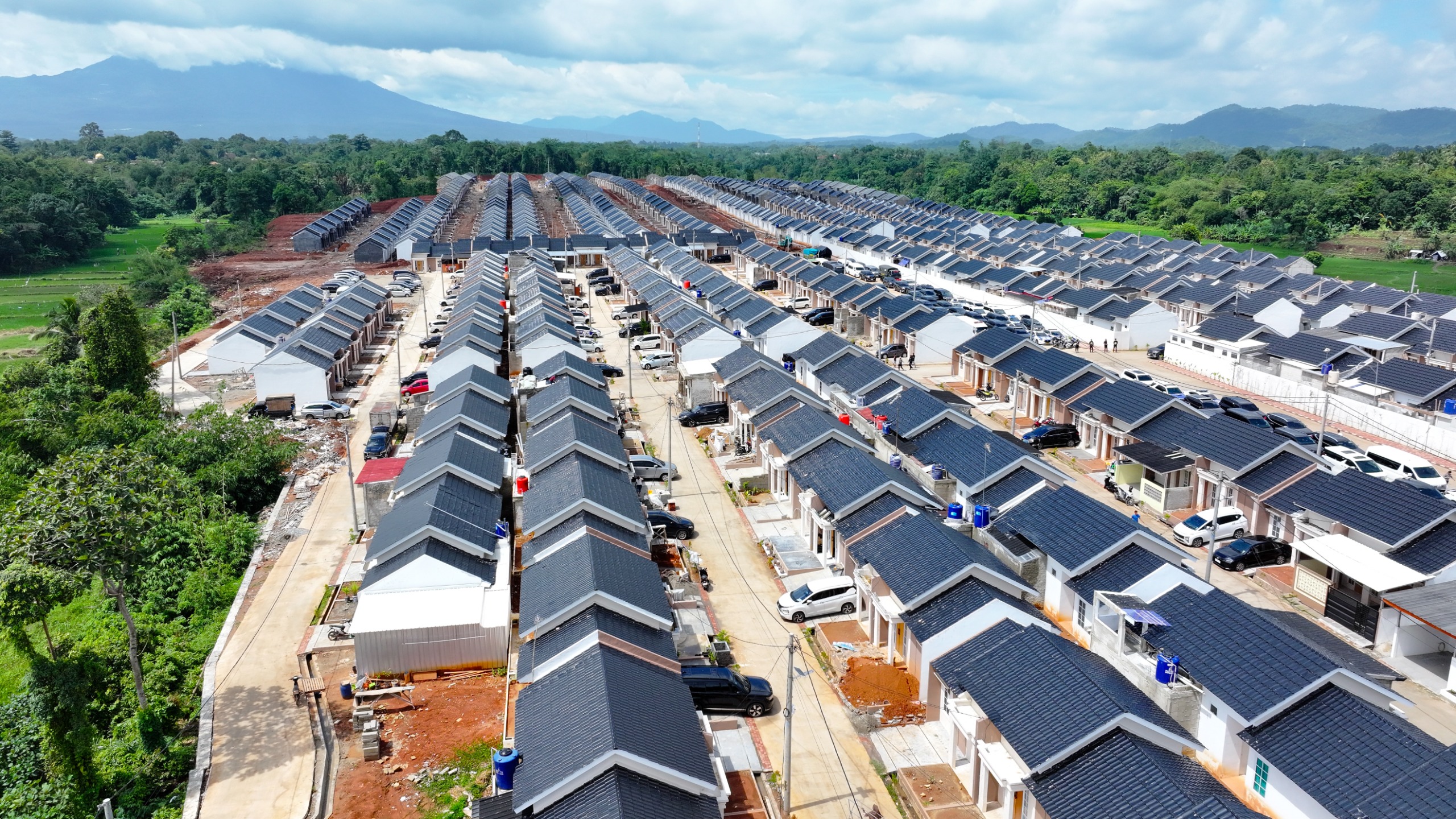
Supporting the Government’s Synergistic Steps in Building Permanent Housing for Disaster Victims

By: Syamsul Huda )*
The construction of permanent housing for disaster victims is an important indicator of the state’s presence in guaranteeing the basic rights of affected residents. The floods and landslides in Sumatra left not only physical damage but also social wounds that require ongoing recovery. In this context, synergistic action by the central and regional governments is crucial to prevent fragmentation of the rehabilitation process. An integrated approach ensures that recovery does not stop with emergency assistance but continues until communities return to a decent life. The policy on the construction of permanent housing reflects the government’s focus on long-term, equitable solutions.
The government’s commitment is evident in the statement from the Ministry of Housing and Settlements. A total of 2,603 housing units are ready for initial construction as part of an integrated post-disaster recovery program. This policy demonstrates administrative courage and political decisiveness in accelerating recovery. The government is not waiting for all procedures to be completed before taking action, but is ensuring proper governance and accountability. This step marks a paradigm shift in disaster management toward a more responsive approach.
Cross-sector synergy is the main foundation for the success of the permanent housing development. The involvement of ministries and institutions, including PLN (State Electricity Company) and BNPB (National Disaster Management Agency), ensures the availability of basic infrastructure from the outset. The provision of electricity, clean water access, and continued disaster management support must run parallel to the physical construction of the housing. Furthermore, local governments play a crucial role in land provision and land certificate issuance. With solid coordination, classic post-disaster obstacles can be significantly minimized.
Meanwhile, the North Aceh Regency Government has ensured that land verification is being carried out meticulously to ensure the legality and sustainability of permanent housing. A total of 104 housing units are planned for immediate construction on available land. Collaboration with the central government has accelerated the planning and funding process. This approach demonstrates that decentralization does not diminish effectiveness but rather strengthens the implementation of national policies at the local level.
Land verification is strategic in preventing future legal issues. Many post-disaster programs are hampered by unclear land status, ultimately harming victims. By ensuring legal aspects from the outset, local governments provide certainty to beneficiaries. Furthermore, land clarity allows development to be carried out in accordance with technical and spatial planning standards. This practice deserves recognition as a form of responsible and sustainability-oriented governance.
Not only the civil government, but security institutions also played an active role in post-disaster recovery. The Indonesian National Police (Polri) took the initiative to build permanent housing for flood victims in Aceh Tamiang. Construction took place on PTPN I plantation land in Simpang Kanan Village, Kejuruan Muda District. The involvement of the Polri emphasized that disaster management is a collective responsibility of all elements of the state. The presence of this institution strengthens the public’s sense of security and trust in the state.
Accelerating development is crucial, even though some administrative documents are still being processed. The emphasis on land preparation and measurable logistical planning reflects a pragmatic approach without neglecting governance principles. This step aims to minimize bureaucratic obstacles that often slow recovery. In emergency situations, policy flexibility is key while remaining within the legal framework. This approach demonstrates a balance between speed and accountability.
The development of permanent housing is not just about building homes; it also rebuilds the dignity and hope of affected communities. Adequate housing allows residents to return to productivity, children to school, and the local economy to thrive. Therefore, the quality of construction must be a primary concern, including aspects of safety, health, and accessibility. The government needs to ensure that disaster-resistant building standards are consistently implemented. This way, permanent housing can truly become a long-term solution, not just a temporary response.
The success of this program also depends on community participation and transparency in implementation. Involving citizens in the planning and monitoring process can foster a sense of ownership and prevent potential irregularities. Furthermore, open public communication will strengthen trust in the government. When the public understands the development stages and targets, public support will strengthen. Synergy between the state and citizens provides invaluable social capital in post-disaster recovery.
Community support is crucial for optimal construction of permanent housing for flood and landslide victims in Sumatra. The public is expected to continue monitoring, supporting, and actively participating in every stage of the recovery process. The government has demonstrated strong commitment and cross-sector synergy; now is the time for the public to strengthen this commitment with trust and collaboration. With collective support, permanent housing will become not just a physical structure, but a symbol of national revival and solidarity. This collective effort will ensure a just, rapid, and sustainable recovery.
)* The author is a Public Policy Observer.
