Synergy between Central and Regional Governments in Maximum Protection for Indonesian Migrant Workers

By: Ricky Rinaldi )*
The Indonesian government remains committed to providing maximum protection for Indonesian Migrant Workers (PMI) through close cooperation between the central and regional governments. This synergy is a strategic effort to ensure safe, legal labor migration, and freedom from human trafficking practices. Government policies are directed at providing legal guarantees, increasing supervision of labor migration flows, and creating a system that is more responsive to the needs of migrant workers.
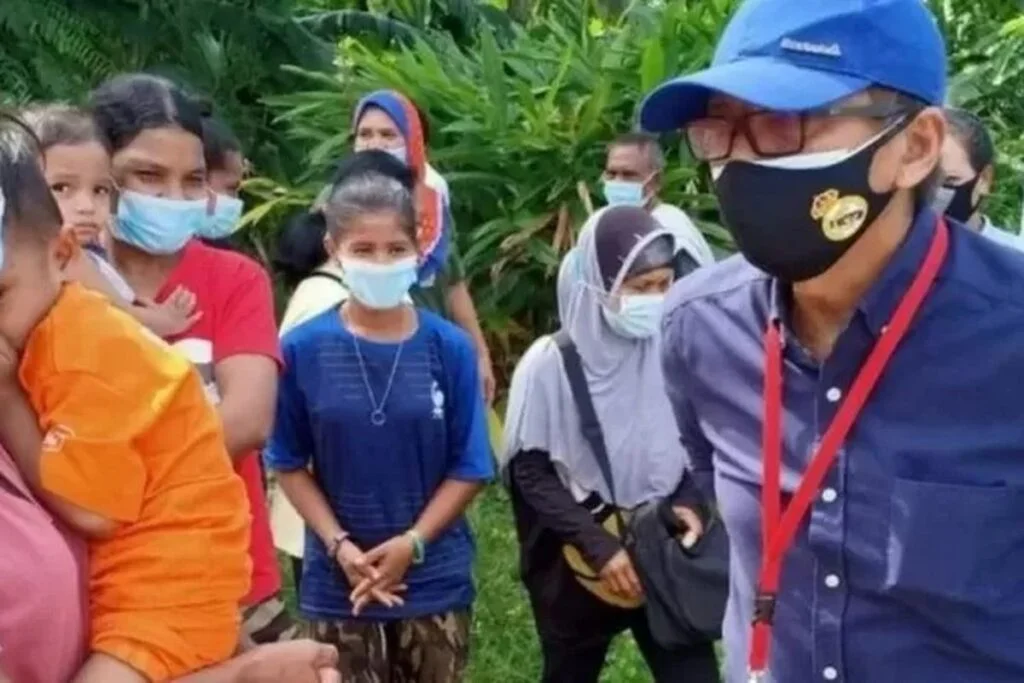
In an event held in Palu, Central Sulawesi, the Minister of Protection of Indonesian Migrant Workers, Abdul Kadir Karding attended an important discussion that strengthened the governance of labor migration and prevention measures for Human Trafficking (TPPO). One of the concrete steps taken was the signing of a Memorandum of Understanding with the Central Sulawesi Provincial Government which aims to strengthen the protection of migrant workers from the pre-placement stage to their return to their homeland. With this agreement, the regional government is increasingly active in providing assistance to prospective migrant workers so that they can work abroad through official channels and receive guarantees for their rights.
The government’s commitment to preventing the illegal sending of migrant workers is also strengthened through the Declaration on the Prevention of Illegal Indonesian Migrant Workers and Anti-TPPO. This declaration is part of the national strategy to eradicate labor exploitation practices that often lead to human trafficking. The central and regional governments work together to disseminate education to the public so that prospective migrant workers understand legal procedures and are not easily trapped by offers from brokers who often promise a fast but risky process.
Abdul Kadir Karding emphasized that synergy between the government and companies is a major factor in improving the welfare of migrant workers. In the 2025 Aspataki Award event, he expressed his appreciation to various parties who have contributed to supporting migrant workers and encouraged companies to continue to improve in ensuring the protection of migrant workers.
The General Chairperson of DPP Aspataki, Saiful Mashud, also highlighted the importance of corporate involvement in providing welfare guarantees for migrant workers. He emphasized that cooperation between the government and the business world must continue to be strengthened so that migrant workers receive better protection and access to wider employment opportunities. According to him, with support from the private sector, migrant workers can work more safely and obtain rights in accordance with international labor standards.
Not stopping at agreements and declarations, the government also improves service infrastructure for migrant workers. One of the innovative steps taken is the establishment of migrant worker service centers in various regions, to ensure that every PMI has access to information, legal assistance, and health insurance while working abroad. In addition, local governments actively coordinate with the destination countries of migrant workers to ensure that Indonesian workers receive optimal protection.
In addition, the digitalization of the labor migration system is also a government priority in overcoming various challenges faced by migrant workers. By utilizing technology, the government can more easily monitor the flow of labor migration, ensure the validity of worker documents, and minimize illegal brokering practices that have been detrimental to migrant workers. This program is believed to bring about major changes in increasing transparency and efficiency of migrant worker protection.
Protection of Indonesian Migrant Workers is a shared responsibility of the central and regional governments. With a structured labor migration system and close cooperation, it is hoped that PMI can work with guaranteed security and protected rights. The Declaration on the Prevention of Illegal Migrant Workers and Anti-TPPO is a real step in ensuring that no more Indonesian citizens become victims of human trafficking or work without legal protection.
The government also continues to strive to raise public awareness about the importance of legal channels in seeking work abroad. With the theme of the national movement “Dreaming Big, Moving Legally”, the government invites prospective migrant workers to choose legal channels so that they get maximum protection and can work in peace.
As part of the long-term strategy, the government is also strengthening diplomacy with migrant worker destination countries to ensure that migrant worker rights are respected and protected. Through bilateral cooperation agreements, the government is seeking to optimize the monitoring system and improve labor protection standards. This step aims to provide greater assurance for migrant workers in facing various challenges in the countries where they work.
In addition, the government continues to encourage the involvement of migrant worker communities and organizations in efforts to protect workers. Active participation from various parties in supporting PMI protection policies will further strengthen the existing system and ensure that migrant workers obtain their full rights. With continued cooperation, Indonesia can become a country that is able to provide the best protection for its migrant workers, while ensuring that their contribution to national economic development remains optimal.
)* Strategic Issue Observer
