
By: Farrel Wirawan )*
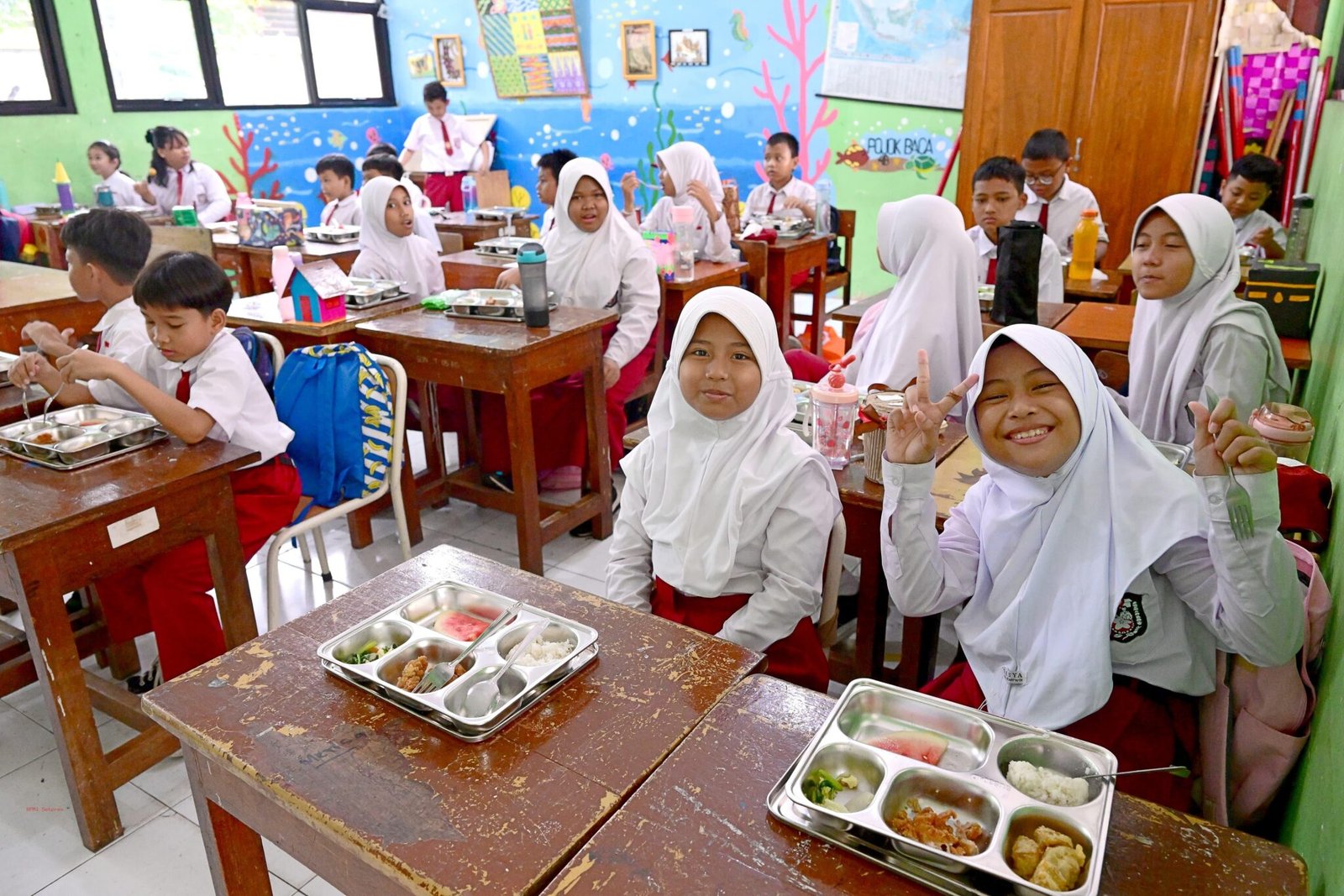
The Free Nutritious Meals (MBG) Program is a significant government initiative to create a healthy, intelligent, and competitive generation in Indonesia. Its presence extends beyond providing school meals, but rather a comprehensive strategy encompassing health, education, and the community’s economy.
With support from various parties, from the Indonesian House of Representatives (DPR RI), the National Nutrition Agency (BGN), to community leaders, this program is increasingly gaining attention as a major investment for the nation towards Golden Indonesia 2045.
During a socialization event for the MBG program, Obon Traboni, Deputy Chairman of Commission IX of the Indonesian House of Representatives (DPR RI), emphasized that nutrition should be viewed more broadly than simply meeting daily food needs. He views nutrition as part of developing a healthy lifestyle that must be instilled from an early age.
According to Obon, the government, through the MBG, is striving to foster a mindset among the younger generation regarding the importance of consuming nutritious food, ensuring it becomes a sustainable habit. He also emphasized that adequate nutrition from childhood is a key foundation for the physical quality, intelligence, and resilience of future generations.
In line with this, the representative of the Directorate of Nutrition Promotion and Education of BGN, Rieska Fajarmawati, explained that the goal of MBG is not only to focus on providing nutritious food, but also to increase public knowledge about the importance of a balanced diet.
Rieska sees this program as aimed at fostering long-term healthy habits, so that people not only receive nutritional intake but also understand healthier lifestyles. The government, through an educational approach, wants to ensure that the program’s benefits will continue and become part of the community’s daily culture.
From another perspective, advocate Arif Rahman views MBG as a multidimensional program capable of reaching the health, education, and economic sectors. He views MBG’s presence not only as ensuring children receive nutritious food but also as an instrument for local economic empowerment.
Through the involvement of MSMEs, farmers, fishermen, and other small business owners, this program creates an economic chain that extends from villages to cities. He believes that the MBG program has proven to be a concrete example of how government policies can deliver dual benefits: improving the quality of the next generation while strengthening the people’s economy.
The implementation of the MBG program has shown encouraging results. Tens of millions of beneficiaries from various groups, from school students to pregnant and breastfeeding mothers, have directly benefited from the program. The government has also established Nutrition Fulfillment Service Centers (SPPG) kitchens in various regions to provide nutritious food.
The establishment of the SPPG emphasizes that nutrition distribution is not limited to urban communities but also reaches remote areas. The existence of these kitchens also symbolizes the government’s fairness in ensuring that every citizen has an equal right to balanced nutrition.
In addition to improving public health, MBG also contributes significantly to education. Adequate nutrition allows children to focus better on their studies, increases school attendance, and positively impacts academic achievement.
Thus, the MBG program not only addresses malnutrition but also strengthens efforts to improve the quality of national education. The government believes that healthy and intelligent children will be a key asset in facing future global challenges.
From a social perspective, MBG also strengthens the spirit of mutual cooperation within the community. The involvement of local communities in managing kitchens, providing food supplies, and distributing food rekindles the value of togetherness.
This local community involvement aligns with the government’s desire to make this program a national movement, not just an administrative policy. Collaboration between the central and regional governments, schools, families, and communities is key to MBG’s success, ensuring its consistent and sustainable implementation.
The government recognizes that challenges remain, such as limited infrastructure in some areas and technical constraints in distribution. However, all public feedback is used as evaluation material to improve implementation on the ground. With this responsive approach, the government ensures that the MBG continues to be refined to optimize its benefits.
The success of MBG to date demonstrates that the program is a long-term investment that has a real impact on the nation. Children who receive nutritious food from an early age grow up healthier and more productive. At the same time, the local economy is more dynamic because the program involves many business actors at the community level.
With support from the House of Representatives (DPR), the National National Development Planning Agency (BGN), and community elements, the Free Nutritious Meal Program is a concrete manifestation of the state’s commitment to fulfilling the basic rights of its citizens. Its presence brings new hope, not only for the health of Indonesian children, but also for a brighter future for the nation. The government believes that through this program, the goal of realizing the golden generation of 2045 is not just a dream, but a reality that is being built step by step.
)* Public Policy Observer
