The Government Confirms Increased Self-Help Housing Stimulus Assistance to Strengthen the Subsidized Housing Program

By: Sari Ametrina )*
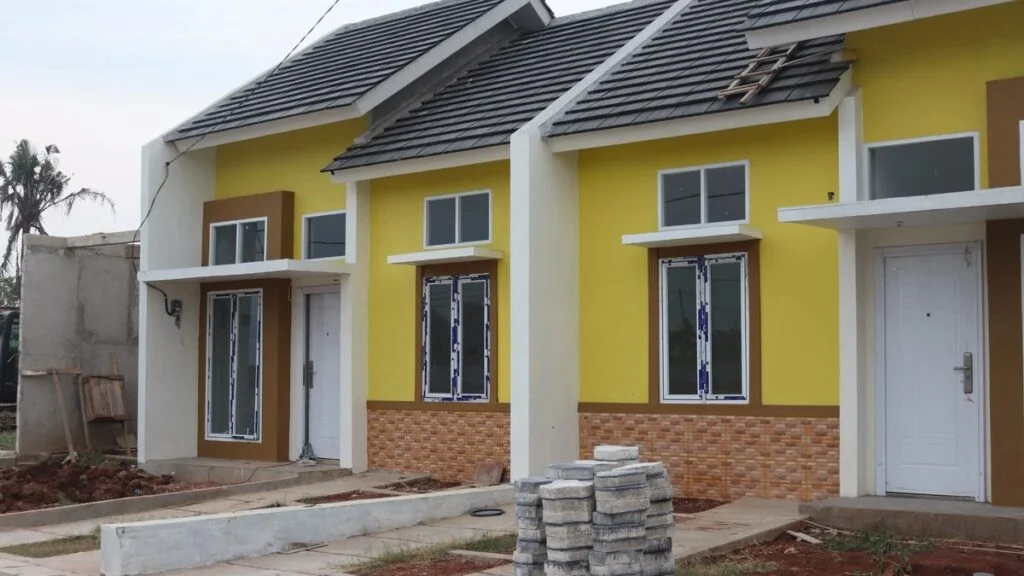
The government’s commitment to ensuring adequate housing for low-income communities has been further strengthened through the addition of the Self-Help Housing Stimulus Assistance (BSPS). This measure not only affirms the direction of national policy under President Prabowo Subianto’s administration to achieve the target of building 3 million homes, but also demonstrates a real commitment to vulnerable communities still living in uninhabitable homes. The subsidized housing program, strengthened by the BSPS allocation, is a crucial part of the strategy to expand access to safe, healthy, and affordable housing in various regions.
During several working visits and statements from relevant figures, it was clear that the central government continues to make comprehensive efforts to ensure the effectiveness of every housing program at the regional level. The Head of the Serang City Housing and Settlement Agency (DPKP), Nofriady Eka Putra, confirmed that the region would receive the BSPS (Small Housing and Settlement Assistance) for 2026, with a total target of 1,600 uninhabitable housing units. Nofriady explained that this figure was the result of consolidating regional proposals, which were then verified by the central government.
The BSPS program, targeting 1,600 units in Serang City, has a budget of approximately IDR 32 billion, with an average material requirement of nearly IDR 20 million per unit. The central government’s distribution approach, using building materials rather than cash, again reflects the careful targeting and effective use of aid. The even distribution of recipients across all sub-districts also reinforces the hope that improving housing quality will have a broad social impact, not limited to a specific area. Nofriady’s statement reflects the belief that this program is not simply assistance, but a strategic intervention that will raise the standard of living of the Serang community as a whole.
On the other hand, a similar dynamic is unfolding in Tabanan Regency, Bali. The regency government recently hosted a working visit from the Ministry of Housing and Settlement, represented by the Director General of Housing and Urban Development, Sri Haryati. As part of the event, the ministry handed over BSPS (Subsidy Social Security Assistance) assistance and also reviewed the implementation of the subsidized housing program in the field. From Sri Haryati’s perspective, it is clear that the central government is currently paying increasing attention to directly mapping housing issues in the regions. This is done to ensure that every program, including subsidized housing, is truly effective and can be optimized by the community.
Sri Haryati also expressed her view that President Prabowo’s 3 million housing development program is not merely a numerical target, but rather a national development strategy with a ripple effect on public welfare. The central government believes that access to adequate housing plays a significant role in creating social stability, increasing family productivity, and supporting regional economic growth. Therefore, the BSPS is seen as a crucial effort to strengthen the foundation of subsidized housing programs in various regions.
This commitment has also received appreciation from the local government. The Deputy Regent of Tabanan, I Made Dirga, assessed that the central government’s support through various housing assistance programs has had a real impact on improving the quality of life of the local community. In the past three years, Tabanan Regency has successfully built around 1,000 housing units through collaboration with developers, for both subsidized and non-subsidized housing. Dirga views the additional 31 units of BSPS received by his region as not merely technical assistance, but rather evidence of the continued collaboration between the central and regional governments in supporting President Prabowo’s major Asta Cita program of providing public housing.
Furthermore, the ministry’s direct presence in various regions is a crucial indicator of the Prabowo administration’s approach, which prioritizes factual problem mapping. By directly observing conditions on the ground, the central government can ensure that the subsidized housing and BSPS programs are not merely administrative but truly address community needs. This also opens up greater collaboration between the central and regional governments, banks, and developers, including maximizing financing schemes like the FLPP (Finance Program for the Poor).
With more regions receiving the BSPS (Subsidy for Housing), including Serang and Tabanan, it is clear that the government is focusing significant attention on addressing housing issues as part of human development. Adequate housing is considered a crucial foundation for reducing poverty, improving family health, and strengthening the competitiveness of low-income communities. By increasing incentive assistance and strengthening synergies with local governments, the government is ensuring that the subsidized housing program and improving housing quality are not just agenda items, but a national movement for equitable prosperity.
The central government’s commitment to increasing the BSPS allocation, expanding the reach of subsidized housing, and strengthening inter-agency collaboration demonstrates that the housing development agenda is on the right track. This step provides hope for millions of Indonesian families who have been waiting for more decent, safer, and more humane housing. With continued support, the BSPS program is expected to continue to develop into a strategic instrument in ensuring that every citizen has access to housing that meets adequate standards, while also serving as a catalyst for achieving the ambitious national housing development targets.
)* The author is a social and community observer
