The Government Invites All Parties to Work Together to Increase the Success of the MBG Program

By: Nofer Syaputra)*
The Free Nutritious Meals (MBG) Program continues to be one of the government’s strategic priorities in improving the nutritional quality of the community, particularly school children, pregnant women, toddlers, and other vulnerable groups. The government emphasizes that the program’s success can only be achieved through collaborative work involving the central government, local governments, international partners, and grassroots communities. In various coordination and evaluation agendas at the regional level, it is clear that multi-stakeholder synergy is the main foundation for ensuring the effective, equitable, and sustainable implementation of the MBG.
In the Riau Islands Province, the regional government’s commitment is strongly evident through a coordination forum between the National Nutrition Agency (BGN) and the Riau Islands Provincial Government. The Deputy Governor of the Riau Islands, Nyanyang Haris Pratamura, emphasized that optimizing the MBG program requires alignment between the central and regional governments, including in mapping achievements, addressing technical obstacles, and developing follow-up strategies. The community, especially students, who are the primary beneficiaries, must truly feel the program’s presence. With the establishment of more than one hundred MBG kitchens across the Riau Islands, serving hundreds of thousands of schoolchildren, the provincial government ensures that the distribution of nutritious food is carried out in a measured and targeted manner.
Meanwhile, the National Non-Governmental Organization (BGN), as the national authority, continues to strengthen the quality of MBG services. Dadang Hedrayudha, Deputy for Monitoring and Supervision at BGN, assessed that the success of MBG depends heavily on compliance by all implementers with operational standards, from kitchen cleanliness and raw material quality to food processing and distribution. He emphasized the importance of continuous monitoring and integrated supervision with local governments, the Indonesian National Armed Forces (TNI), and the Indonesian National Police (Polri). This multi-layered oversight approach is intended to prevent technical violations that could endanger the health of beneficiaries. For BGN, compliance is not merely an administrative matter, but directly related to child safety and the quality of future generations.
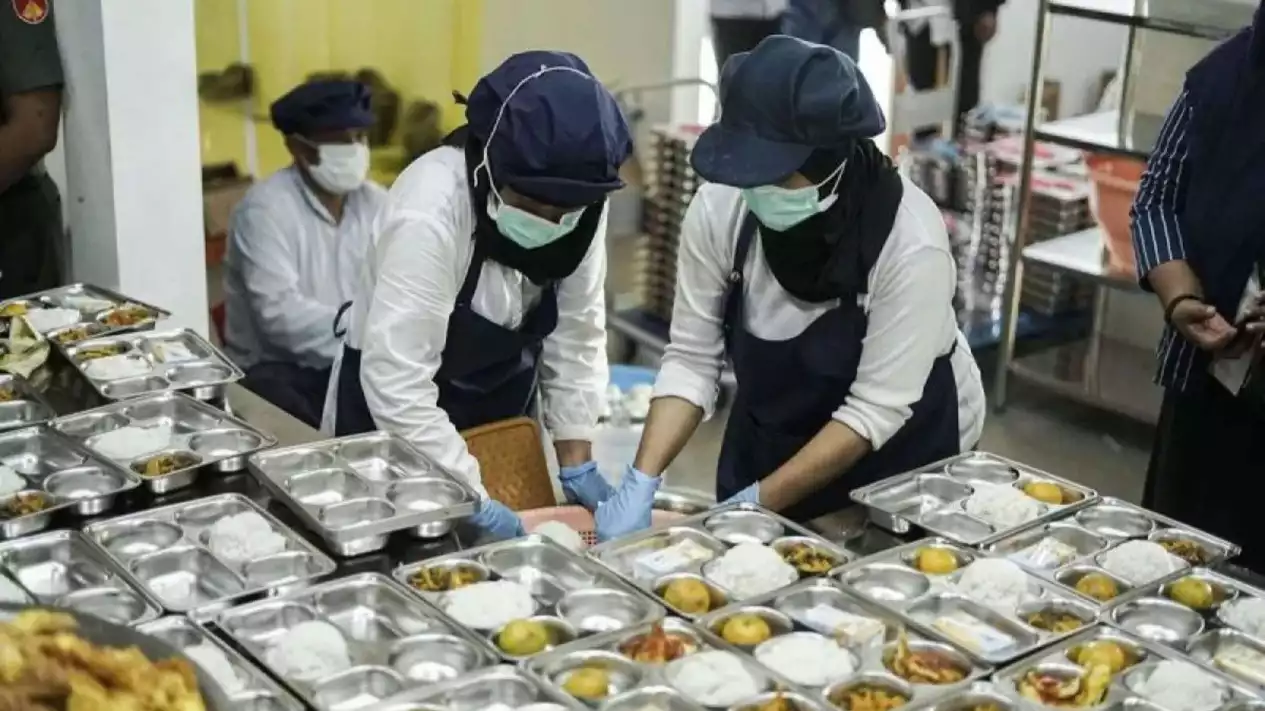
Efforts to improve MBG standards are not only carried out through supervision, but also by strengthening the capacity of field officers. In Biak Numfor Regency, BGN collaborated with UNICEF to provide training to food handlers. Expert Staff 1 to the Regent of Biak Numfor, Fransisco Olla, assessed that food handlers play a strategic role in maintaining the quality of MBG food. According to him, officers must understand the principles of hygiene and food safety, and be able to assess the nutritional adequacy of each menu item prepared. Healthy, skilled, and certified officers can prevent the risk of illness or food poisoning that could potentially disrupt the program’s sustainability.
UNICEF Indonesia Representative Dwi Kristanto expressed his organization’s support through technical training aimed at the kitchens of the Nutrition Fulfillment Service Units (SPPG). He stated that this capacity building is crucial to ensure that every stage of food preparation meets international food safety standards. UNICEF’s presence demonstrates the international community’s strong commitment to Indonesia’s efforts to improve children’s nutritional status through a systematic, programmatic approach.
Meanwhile, in Pati Regency, Central Java, the local government demonstrated strong synergy between field supervision and local economic empowerment. Pati Deputy Regent Risma Ardhi Chandra conducted a direct inspection of the SPPG kitchen and schools to ensure the smooth running of the food distribution process. Daily monitoring is essential to ensure the program continues to meet service standards. She found that most of the challenges stemmed from administrative issues, such as document completeness and staff certification, requiring swift and coordinated resolution.
The MBG program not only benefits nutrition but also stimulates the community’s economy. With all food purchases made through local markets and prioritizing superior commodities like shrimp and milkfish, this program directly stimulates grassroots economic growth. There is significant potential for synergy between the MBG and the Red and White Village Cooperative (KDMP), which is designed to strengthen the food supply chain and ensure that raw materials are efficiently sourced from the village. Furthermore, the planned creation of a complaint portal at the village and sub-district levels is expected to strengthen transparency and expedite field follow-up.
During the implementation phase, security personnel such as Bhabinkamtibmas (Community Police) and the Military District Command (Kodim) contributed through field supervision and assistance. This collaboration ensured smooth food distribution and promptly resolved any issues. To date, dozens of MBG kitchens in Pati have been operating and have been shown to increase student attendance, as nutritious food helps students stay healthier and more prepared for learning.
Through a series of collaborative efforts across various regions, it is clear that the MBG program has evolved into a large-scale movement involving many parties with interrelated responsibilities. The government is calling on all elements of the nation to continue strengthening synergies and ensuring that every aspect of the program meets standards. With the support of regional governments, international institutions, local economic actors, and the community, MBG has the potential to be a catalyst in producing a healthier, smarter, and more prepared young generation that is better prepared to contribute to Indonesia’s future. This program is not simply about providing food, but rather a long-term investment to improve the quality of human resources and strengthen the foundation of national development.
)* The author is a social observer
