

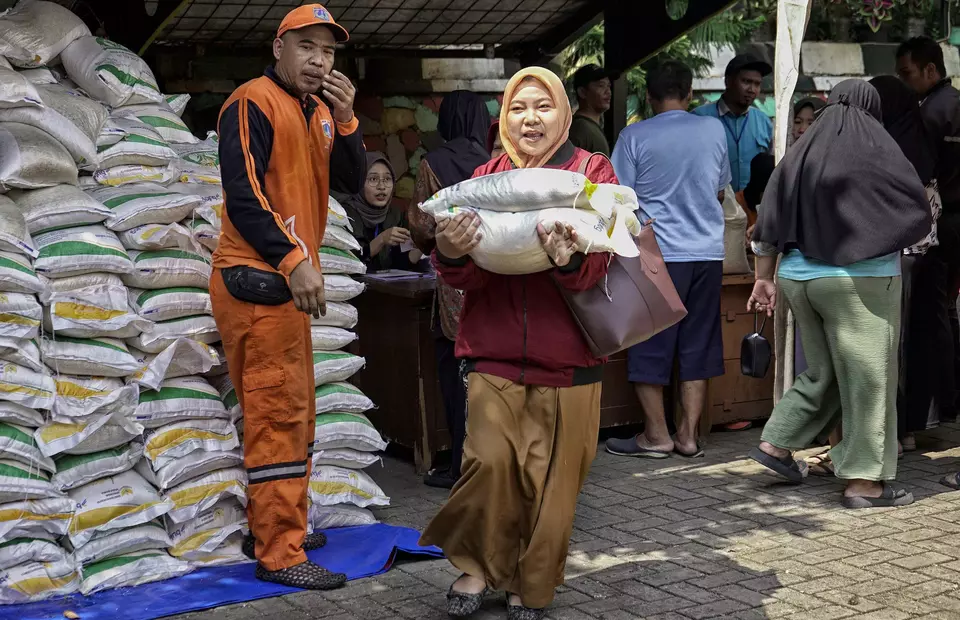
JAKARTA – The government is preparing a technology-based digital tracking system to crack down on the recent resurgence of low-quality rice adulteration, particularly in the case of the distribution of subsidized rice under the Food Supply and Price Stabilization (SPHP) program and counterfeit premium rice in Riau Province.
The latest case uncovered by the Riau Regional Police shows the perpetrators used two methods: mixing medium-grade rice with rejected rice and repackaging cheap rice in premium-branded sacks. This practice not only deceives consumers but also harms the state and farmers.
“This isn’t just a trade scam, but a crime that harms our children who need nutritious food. The government has provided subsidies, but they are being misused,” said Riau Police Chief Inspector General Herry Heryawan.
Responding to this, Niti Emiliana, Chairwoman of the Indonesian Consumers Foundation (YLKI), emphasized that this incident constitutes a serious violation of consumer rights. She urged the government to conduct a thorough investigation, from start to finish, and to take firm, impartial action against the perpetrators.
“This adulteration is a form of fraud and misuse of state funds. It violates consumers’ fundamental right to adequate food. Furthermore, transparency regarding the results of the investigation is also a key public demand,” said Niti.
In the long-term, the government is encouraged to develop a technology-based tracking system to ensure accountability in the rice distribution chain. Eliza Mardian, a researcher at the Center of Reform on Economics (CORE) Indonesia, suggests using digital systems such as blockchain.
“Technology can monitor distribution from farmers to consumers, preventing manipulation and facilitating oversight,” Eliza said.
In addition to strengthening oversight, Eliza also emphasized the importance of cross-ministerial harmonization, strengthening labeling regulations, certification of premium rice producers, and eliminating the Highest Retail Price (HET) for premium rice targeting the upper class.
An observer from the Indonesian Political Economy Association (AEPI), Khudori, called the practice of mixing data a serious form of falsification.
“This isn’t just embezzlement; it’s forgery. Firm action must be taken to maintain trust in the SPHP program,” Khudori said.
The government is now considering distributing SPHP rice directly to the community through a mobile market scheme based on poverty data and village cooperatives, to prevent leakage by distributors.
This case highlights the importance of improving the national food monitoring system. With an integrated digital tracking system and firm law enforcement, it is hoped that the practice of adulterated rice will no longer pose a threat to the people and the nation.
