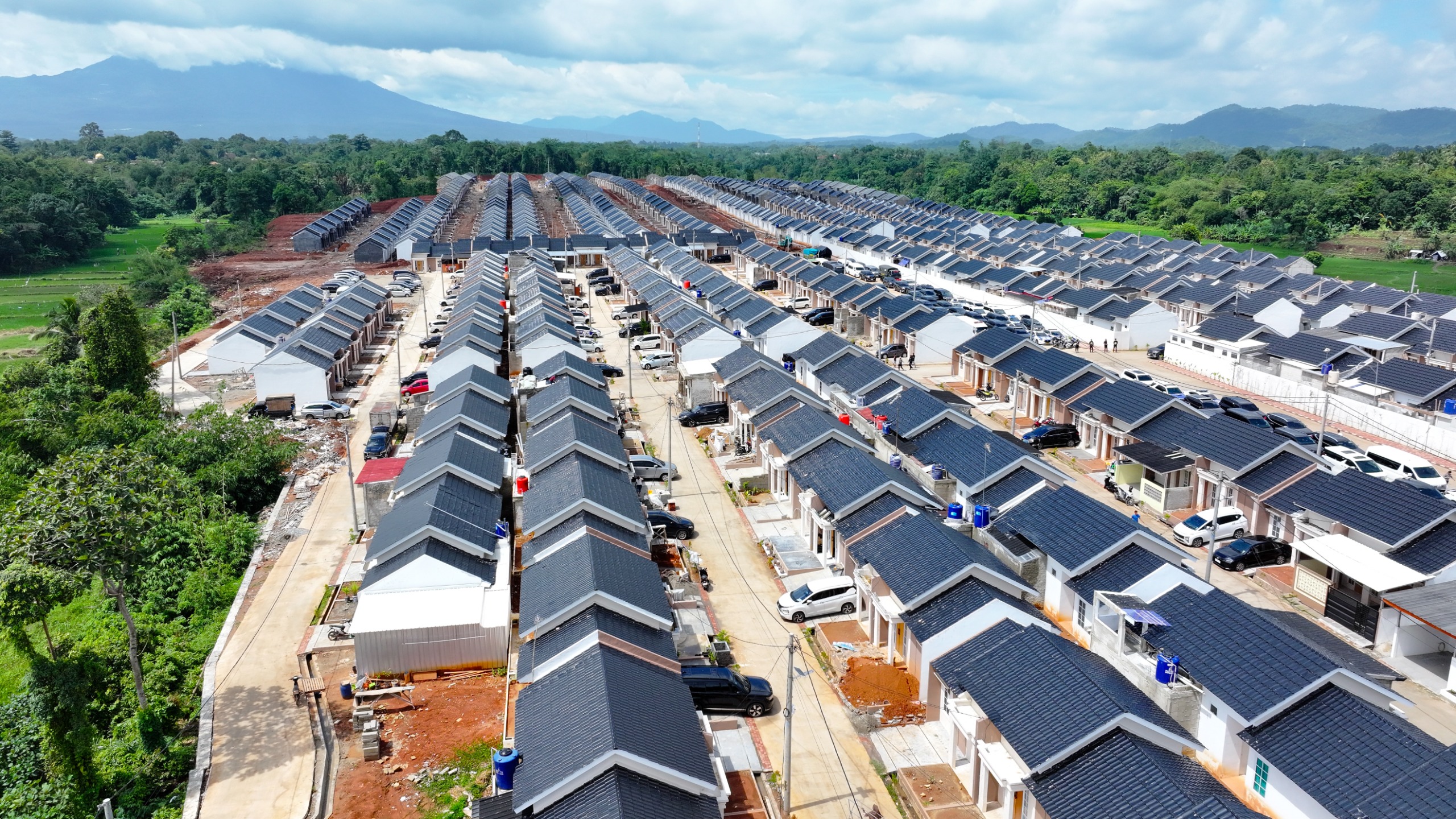

Jakarta – The government, through the Ministry of Housing and Settlements (PKP), is preparing 197 permanent housing development sites for disaster-affected communities in Sumatra. These permanent housing units will be built in the provinces of Aceh, North Sumatra, and West Sumatra as part of accelerated post-disaster recovery efforts, particularly for flood victims.
Minister of PKP Maruarar Sirait confirmed that all stages of permanent housing development have been thoroughly prepared. This process includes determining a clear and clean location, collecting data by name and address, preparing a detailed engineering design (DED), and proceeding to the auction stage and construction implementation on the ground.
“The total relocation area in Aceh is 473 hectares, in North Sumatra 58 hectares, and in West Sumatra 53 hectares. Specifically in Aceh, of the 153 proposed land locations, the total capacity is 28,311 housing units. We have verified 24 locations and declared them suitable,” said Maruarar.
He detailed that of the 197 prepared locations, 153 are in Aceh, 16 in North Sumatra, and 28 in West Sumatra. All of these locations are projected to become permanent, permanent housing areas, not just temporary ones.
The Minister of PKP emphasized that residential development must still meet three main criteria. First, the location must be safe from potential disasters such as floods, tsunamis, and landslides. Second, the land must be free from legal issues. Third, the residential location must be close to centers of community activity and ecosystems.
“The location must be safe from floods, tsunamis, or landslides. The land must also be legally clear and close to fields, workplaces, schools, and markets,” he said.
To expedite development, Maruarar is pushing for an accelerated budgeting process and procurement of goods and services. The government is targeting the start of permanent housing construction at these various locations by February 2026.
Beyond technical aspects, the government also emphasized the importance of using a single national database in post-disaster management. According to Maruarar, data uniformity is key to ensuring that housing planning and implementation remain swift, accurate, and coordinated.
“We’re waiting for the final data from BPS. This single data point is crucial to ensure there are no discrepancies and to ensure all steps are coordinated,” he said.
According to data from the Ministry of Maritime Affairs and Fisheries (PPP) as of January 9, 2026, the number of disaster-affected houses in Sumatra reached approximately 189,308. This situation underpins the acceleration of permanent housing construction so that affected communities can quickly occupy safe, decent homes that support social and economic sustainability.
