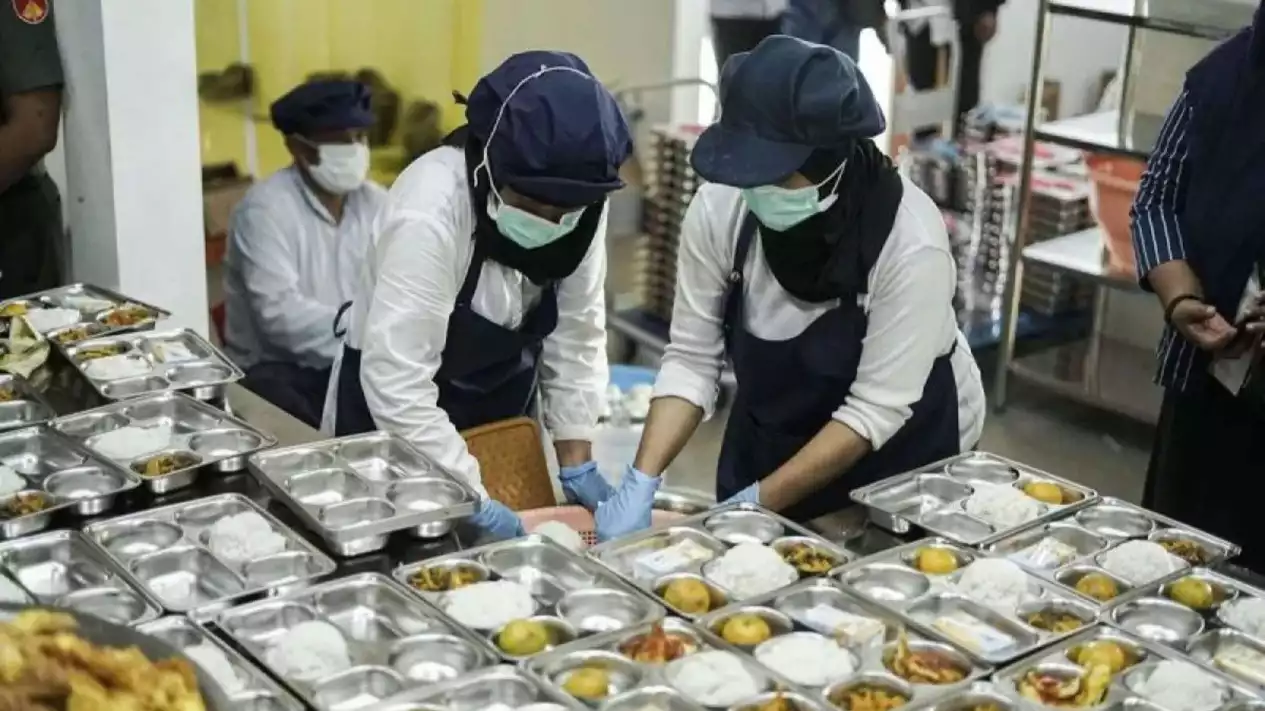
The Government Targets 82 Million MBG Recipients: The Elderly are a Priority for National Food Protection

Jakarta – The government is targeting expanding the Free Nutritional Meal Program (MBG) to 82.9 million beneficiaries by the end of 2026 as part of strengthening national food security. This program not only targets children and pregnant women but also prioritizes vulnerable groups such as the elderly and people with disabilities in government social policy.
President Prabowo Subianto expressed optimism that the target could be achieved, given that the MBG program had reached approximately 58 million beneficiaries by early 2026. He made this statement at the inauguration of the Pertamina RDMP Balikpapan Integrated Energy Infrastructure in East Kalimantan. He assessed that this achievement demonstrates the country’s ability to effectively manage large-scale programs.
“God willing, I believe and am certain that by the end of December 2026, we will reach 82 million beneficiaries. Other countries, like Brazil, reached 41 million in 11 years, while Indonesia has already reached 58 million in one year,” said President Prabowo.
The President also highlighted the program’s global impact. He noted that several countries and international organizations are now using Indonesia as a case study in implementing national nutrition programs.
“We feed 58 million people every day, including pregnant women and the elderly, whose meals are delivered directly to their homes. This is an achievement previously thought impossible,” said the President.
Social Affairs Minister Saifullah Yusuf, also known as Gus Ipul, announced that the Ministry has prepared a special MBG (Community Assistance Program) for neglected seniors aged 75 and over and people with disabilities. This program is expected to reach over 100,000 seniors and around 36,000 people with disabilities in the initial phase.
“The President has approved the MBG program for the elderly and people with disabilities. In addition to nutritious food, we are also preparing caregivers to provide care, as most of these elderly live alone,” said Gus Ipul.
According to Gus Ipul, the MBG service for the elderly and disabled represents a transformation of the existing food program. However, the current approach is strengthened by more comprehensive and sustainable service standards.
“This is a form of transformation of social services to make them more dignified and targeted,” he added.
Meanwhile, Minister of State Secretary Prasetyo Hadi emphasized that the government is open to various inputs regarding the development of the MBG, including expanding the target group to other vulnerable groups.
“The government is always open to suggestions and comments from the public to ensure that no group is left out of social protection programs,” he said.
With ambitious targets and cross-ministerial support, the Free Nutritious Meals Program is expected to become a crucial foundation in strengthening food security, improving the quality of life for vulnerable groups, and promoting social justice throughout Indonesia.
