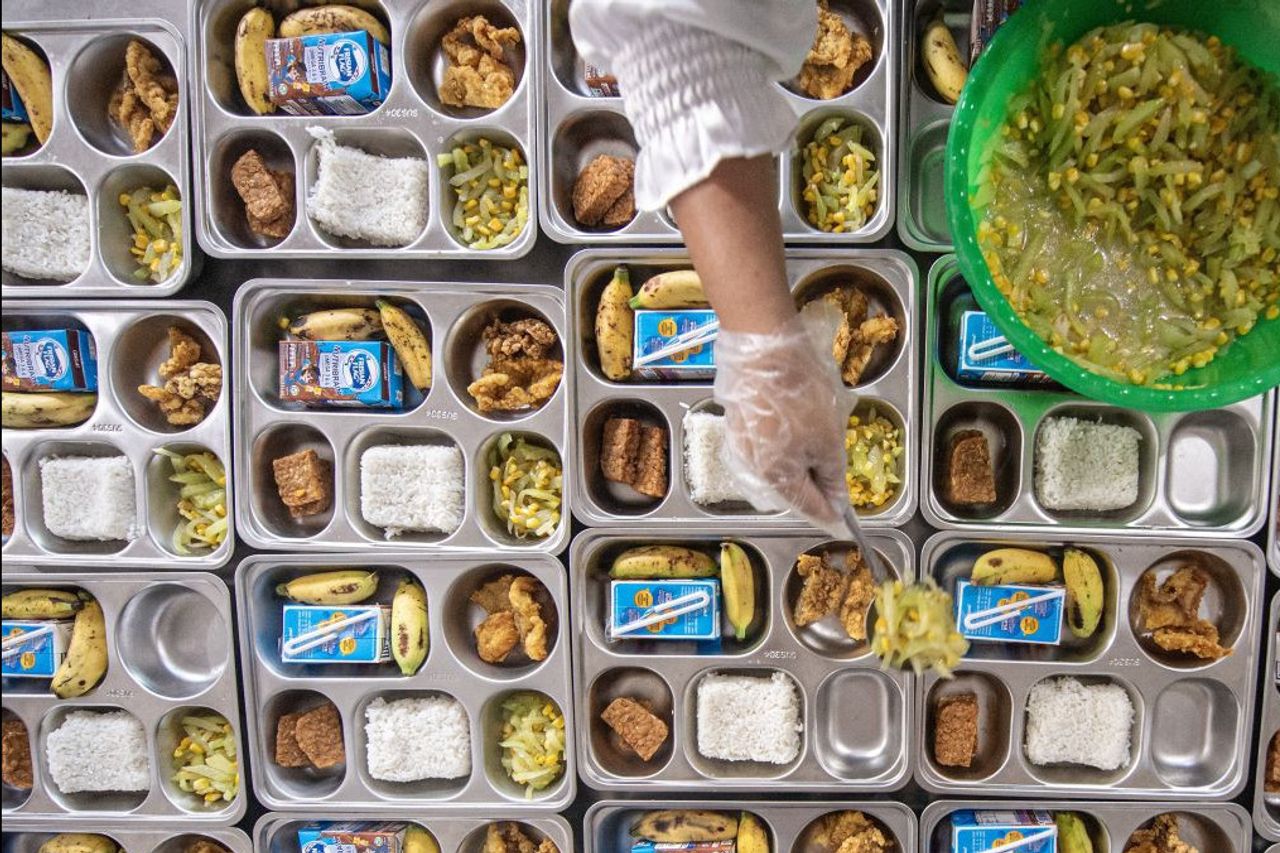
The Government Tightens Supervision of MBG, Prohibiting Kitchen Partners from Marking Up Food Ingredients

Jakarta – The government is further strengthening its commitment to maintaining the integrity and quality of the Free Nutritious Meals (MBG) program, a national strategic program in the field of human resource development.
By strengthening oversight of distribution and governance of partner kitchens, the government ensures that every rupiah of the public budget truly goes towards improving the nutritional quality of the community, especially children and vulnerable groups.
This decisive action aligns with the government’s policy of strengthening accountability for social programs, which is now a primary focus. In addition to administrative oversight, food safety, raw material pricing transparency, and the operational ethics of kitchen partners are also serious concerns. The government believes that MBG is not simply an aid program, but a long-term investment in the quality of the nation’s future generations, ensuring it is free from unhealthy practices such as food markups.
Deputy Head of the National Nutrition Agency (BGN), Nanik Sudaryati, emphasized that the government will not tolerate deviations in the implementation of the MBG program.
“We are tightening our oversight of the distribution of free nutritious meals. There must be no abuse, either in operations or in food procurement. This is a state program, not a private business venture,” he stressed.
He also highlighted the practice of marking up raw materials carried out by a small number of kitchen partners.
“If any SPPG or MBG kitchen partners are found to have marked up raw materials, they will be subject to strict sanctions. This could include a stern warning, termination of cooperation, or even contract termination. The state must not be harmed, and the public must not be victimized,” he said.
In another statement, Nanik emphasized the food security aspect as a top priority.
“Our focus isn’t just on distribution, but also on food safety. Raw materials must be suitable, healthy, and meet nutritional standards. The use of state facilities must also comply with regulations and must not be for personal gain,” he said.
This oversight is strengthened through a digital reporting system, regular audits, and the involvement of local governments and internal government oversight bodies. Cross-sectoral coordination continues to be strengthened in various regions to ensure uniform, transparent, and accountable implementation of the MBG. The government also encourages active community participation in participatory oversight, ensuring that the program truly belongs to all.
This step is in line with President Prabowo Subianto’s message at the 2026 National Coordination Meeting (Rakornas) of the Central and Regional Governments, which emphasized the importance of integrity, clean governance, and the effectiveness of national strategic programs.
The Head of State also emphasized that the success of priority programs is not just about large budgets, but about honesty, discipline, and real commitment to the people.
