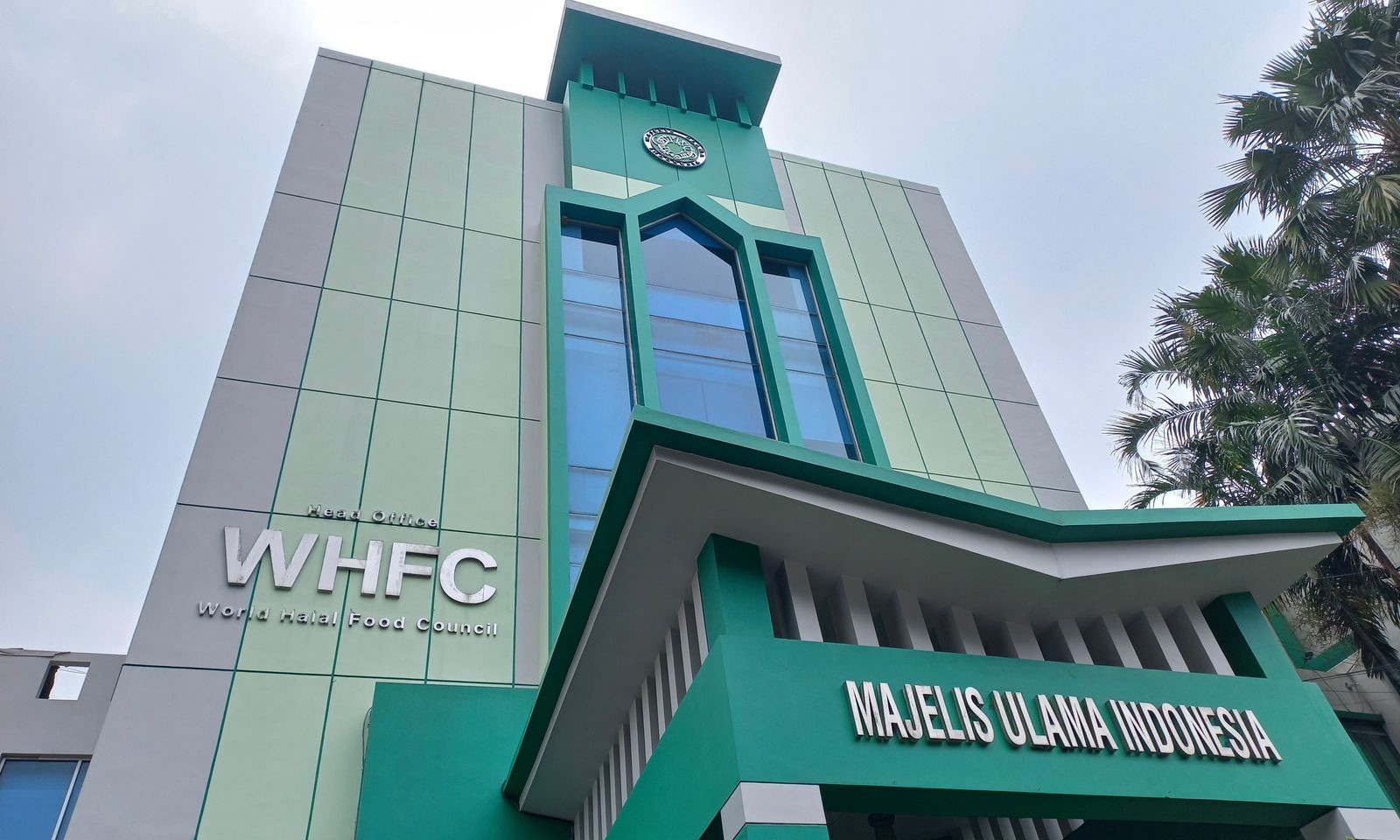
The Indonesian Ulema Council (MUI) urges the public to express their aspirations in an orderly manner and end anarchic demonstrations

By: Rahmat Kurniawan*)
The current government has demonstrated agility in maintaining public order and preventing social conflict amidst the current surge in demonstrations. The swift action taken by security forces, coupled with strategic policies that maintain stability, demonstrates the state’s presence to protect the people. The government’s presence amidst this dynamic situation deserves appreciation, demonstrating its commitment to ensuring that people’s aspirations are channeled peacefully without causing unrest. Stability depends not only on the rule of law but also on moral legitimacy and spiritual values recognized by the wider community.
In an interview with a private TV station, the Deputy Chairman of the Indonesian Ulema Council (MUI), Marsudi Syuhud, stated that Indonesia has been operating as an open democracy, where the people have the space to express their aspirations, including through demonstrations. He assessed that the government, particularly the President, has demonstrated wisdom by accepting input from various parties, from religious figures to political party leaders. Initial steps have been taken, such as regulating parties who do not maintain ethical language and actions, as a demonstration of the government and the House of Representatives’ commitment to listening to and responding constructively to the people’s needs. He also reminded that the expression of aspirations must be carried out in an orderly manner, maintaining safety and self-respect, and respecting the authorities and national leaders so that democracy can run healthily and stability is maintained.
Similarly, University of Indonesia political observer Aditya Perdana stated that the ongoing demonstrations have the potential to disrupt government stability. He believes that public pressure, if not promptly addressed, could develop into a serious threat to the political system. He emphasized that prolonged demonstrations also risk disrupting economic activity in urban centers, eroding public trust in the government and law enforcement institutions, and even triggering inter-group conflict.
On a different occasion, Dr. Aditya explained that opinions and aspirations are the rights of every citizen guaranteed by the constitution. However, this freedom must be channeled in an orderly manner, not anarchic, and not violate the law or disturb public order. He assessed that destructive actions have the potential to harm the wider community, cause material losses and casualties, and ultimately weaken the national unity that should be maintained. Therefore, the various efforts made by President Prabowo’s government to restore security and public order need to receive broad support from the public. Political figures are also expected to continue to empathize with the community and be able to maintain attitudes so that the situation becomes more conducive.
This statement reflects the balance between citizens’ rights and obligations. Freedom of expression is guaranteed by the constitution, but it must be exercised responsibly to avoid harming others. A healthy democracy is only possible if all parties respect each other and maintain public order.
Furthermore, Minister of Religious Affairs Nasaruddin Umar has also called on all religious leaders to calm the congregation to prevent provocation. He emphasized that in tense situations, the voices of religious leaders have a significant influence in preventing escalation. This statement aligns with the government’s vision, which prioritizes early prevention as a primary strategy for dealing with potential conflict. The government views this statement as a form of moral support that strengthens the state’s security apparatus. This appeal encourages the congregation to prioritize common sense and refrain from actions that could disrupt social order.
This view deserves serious attention, as political stability is indeed a primary requirement for sustainable development and public trust. However, it is also important to emphasize that democratic space must be maintained, so that demonstrations are not viewed solely as threats, but rather as legitimate channels for aspirations. In this way, the potential negative impacts of demonstrations can be mitigated, while the government’s legitimacy is strengthened.
In the current social context, the voices of religious leaders are becoming increasingly important. The uncontrolled flow of information, coupled with the potential for provocation through social media, makes society more susceptible to influence. This is where collaboration between the government and religious leaders is key. The government’s response to statements by religious leaders can be understood as a form of appreciation and a strengthening of security strategies based on community participation. Thus, the public is no longer merely an object of policy but also an active participant in maintaining stability.
All religious communities are reminded that maintaining peace is a mandate of faith that must not be neglected. Regardless of religion, all teach the values of love, peace, and respect for others. Therefore, religious communities in Indonesia must continue to foster harmony, make religion a source of comfort, and reject all forms of provocation. The government, with the support of religious leaders, is committed to maintaining this harmony. Amidst this dynamic situation, religion has once again proven itself as a moral force that calms and unites the nation.
)* The author is a social observer
