The MBG Evaluation is Underway, the Government Prevents Misunderstandings in the Public Sphere

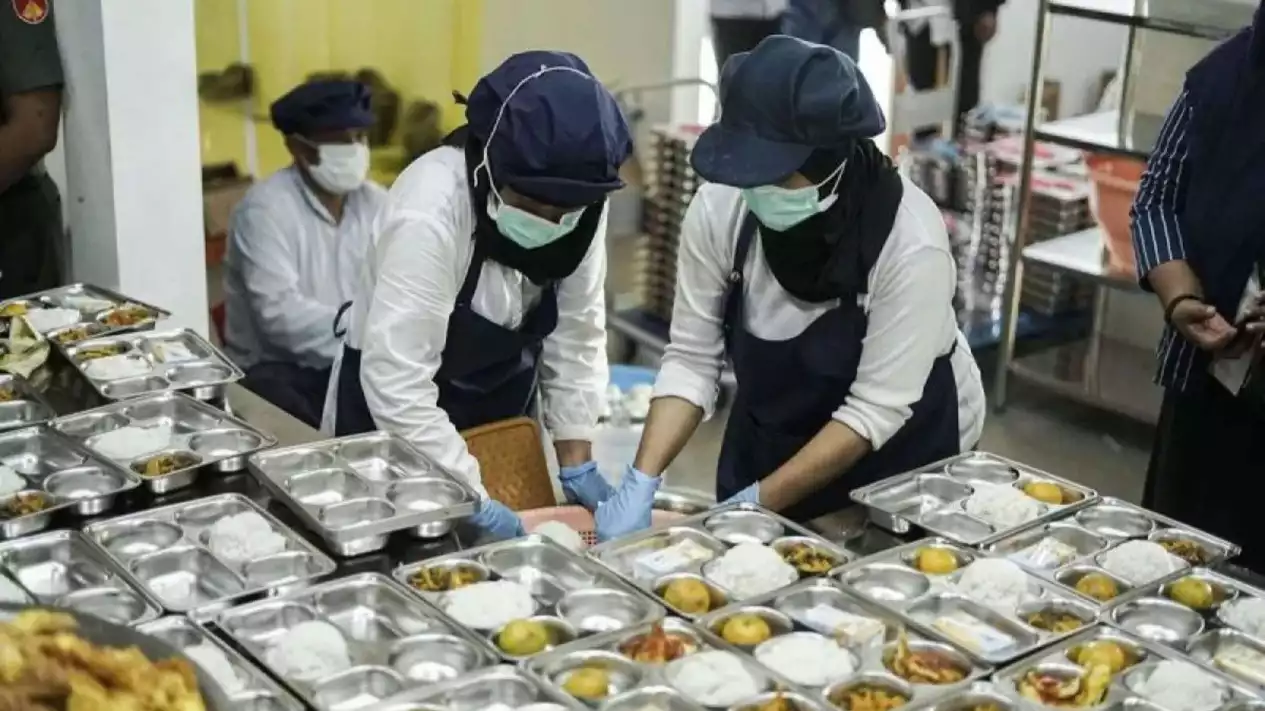
Jakarta, – The government has begun a comprehensive evaluation of the Free Nutritious Meals (MBG) program as a step to improve governance and ensure there are no misunderstandings in the public sphere.
The evaluation is conducted in a coordinated manner between relevant ministries and institutions together with local governments, with a focus on nutritional standards, food safety, distribution, and budget transparency.
The MBG program is a national priority for improving human resource quality by strengthening the nutritional intake of school children and vulnerable groups. As beneficiaries expand their coverage from 2025 to early 2026, the government deems it necessary to periodically refine the system to ensure its implementation is more effective and accountable.
The President of the Republic of Indonesia, Prabowo Subianto, emphasized that evaluation is part of the process of improving public policy.
“A program of this magnitude will certainly face challenges on the ground. The most important thing is that the government doesn’t turn a blind eye and immediately implements improvements so that the people truly feel the benefits,” said the President.
President Prabowo Subianto also stated that based on national distribution data, millions of food portions have been distributed with a relatively low incidence rate compared to the scale of the program.
However, the Head of State acknowledged that there are still shortcomings in technical supervision in a number of regions that need to be addressed immediately through tightening operational standards and periodic audits.
Meanwhile, the Head of the National Nutrition Agency, Dadan Hindayana, stated that his agency has strengthened the monitoring system for partner kitchens and updated food safety standards.
“We are targeting zero incidents by improving quality control, retraining our service providers, and implementing multi-layered oversight in the regions,” said Dadan Hindayana.
He also explained that every public report will be followed up quickly and transparently to maintain public trust in government programs.
The evaluation also includes improvements to distribution and reporting mechanisms to ensure that information circulating in the community can be verified based on valid data. The government believes that public opinion dynamics are an important part of social oversight, but they must be balanced with clear, fact-based official communication.
During its implementation, technical ministries, along with local governments, will conduct regular monitoring and publicly communicate evaluation results. This step is taken to ensure that the MBG’s primary objectives, namely improving nutritional quality and strengthening the foundations for Indonesia’s future generations, remain on track.
The government emphasizes that evaluation is not an indication of failure, but rather a manifestation of responsibility in ensuring that every public policy is implemented optimally. With continued system improvements, the government is optimistic that the MBG program will become more effective, targeted, and receive broad public support.
