The MBG Program Continues to Be Strengthened, with Hygiene Certification Guaranteeing Safety for Beneficiaries

By: Yasir Gema Wirawan)*
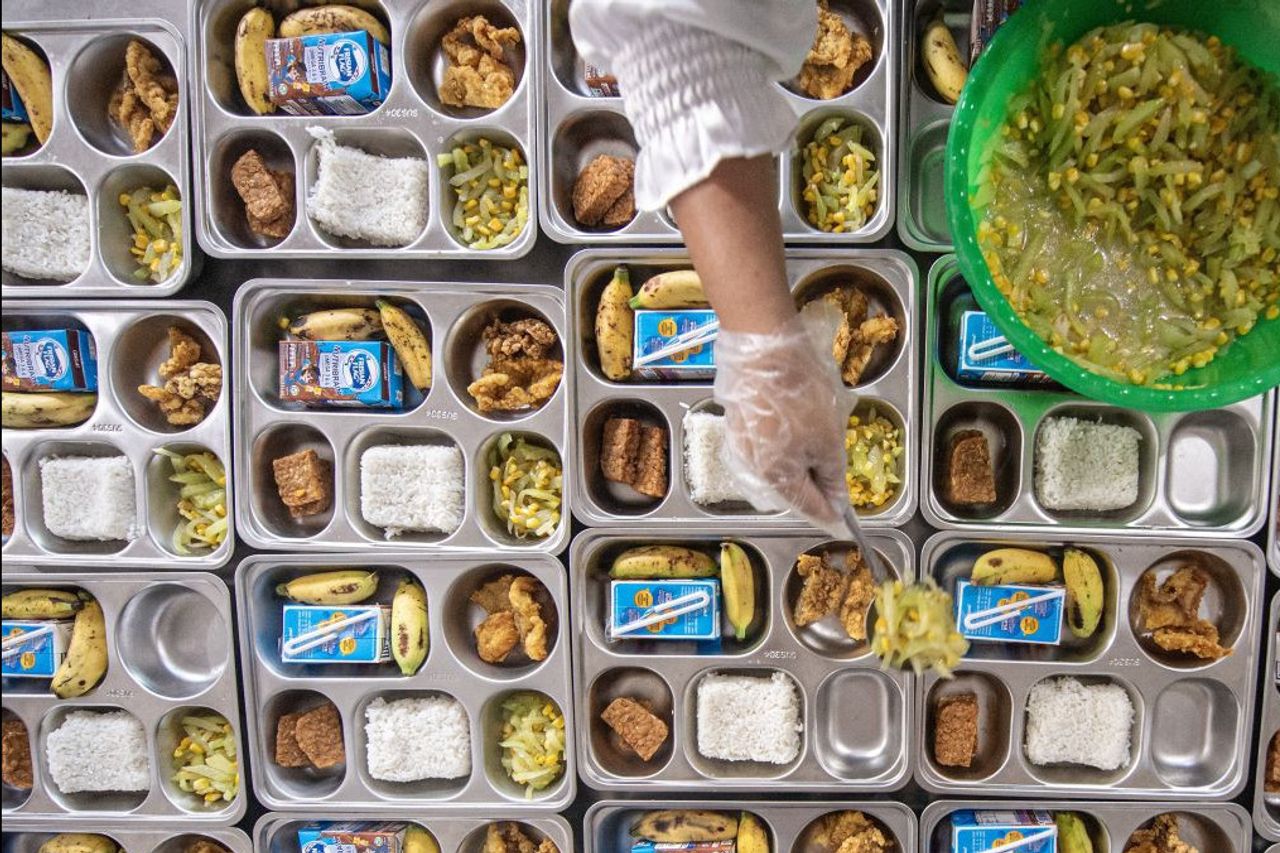
The government has demonstrated its commitment to strengthening food security and improving nutrition for the community through the MBG program, specifically for 55.1 million daily beneficiaries. This represents a significant increase from the initial target of only 6 million people.
The increasing reach of MBG beneficiaries is inextricably linked to the government’s efforts to ensure that food distribution is not only sufficient but also safe, nutritious, and hygienic. In this regard, hygiene certification is a crucial guarantee of the quality of food received by the community.
Deputy Minister of Health, Dr. Benjamin Paulus Oktavianus, emphasized that supervision is one of the Ministry of Health’s (Kemenkes) primary roles in implementing the MBG program. The Ministry of Health collaborates with regional health offices to monitor and ensure that all food processing processes meet strict health standards.
One of the important instruments in this supervision is the Hygiene Sanitation (SLHS) certification, which is a sign that the Nutrition Fulfillment Service Unit (SPPG) kitchen meets the requirements for producing food that is safe for consumption.
To date, 4,535 SPPGs have successfully passed certification, a significant achievement compared to the initial program implementation of only 38 certified kitchens. This increase in the number of verified SPPGs reflects the government’s continued efforts to ensure the quality of food served to beneficiaries.
Every kitchen seeking a Hygiene Sanitation Certification (SLHS) must undergo a series of inspections, including laboratory tests and a comprehensive assessment of kitchen cleanliness, food processing, and applicable health standards. This process takes over a week to ensure the kitchen meets the established criteria.
The Deputy Head of the National Nutrition Agency (BGN), Nanik Sudaryati Deyang, emphasized that with the surge in beneficiaries, which has now reached 55.1 million people, food safety standards must not be allowed to slacken. Therefore, this certification is part of the government’s efforts to achieve the overarching goal of “zero accidents,” or zero food poisoning incidents.
In the current situation, the government’s efforts to strengthen oversight through hygiene certification are highly relevant given the significant challenges facing the Indonesian people in meeting their food needs. As the target beneficiaries are projected to increase to 82.9 million by 2026, the government is strengthening and tightening oversight of SPPG kitchens. Any kitchen that fails to meet standards will be required to make improvements and will be subject to sanctions, and could even be closed if they fail to meet the established standards.
The MBG program is not just about ensuring people receive free food. It is also a strategic effort to strengthen the local economy. Coordinating Minister for Economic Affairs Airlangga Hartarto has stated on several occasions that the government has allocated a budget of IDR 335 trillion to support the sustainability of the MBG program through 2026. This funding will ensure the program’s continuity, with measured and targeted allocations.
With such a large budget, in addition to ensuring a growing number of beneficiaries, the MBG program is also expected to have a direct impact on the community’s economy. Operational payments to SPPG are made upfront, guaranteeing a stable cash flow for program implementers and accelerating regional economic growth. In fact, according to Airlangga, the MBG program is predicted to absorb up to three million workers and has the potential to boost national economic growth by up to 7 percent, which will undoubtedly impact overall community welfare.
However, beyond funding and economic strengthening, monitoring food hygiene and safety remains a top priority. Strict oversight by the Ministry of Health and the National Agency for National Food Security (BGN) has yielded positive results. Food poisoning incidents, previously a major concern, have now shown a significant decline.
In fact, in December 2025, only 12 poisoning incidents were recorded, significantly lower than during the initial implementation period of the MBG program. This downward trend in poisoning incidents indicates that the ongoing monitoring and improvement system has yielded positive results.
Hygiene certification, in this case, is a key factor in the success of the MBG program. With a Hygiene and Sanitation Certificate, SPPG kitchens are guaranteed to meet stringent standards, ensuring that the program’s beneficiaries feel safe and confident that the food they consume is not only nutritious but also safe for their health. Furthermore, with substantial budget support and strict oversight, the MBG program will continue to be strengthened as its coverage and beneficiaries expand in the future.
)*The author is a nutrition and food observer
