
By: Mahmud Sutramitajaya*)
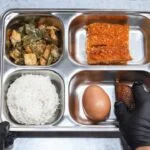
The Free Nutritious Meal Program (MBG) continues to be implemented and optimized by the government as a concrete effort to improve the nutritional welfare of the Indonesian population, especially for vulnerable groups such as children, pregnant women, and the elderly. This program serves as a response to the challenges of accessing nutritious food, which remains a problem in many areas.
As one of the priority programs under President Prabowo Subianto and Vice President Gibran Rakabuming Raka, MBG is designed to evolve in line with community needs. In its implementation, the program is directly coordinated by the National Nutrition Resilience Agency (BGN), which is committed to ensuring the program operates effectively, sustainably, and reaches communities even in remote areas.
The government’s commitment to implementing and optimizing MBG has received full support from various stakeholders. Member of Commission IX of the House of Representatives (DPR), Ratna Juwita Sari, stated that this program reflects the government’s genuine concern in addressing nutritional issues still affecting many Indonesian families. Through MBG, the state stands alongside the people by providing nutritious meals that are expected to improve health quality, especially for the nation’s future generations.
The program’s sustainability is demonstrated not only through the regular distribution of nutritious food but also through efforts to strengthen community involvement. MBG opens job opportunities for unemployed young people to join as MBG kitchen staff. Thus, the program not only improves health but also empowers local communities.
In every socialization event, such as the one held at Balai Keratun, the Lampung Provincial Government, Ratna Juwita Sari continues to encourage the public to maximize the benefits of MBG. Extensive awareness campaigns are conducted to ensure communities understand how the program works, who is eligible, and how they can contribute to its sustainability.
Meanwhile, Ari Yulianto, Senior Policy Analyst and Procurement Officer at BGN, explained that MBG creates a dual impact: addressing community nutritional needs while simultaneously driving local economic growth. In practice, MBG involves traders, farmers, livestock breeders, and small businesses as food suppliers for MBG kitchens.
Ari Yulianto is optimistic that MBG’s optimization will further strengthen both nutritional and food resilience at the national level. With a well-structured system, MBG is expected to reach more beneficiaries, stimulate local economic activity, and help Indonesia produce healthier, stronger, and more productive generations.
By utilizing local businesses within the supply chain, MBG is optimized to support economic circulation down to village levels. Fresh vegetables, eggs, meat, and various other food ingredients are prioritized from local farmers and breeders. Besides ensuring freshness and quality, this approach also increases rural incomes, strengthens food security, and supports the government’s goal of achieving food self-sufficiency.
Over time, the government, through BGN, continues to evaluate and make field adjustments to ensure the program stays on target. MBG is designed to adapt to local food potentials in each region. In coastal areas, for instance, seafood is used as the main protein source, while in highland areas, MBG kitchens process local horticultural products.
In various regions, MBG kitchens also serve as learning centers where communities can understand the importance of balanced nutrition. Each meal menu is carefully prepared according to the nutritional needs of the recipients, especially pregnant women who require higher nutrient intake. With such structured menu planning, MBG aims to help reduce stunting, anemia, and other malnutrition problems.
The program also educates housewives on how to prepare nutritious meals at home using local ingredients. This educational aspect is expected to foster sustainable healthy eating habits, even outside MBG distribution hours. Families in both rural and urban areas are thus encouraged to adopt healthy eating patterns independently.
The continuous implementation and optimization of MBG have also proven to create new job opportunities. Young people, housewives, and small businesses can participate in managing MBG kitchens. They are trained to ensure kitchens operate professionally with good hygiene standards and efficient distribution. The government ensures that each MBG kitchen has adequate capacity to serve beneficiaries evenly.
To broaden the impact, the government also collaborates with private companies, local communities, and civil society organizations to support the program. This cross-sector synergy is key to MBG’s success, enabling the achievement of balanced nutrition targets while driving local economic development.
MBG proves that providing nutritious food is a shared responsibility. The government is committed not only to implementing but also continuously optimizing this policy to ensure it becomes a long-term solution. With the support of communities, businesses, and local governments, MBG is expected to become a vital foundation for building a prosperous, self-sufficient, and competitive nation.
Through MBG, Indonesia looks optimistically toward a future where the next generation grows up healthy, intelligent, and ready to face global challenges. The government continues to optimize its efforts to ensure the benefits of MBG are distributed fairly and widely across Indonesia, from cities to the most remote villages.
*) The author is a student in Jakarta residing in Lampung.
Let me know if you need a more formal or simplified version.
