
By: Arman Panggabean
The government, under President Prabowo Subianto’s leadership, has taken a strategic step by shifting its assistance scheme from electricity tariff subsidies to Wage Subsidy Assistance (BSU).
This decision reflects the government’s swift response to bureaucratic hurdles in the budgeting process, which threatened to delay direct aid distribution to the public.
Rather than persisting with an electricity discount program prone to administrative bottlenecks, the government chose to deliver direct cash stimulus to more directly affected groups—namely low-wage workers and honorary teachers.
This change is not merely a matter of bureaucratic adjustment. The government assessed that wage subsidies are backed by more robust data systems, are easier to distribute, and their positive impact can be felt more immediately by recipients.
Finance Minister Sri Mulyani emphasized that this new approach ensures the aid reaches the right targets and promptly boosts purchasing power among Indonesians.
Instead of waiting for a discount scheme that is unlikely to be implemented effectively in the near term, direct cash assistance is seen as more capable of meeting urgent public needs.
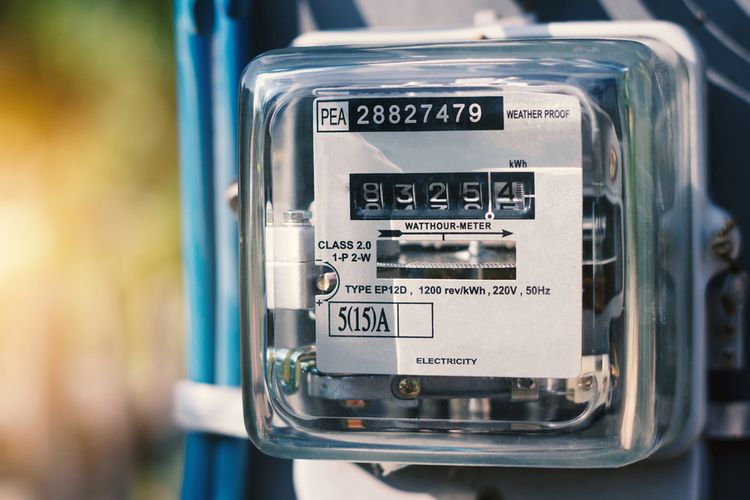
Previously, a 50% electricity discount for households with capacities below 1,300 VA had been planned for June and July 2025. However, delays in budget authorization rendered the program unfeasible in terms of timely execution. The cancellation applies nationwide, including to regions such as Batam and the Riau Islands.
In its place, the government has allocated IDR 10.72 trillion to implement the BSU, which will be distributed to around 17.3 million workers earning less than IDR 3.5 million per month.
Additionally, 565,000 honorary teachers under both the Ministry of Education and the Ministry of Religious Affairs will receive the same support. Each recipient will be granted IDR 600,000 in a single payment covering both June and July 2025.
According to Coordinating Minister for Economic Affairs Airlangga Hartarto, this policy shift is part of a broader strategy to strengthen household consumption and support economic growth in the second quarter.
The government considers BSU a more ready-to-implement form of stimulus, backed by an existing database of recipients and a well-established distribution infrastructure. Airlangga emphasized that this change does not diminish the government’s commitment to protecting public purchasing power.
In the labor sector, Minister of Manpower Yassierli explained that BSU disbursement is expected to begin as early as Thursday, June 5, 2025. His ministry is finalizing recipient data through coordination with various ministries and agencies, including BPJS Ketenagakerjaan (Workers Social Security Agency).
BSU will only be provided to those meeting specific criteria: Indonesian citizens with valid national identification numbers (NIK), active BPJS Ketenagakerjaan participants as of April 2025, and earning less than IDR 3.5 million per month.
Yassierli emphasized that the main goal of this program is to protect the purchasing power of low-income workers amid inflationary pressures and rising energy costs. The government aims to ensure that people retain sufficient consumption capacity to sustain economic growth. BSU is positioned as a direct fiscal intervention with tangible, immediate benefits for workers.
The program is legally regulated under Ministerial Regulation No. 5 of 2025, which replaces previous rules. With clear guidelines and a verified data foundation, the aid distribution process is expected to be on target and avoid budget misuse.
While the cancellation of electricity discounts has drawn criticism from some members of the public—particularly lower-income households—many view the government’s approach as more adaptive to real conditions.
Several economists have described the move as a pragmatic decision that balances fiscal efficiency with policy effectiveness in addressing societal needs.
BSU is not the only stimulus the government is rolling out. Additional measures include toll road fee reductions, public transportation discounts, increased social aid, and reduced work accident insurance premiums. The total stimulus package amounts to IDR 24.4 trillion, all aimed at safeguarding purchasing power and supporting domestic economic stability.
The decision to replace electricity subsidies with BSU demonstrates the government’s commitment to acting swiftly and responsively in the face of economic challenges. When conventional approaches become less feasible due to technical constraints, direct policies like BSU prove to be more flexible and practical solutions.
With a focus on faster and more targeted cash assistance, the government is working to ensure that each policy directly benefits the people. Target accuracy, timely distribution, and regulatory clarity are key indicators of this initiative’s success.
As long as all parties carry out their roles transparently and accountably, this policy transformation may become a standout example of social aid reform rooted in the real needs of the people.
(*)
Social Policy Analyst – Madani Institute for Social Development
