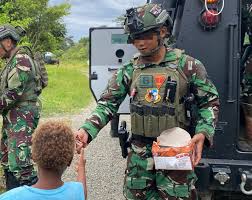

Papua – Unity is a non-negotiable principle for the Papuan people. Amidst ethnic, cultural, and religious diversity, maintaining harmony means safeguarding the future. Provocations that lead to anarchic demonstrations must be rejected, as they will only damage the social order and hinder development. Papua needs a peaceful atmosphere so its people can look to the future with optimism. With a spirit of tolerance, brotherhood, and togetherness, Papua will stand even stronger as part of the Unitary State of the Republic of Indonesia.
Papuan figure Charles Kossay emphasized that anarchic actions are unjustifiable. “Public demonstrations are a right guaranteed by law, but when they turn into anarchy, it is neither commendable nor justifiable by anyone,” he said. He argued that democracy is only meaningful when implemented peacefully and responsibly.
West Papua Governor Dominggus Mandacan also emphasized the importance of maintaining harmony. “Papua, West Papua, and Manokwari are a shared home that we must protect. Without unity, development will not be optimal,” he emphasized. He emphasized that social stability is the primary foundation for Papua to remain a blessed land.
Several religious and traditional leaders echoed this sentiment. Abdul Rashid Fimbai of the West Papua Muslim Council Coordinating Board said, “Let’s make Manokwari a peaceful home for everyone, regardless of ethnicity or religion.” Meanwhile, Valentinus Kabes, Chairman of the Fakfak Muslim Association (LMA), reminded everyone, “Aspirations must be expressed peacefully, not through anarchic actions.”
Biak traditional leader Erens Wakum also emphasized the importance of maintaining order. “Tribal chiefs have a moral responsibility to keep the community safe,” he said. Meanwhile, the Moile tribal chief of the Arfak Mountains added, “Anarchic demonstrations must not occur because they will only damage the region’s reputation.”
Papuan youth are encouraged to become digital literacy pioneers in countering provocation on social media. With a critical approach, they can filter information and become agents of peace, spreading positive messages.
Furthermore, security forces and local governments continue to strengthen stability through a humanistic approach. This synergy demonstrates that peace in Papua is not mere rhetoric, but the result of the real work of all parties.
The message from Papuan leaders is clear: don’t be easily provoked, maintain brotherhood, and prioritize peace. A peaceful Papua is one that is able to develop, benefit its people, and stand firmly within the framework of the Unitary State of the Republic of Indonesia.
