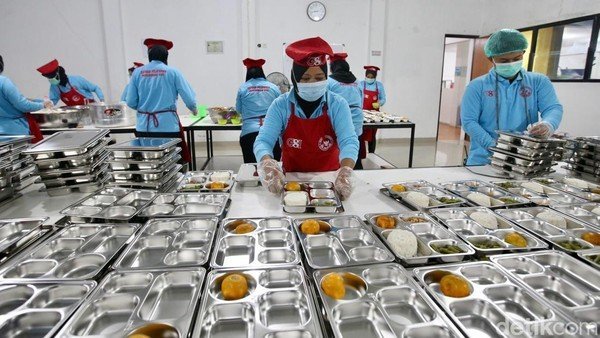
Utilizing Digital Technology in the Free Nutritious Meals (MBG) Program: The Key to National Success

Jakarta – Deputy Minister of Communications and Digital Affairs, Nezar Patria, emphasized that the use of digital technology is the only effective way to manage the Free Nutritious Meals Program (MBG), which aims to reach 82 million Indonesian children by the end of 2025.
Nezar stated that digitization within the MBG program is essential, considering the massive scale of the initiative designed to improve the nutritional quality of Indonesia’s children. He stressed that through digitalization, data and information management will become more efficient, enabling better monitoring of every stage from upstream to downstream.
“I believe that digital intervention—or digitization—in the implementation process of this free nutritious meals program is inevitable, as we aim to feed approximately 82 million children by the end of 2025,” Nezar said.
He further explained that the success of the MBG program cannot be separated from digital data management, covering everything from the food supply chain, nutritional standard monitoring, and distribution, to reporting. With an integrated system, every process—from staple food prices to delivery schedules—can be monitored in real-time, reducing potential errors and preventing budget waste.
“It may seem as simple as cooking and distributing food. But in reality, preparing meals on time requires planning from upstream to downstream. For example, ensuring that food supplies arrive at the kitchens on schedule and meet nutritional standards must all be data-driven,” he explained.
Nezar emphasized that with digitization, transparency in logistics procurement and food quality monitoring can be ensured. Through an open and integrated system, MBG can become a model of public service that is data-based, accountable, and delivers tangible results.
“If there are public complaints about poor food quality being delivered to schools, those issues will receive immediate attention. A monitoring system is also being built,” said Nezar.
Furthermore, he pointed out that MBG is not merely about providing nutritious meals, but represents a long-term investment in improving Indonesia’s human resources. The program aims to prepare a generation ready to face the demographic bonus and contribute to the country’s growing digital economy ecosystem.
“The impact of MBG will be seen in the readiness of our labor force, our workers, and our next generation in building an economic ecosystem that, as we know, will increasingly revolve around the digital economy in the future,” Nezar asserted.
As part of the broader Indonesia Emas 2045 vision, the digitalization of MBG plays a crucial role in ensuring equitable access for all layers of society, especially in areas that previously had limited access to quality nutrition services.
“With connectivity now reaching 97 percent of inhabited areas, all regions have an equal opportunity to benefit from this program,” Nezar explained.
He concluded his statement with optimism. Although the MBG program may have been launched later than ideal, he believes this step is essential for improving Indonesian children’s nutrition. “Even if we’re late, it’s better late than never. And I believe this is a strategic move by President Prabowo to advance child nutrition in Indonesia,” Nezar Patria concluded.
