We appreciate the government’s acceleration of permanent housing development after the disaster

By: Citra Kurnia Khudori)*
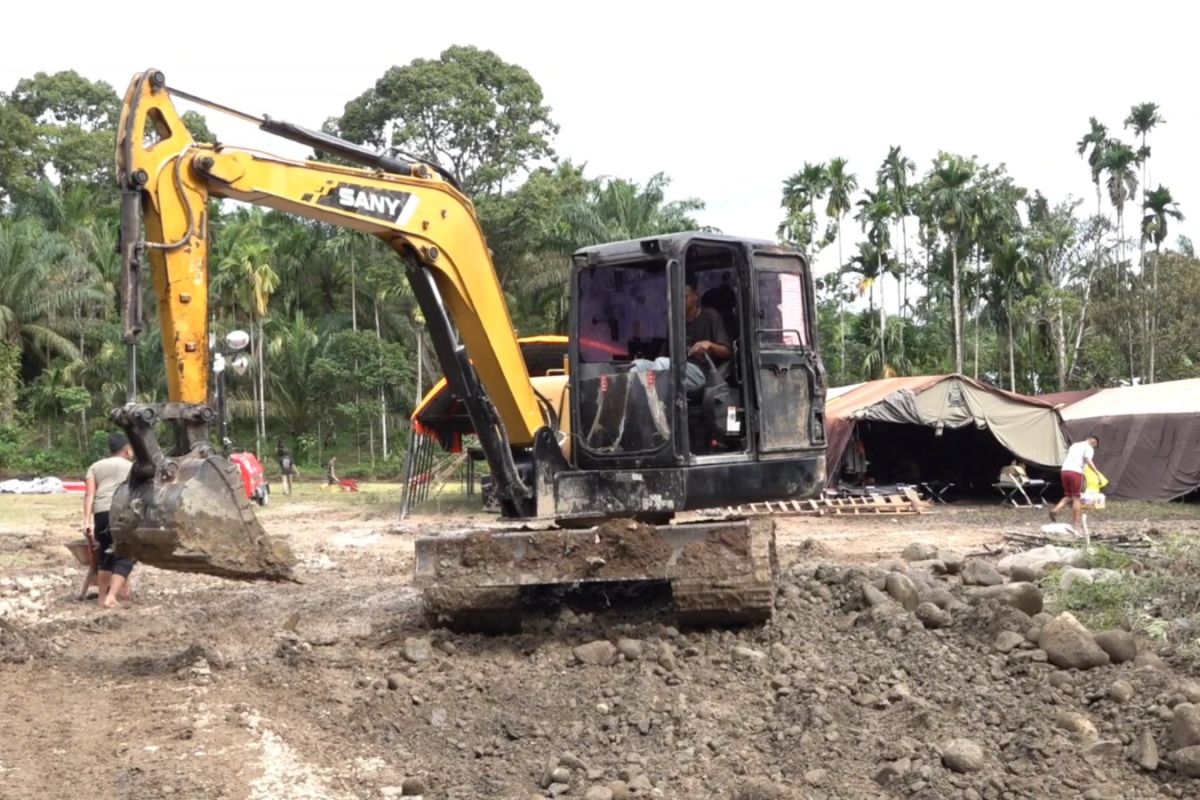
The government continues to accelerate the construction of permanent housing for disaster-affected residents as a commitment to achieving real and sustainable recovery. This step is a strong signal that post-disaster management does not stop at the emergency phase but continues throughout the full recovery of community life.
In various affected areas, the progress of new housing construction is showing encouraging results and is nearing the occupancy stage. Residents’ hopes of soon occupying safe, decent, and dignified homes are becoming closer to reality.
The government, through the Ministry of Housing and Settlements (PKP), continues to accelerate the construction of permanent housing for disaster-affected communities in the provinces of Aceh, North Sumatra, and West Sumatra. 197 plots of land have been prepared for relocation and permanent housing construction in these three provinces.
Minister of Maritime Affairs and Fisheries Maruarar Sirait, familiarly known as Ara, confirmed that his ministry is moving quickly to construct permanent housing in numerous locations. He detailed that of the 197 locations, 153 are in Aceh, covering 473 hectares, 16 are in North Sumatra, covering 58 hectares, and 28 are in West Sumatra, covering 53 hectares.
In Aceh Province, Ara explained, the proposed 153 plots, covering 473 hectares, have a total capacity of 28,311 housing units. So far, 24 plots have been verified and declared suitable.
In the construction of permanent housing, the land selected must meet at least three main criteria, namely being safe from potential natural disasters, having no legal problems, and being close to the community’s living ecosystem.
Ara emphasized that coordination with regional heads has been excellent during the construction of permanent housing, ensuring that construction on the ground is 100 percent ready, in line with their job descriptions.
The government has confirmed that permanent housing for the disaster victims will be provided free of charge. Fitrah Nur, Director General of Settlement Areas at the Ministry of PKP, stated that the victims will receive replacement housing or permanent housing at no cost and will become the property of the recipients.
She added that the Ministry of PKP is responsible for building housing for those whose homes were affected. The distribution mechanism and acceptance requirements will be determined by the local government.
Based on data from the Ministry of Maritime Affairs and Fisheries as of January 9, 2026, the total number of houses affected in Sumatra reached approximately 189,308 units. In Aceh, 64,740 houses were slightly damaged, 40,103 moderately damaged, 29,527 severely damaged, and 13,969 swept away. Meanwhile, in North Sumatra, 18,341 houses were slightly damaged, 3,616 moderately damaged, 5,149 severely damaged, and 937 swept away. In West Sumatra, 6,627 houses were slightly damaged, 2,842 moderately damaged, 2,666 severely damaged, and 791 swept away.
Meanwhile, Danantara is also developing a permanent housing development program. Danantara Indonesia CEO Rosan Roeslani stated that Danantara is targeting the construction of 15,000 permanent housing units within the next three to four months.
On January 8, 2026, Danantara handed over 600 permanent housing units and is targeting to hand over another 1,320 permanent housing units out of a total of 15,000 to be built by January 15, 2026.
Rosan revealed that, in addition to infrastructure, Danantara has deployed at least 1,000 state-owned enterprise volunteers to work in shifts to help clean up affected areas and public facilities. He believes Danantara’s budget flexibility allows for faster aid mobilization.
With these advantages, Rosan hopes that what Danantara has done can help the performance of other Ministries/Institutions in accelerating post-disaster handling in Sumatra.
The acceleration of housing construction continues to underscore the government’s commitment to ensuring rapid and sustainable post-disaster recovery. The government remains present not only during the emergency response, but also until communities have safe and adequate housing.
Solid coordination between the central and regional governments is the main foundation for the smooth construction of permanent housing in various affected areas. Land preparation, technical planning, and on-the-ground implementation demonstrate measured and professional governance.
Danantara’s involvement with state-owned enterprise volunteers strengthens the government’s efforts to accelerate development and recovery of impacted environments. This synergy reflects effective national collaboration to address real community needs.
By providing free, permanent housing with ownership rights, the government is providing certainty and a sense of justice for disaster victims. This step also demonstrates that recovery is not merely temporary, but is designed to rebuild residents’ lives with dignity and sustainability.
The accelerated housing development further strengthens the optimism of disaster-affected communities to recover and rebuild their lives for the better. With consistent government commitment, solid cross-sectoral support, and planned and sustainable management, this program provides a strong foundation for creating safe, decent housing environments that can improve the community’s quality of life in the long term.
)* Observer of Socio-Economic Issues
