We appreciate the government’s efforts to strengthen energy sovereignty by halting fuel imports

By: Gavin Asadit )*
Indonesia is entering a new chapter in its long journey toward national energy self-sufficiency. As 2026 approaches, government optimism is growing as various strategic policies begin to show tangible results. One of the most significant steps is the gradual cessation of diesel and aviation fuel imports, marking a fundamental shift in national energy governance. This transition is seen not only as an effort to conserve foreign exchange but also as a symbol of Indonesia’s energy sovereignty amid geopolitical uncertainty and fluctuating global energy prices.
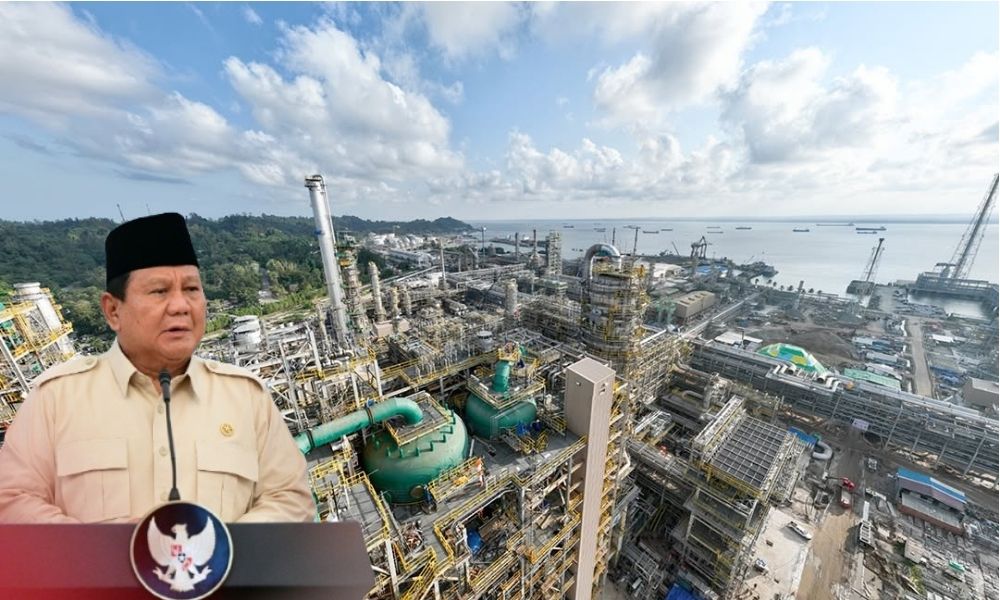
The government’s commitment to halting diesel imports by 2026 is based on increased domestic refinery capacity, particularly following the full operation of the Balikpapan refinery expansion project under the Refinery Development Master Plan. This refinery is now capable of processing crude oil at a much higher capacity than before, enabling the national diesel supply to be met by domestic production. Under these conditions, the dependence on imported diesel, which has burdened the country’s trade balance for years, can gradually end.
Minister of Energy and Mineral Resources Bahlil Lahadalia, in a statement, emphasized that the government will no longer issue new diesel import permits, either to state-owned or private companies. According to Bahlil, this policy is a direct order from President Prabowo Subianto, who wants national energy security to be built from the strength of domestic production. He emphasized that the remaining diesel import stock at the beginning of the year represents the remainder of old contracts and does not reflect new demand. The government, Bahlil said, wants to ensure that starting in 2026, Indonesia will be self-sufficient in fulfilling its national diesel needs.
The success of achieving diesel self-sufficiency has also given the government confidence to take further action by preparing to phase out aviation fuel (avtur) imports. Aviation fuel has been a significant component of fuel imports, in line with the growth of the national aviation sector. The government is targeting a complete cessation of aviation fuel imports by 2027, once domestic refineries are capable of producing aviation fuel in quantities and quality that meet international aviation standards. This step is believed to significantly impact the cost efficiency of the national aviation industry while strengthening Indonesia’s strategic energy security.
President Prabowo Subianto has emphasized on numerous occasions that energy self-sufficiency is the primary foundation for national independence. He stated that Indonesia cannot be permanently dependent on foreign energy supplies, as such dependence makes the national economy vulnerable to global pressures. The President believes that with its wealth of natural resources, Indonesia should be able to meet its own energy needs. He also emphasized that energy self-sufficiency is not just about oil and gas, but part of a broader vision of building a sovereign and sustainable national economy.
The increased capacity of the Balikpapan refinery is concrete evidence of the government’s commitment to building a national energy foundation. The project, which requires a billion-dollar investment, not only increases crude oil processing capacity but also improves the quality of the resulting fuel products to meet higher environmental standards. In addition to diesel and aviation fuel, the refinery is also capable of producing a variety of other derivative products that were previously largely imported. This ensures that the added value of the energy industry is enjoyed domestically, rather than flowing abroad.
Optimism towards energy self-sufficiency is also reinforced by the government’s consistent downstreaming policy. Downstreaming is applied not only to the minerals sector but also to the energy sector. The government is encouraging the maximum utilization of domestic crude oil for processing at national refineries, thereby reducing dependence on imported finished products. Meanwhile, the use of biofuels such as biodiesel is also being expanded as part of an energy diversification strategy and reducing dependence on pure fossil fuels.
Coordinating Minister for Economic Affairs Airlangga Hartarto believes that stopping diesel and aviation fuel imports will have a broad positive impact on the national economy. He believes the resulting foreign exchange savings can be diverted to finance the development of other productive sectors. Furthermore, stronger energy security will boost investor confidence and strengthen national economic stability. Airlangga emphasized that this transition is not a short-term policy, but rather part of a broader roadmap for Indonesia’s future economic development.
Nevertheless, the government recognizes that challenges remain. Fluctuations in global oil prices, the readiness of distribution infrastructure, and the consistency of crude oil supplies are factors that must continue to be carefully managed. Therefore, the import cessation policy is being implemented gradually and in a measured manner to avoid disrupting the stability of the national energy supply. The government is also continuing to foster dialogue with industry players to ensure a smooth transition without causing market volatility.
Going forward, energy self-sufficiency will not only be measured by ending diesel and aviation fuel imports, but also by Indonesia’s ability to develop renewable energy as a primary support for national energy needs. President Prabowo emphasized the importance of solar energy, bioenergy, and other clean energy sources to complement domestic fossil fuel production. With a combination of refining, downstreaming, and renewable energy development, Indonesia is expected to build a resilient, independent, and sustainable energy system.
Optimism about achieving energy self-sufficiency by early 2026 is not merely political rhetoric, but a reflection of real changes underway. The cessation of diesel imports and preparations to halt aviation fuel imports symbolize a major transition toward national energy sovereignty. If policy consistency and the commitment of all stakeholders can be maintained, energy self-sufficiency will no longer be merely a dream, but a reality that Indonesia can achieve in the not-too-distant future.
)* The author is an observer of social and community issues
