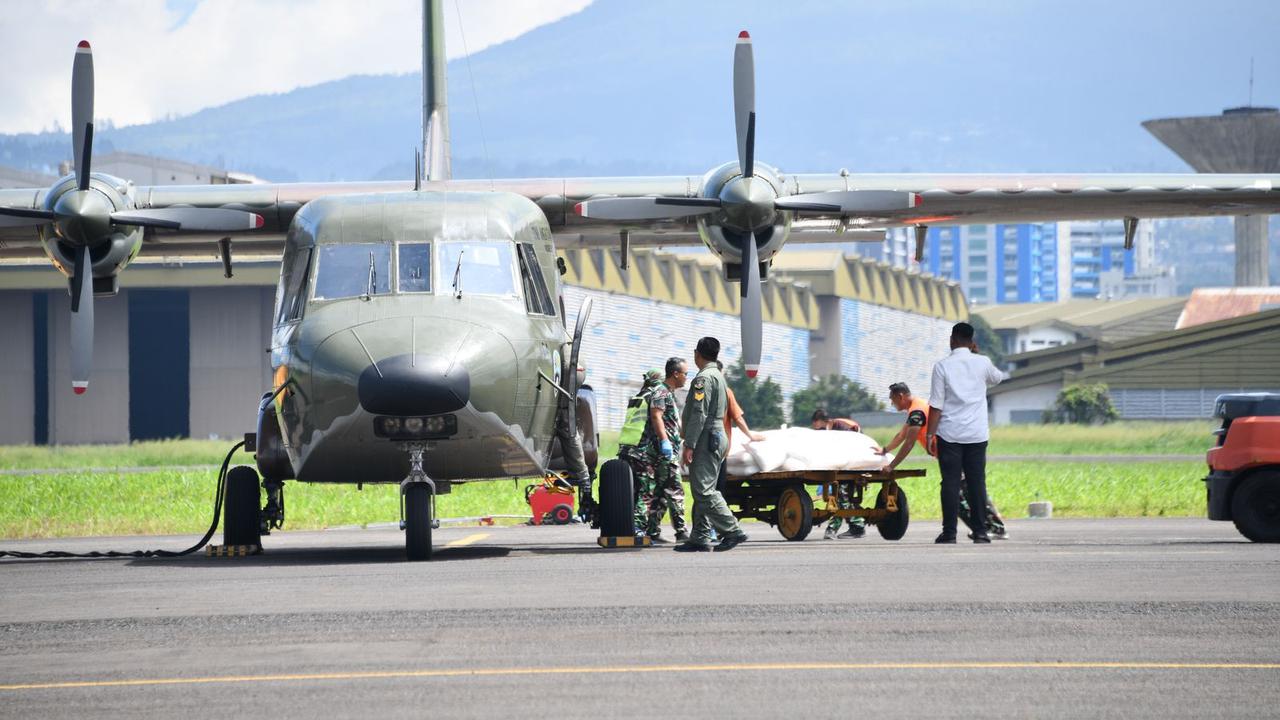
Weather Modification Operations Appreciate the Risk of Further Extreme Flooding in Aceh and Sumatra

By: Lailani Yunzi Anggraini )*
The government’s Weather Modification Operation (OMC) in Aceh and several provinces on Sumatra Island deserves widespread appreciation as a strategic step to reduce the risk of further extreme flooding. Amidst the dynamic weather conditions still at the peak of the rainy season, this policy demonstrates the government’s responsiveness, science-based approach, and prioritizes public safety. Rainfall control efforts through atmospheric technology are not merely a short-term response but also part of disaster risk management that is increasingly adaptive to climate change.
In recent times, Sumatra has faced the challenge of extreme weather due to the influence of tropical cyclones in the surrounding region. Repeated heavy rainfall triggered flooding and landslides in Aceh, North Sumatra, and West Sumatra. This situation demanded swift action to prevent widespread impacts and ensure optimal emergency response. The government, through coordination across ministries and agencies, then activated weather modification operations to divert potential rainfall from land to the sea, thereby reducing water discharge in rivers and flood-prone areas.
The Ministry of Human Development and Culture emphasized that this operation was carried out as a preemptive measure to minimize rainfall in the affected areas. The government views accelerating the receding floodwaters as crucial to ensure optimal evacuation of residents, aid distribution, and restoration of public facilities. Furthermore, although one of the tropical cyclones causing extreme rainfall has subsided, vigilance remains maintained due to the potential for further weather disturbances in northern Sumatra. This approach reflects the nation’s precautionary approach and readiness to address climate uncertainty.
The effectiveness of weather modification operations was also confirmed by an evaluation by the National Disaster Management Agency (BNPB). The BNPB assessed that the implementation of OMC for approximately one month successfully reduced rainfall intensity in several affected areas. Data showed that the number of days without rain was higher than the number of rainy days during that period. Although high-intensity rainfall still occurs sporadically in some areas, this is understood to be a consequence of the highly dynamic weather at the peak of the rainy season. However, overall, the risk of further extreme flooding is manageable.
Coordination between the National Disaster Management Agency (BNPB), the Meteorology, Climatology, and Geophysics Agency (BMKG), and the Indonesian National Armed Forces (TNI) continues to be strengthened to ensure optimal rainfall management. As of the latest evaluation, no additional casualties or new impacts were reported beyond the previous floods and landslides. This is a crucial indicator that the mitigation measures taken are on track and provide space for the community to gradually begin restoring social and economic activities.
Beyond just technology, the success of weather modification operations is also supported by the synergy and mutual cooperation of various parties. Local governments, volunteers, community organizations, and even local communities are actively involved in emergency response and post-disaster recovery. This collaboration demonstrates that effective disaster mitigation cannot stand alone but requires integration between national policies, regional capacity, and public participation. In this context, the OMC serves as a supporting instrument that strengthens humanitarian efforts on the ground.
Appreciation of OMC also needs to be placed within the framework of building long-term disaster resilience. Climate change has increased the frequency and intensity of extreme weather events, making conventional approaches inadequate. The use of weather modification technology demonstrates the government’s commitment to adapting to these new challenges. However, going forward, this step needs to be complemented by strengthening early warning systems, sustainable spatial planning, and public education on disaster preparedness.
On the other hand, weather modification operations should not be viewed as a sole solution. The government still needs to ensure that structural efforts such as river normalization, drainage improvements, and watershed rehabilitation are carried out in tandem. This way, flood risks will not only be reduced during emergencies but also prevented upstream through environmentally friendly development policies. Integrating technology, infrastructure, and social awareness will be key to addressing future climate challenges.
Overall, weather modification operations in Aceh and Sumatra demonstrate the country’s commitment to protecting its citizens from the threat of hydrometeorological disasters. The reduced risk of subsequent extreme flooding, the smooth evacuation process, and the stability of post-disaster conditions are clear evidence of the benefits of this policy. With ongoing evaluation and strengthened cross-sector collaboration, weather modification operations can continue to be developed as an integral part of the national disaster risk reduction strategy. Public appreciation for this initiative is crucial to fostering a collective spirit in building national resilience to natural disasters.
)* The author is a social and community observer
