
By: Arifah Winarni *)
From a policy management perspective, effective downstreaming goes beyond simply adding factories or banning raw material exports. It also builds a value-added ecosystem that connects investment, local suppliers, talent, and markets, creating quality jobs. Policy design is tested on three fronts: favoring local actors, certainty and speed of execution, and multiplying economic benefits down to small-scale producers. The government is currently developing such a framework, from strengthening regional value chains, aligning campuses with industry, to strategic partnerships in the food and petrochemical sectors to ensure a more equitable workforce absorption effect.
Special Staff to the Minister of Investment and Downstreaming, Sona Maesana, views downstreaming as a matter of added value, economic independence, job creation, and the future direction of the nation. He believes that experience in the business world and current policy demonstrates that sustainable downstreaming is only possible if the investment ecosystem is healthy and there is a bias towards local entrepreneurs. Therefore, he emphasizes the integration of local and foreign actors, incentives for investors who foster local industries, and transparent regulations to reduce overlapping permits. More broadly, he sees downstreaming as not stopping at minerals and metals, but also extending to the digital, agricultural, pharmaceutical, and creative sectors, including connecting health startups with state-owned pharmaceutical companies, connecting farmers with industrial buyers via local platforms, and commercializing campus innovations through research downstreaming schemes.
Policies don’t operate in a vacuum; they require a network of partnerships. The Indonesian Industrial Estate Association (HKI) recently signed a memorandum of understanding with the Ministry of Investment and Downstreaming/BKPM and the Ministry of Higher Education, Science, and Technology, witnessed by President Prabowo Subianto. HKI Chairman Akhmad Ma’ruf Maulana assessed the collaboration as part of the realization of Asta Cita (Association of Indonesian Industrial Estates) to promote economic independence, strengthen sustainability, and accelerate technological innovation as pillars of growth. He emphasized HKI’s role as a bridge between the industrial sector and educational institutions, along with the government, to create knowledge- and innovation-based competitiveness. This includes aligning industrial curricula, research collaboration to accelerate downstreaming and attract investment, and increasing investment competitiveness through the creation of superior human resources.
At the regional level, a concrete example comes from Aceh. The Head of the Aceh Agriculture and Plantation Agency, Cut Huzaimah, is pushing for a halt to raw rubber exports because the processing plant in West Aceh, PT Potensi Bumi Sakti (PBS), is ready to absorb all local production. She views this step as crucial for encouraging downstream processing, creating jobs, and improving welfare. The factory sits on 25 hectares of land with a capacity to process 2,500 tons of dry rubber per month, and she emphasized the importance of maintaining investment security and stability so that the benefits can be felt by the Acehnese people. On the regional policy side, supply chain integration is a focus, while other initiatives, such as rice milling in North Aceh, demonstrate that downstream processing is not a monopoly on one commodity, but rather an industrial mindset that embraces natural resources.
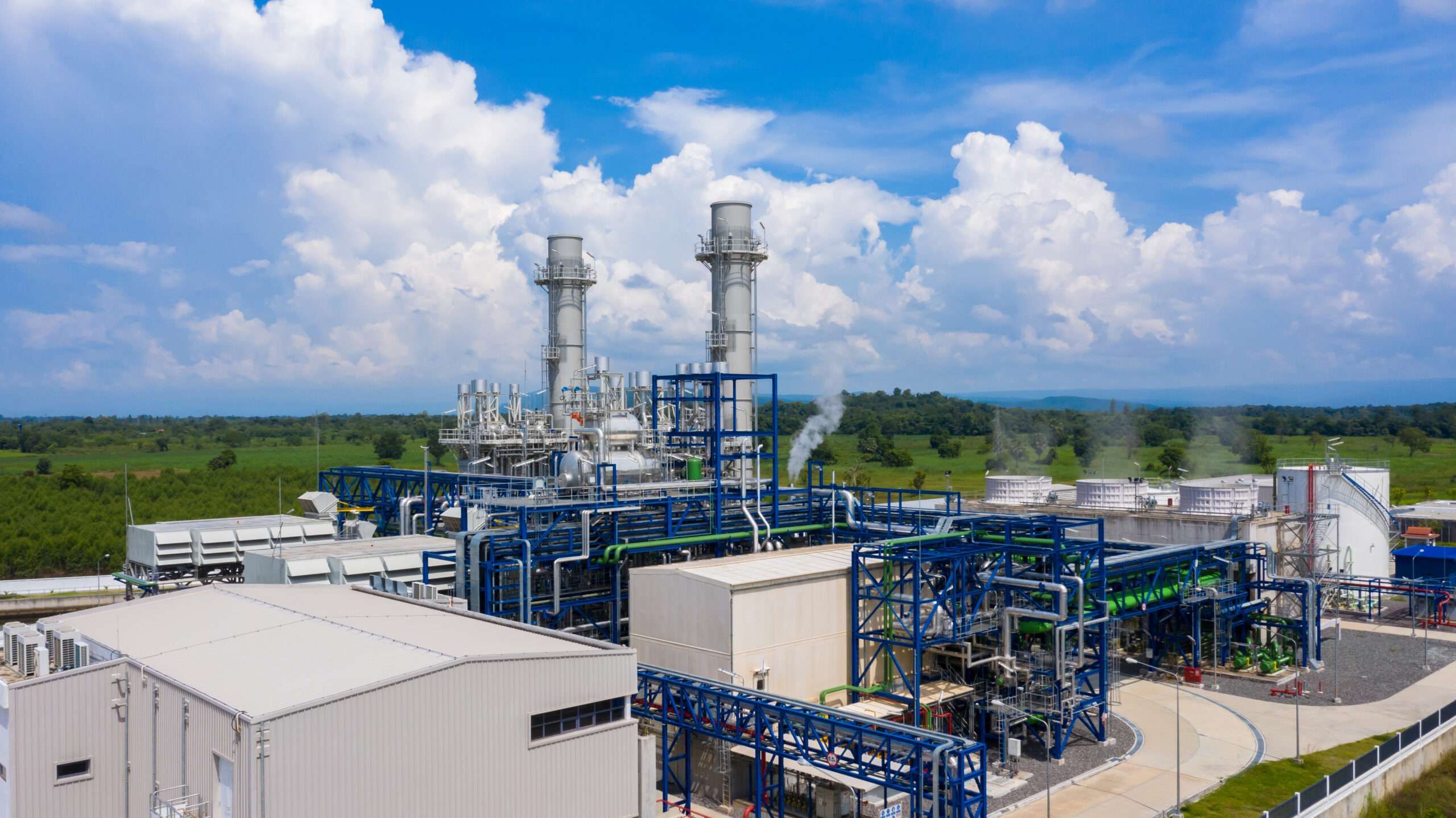
In the food-petrochemical cluster, cross-border partnerships strengthen the foundation of downstreaming. President Director of PT Pupuk Indonesia (Persero), Rahmad Pribadi, explained the expansion of cooperation with Petronas Chemicals Group Berhad to strengthen national and regional food security and encourage downstreaming of fertilizers and petrochemicals. The scope includes synergies in urea and ammonia supply, transfer of technical and operational knowledge, and strengthening Health, Safety, and Environmental (HSE) governance. He also conveyed an agreement on a joint feasibility study for the development of methanol plant technology so that downstreaming of petrochemicals can reduce dependence on imports and promote energy independence. For the company, this collaboration is not merely about product supply, but also about strengthening operational reliability, technological mastery, and partnership networks to strengthen the competitiveness of the national industry in facing global challenges.
From a public policy management perspective, the common thread is clear: the government plays the role of ecosystem architect. Local-foreign integration and rapid licensing, the intellectual property rights agenda that connects campuses and industry, Aceh’s move to lock in raw materials for local processing, and the Pupuk Indonesia partnership to expand downstream processing in petrochemicals all point to “governance of delivery”—how decisions translate into jobs. Common criticisms of downstream processing typically focus on the risk of enclaves—added value accumulating in a few locations. This is where policy design hedges outcomes with prerequisites for local partnerships and knowledge transfer, as Sona Maesana underscored when emphasizing that the investment pursued should not be simply fast, but rather one that grows alongside the local ecosystem. The Aceh case demonstrates how the key policy—retaining raw materials for local processing—needs to maintain investment stability and supply integration so that the impact directly reaches farmers and workers. Meanwhile, the Pupuk Indonesia partnership demonstrates how downstream processing in strategic sectors strengthens competitiveness without compromising safety and environmental standards.
Ultimately, the success of downstreaming is measured by how many families improve their livelihoods and how strong the industrial competencies we build. By reading policy signals—integration of local and foreign actors, accelerated licensing, binding raw materials to local areas, and technological partnerships in petrochemicals—we see an agenda moving from discourse to implementation. This downstreaming model not only adds numbers to the balance sheet but also flows added value to workers, farmers, and SMEs. That is the essence of a public policy that benefits from creating jobs, growing national capacity, and upholding sustainable economic independence.
*) The author is a Public Policy Observer
