
By: Nancy Dora
Downstreaming has become a key strategy that not only drives economic growth but also creates millions of new jobs in various strategic sectors. This policy has proven to be effective in shifting the development paradigm from merely exporting raw materials to producing high-value-added goods, thereby creating extensive employment opportunities for the community. Supported by investment, technological innovation, and cross-sector collaboration, downstreaming is now seen as a vital instrument for strengthening national competitiveness.
Minister of Agriculture Andi Amran Sulaiman emphasized that the plantation sector has significant potential for downstream processing, absorbing up to 8.6 million workers, from cultivation to processing. Commodities such as coconut, cocoa, cashew, coffee, palm oil, and cotton, when processed into high-value derivative products, can generate multiple benefits for farmers and domestic industries. For example, coconuts can be converted into Virgin Coconut Oil (VCO), with a selling price that significantly increases compared to raw coconuts. He believes that the added value of commodities should be enjoyed domestically and become a lever for farmer welfare, not just for the benefit of foreign markets.
This commitment is further reinforced by an appeal to the younger generation, particularly members of the Indonesian Young Entrepreneurs Association (HIPMI), to actively participate in the development of agricultural downstream processing. With its abundant natural resources and year-round production capacity, Indonesia is strategically positioned to dominate the global supply chain for agricultural derivative products. The role of young entrepreneurs is crucial in bringing fresh ideas, developing innovations, and building international marketing networks that can elevate local products to the global stage.
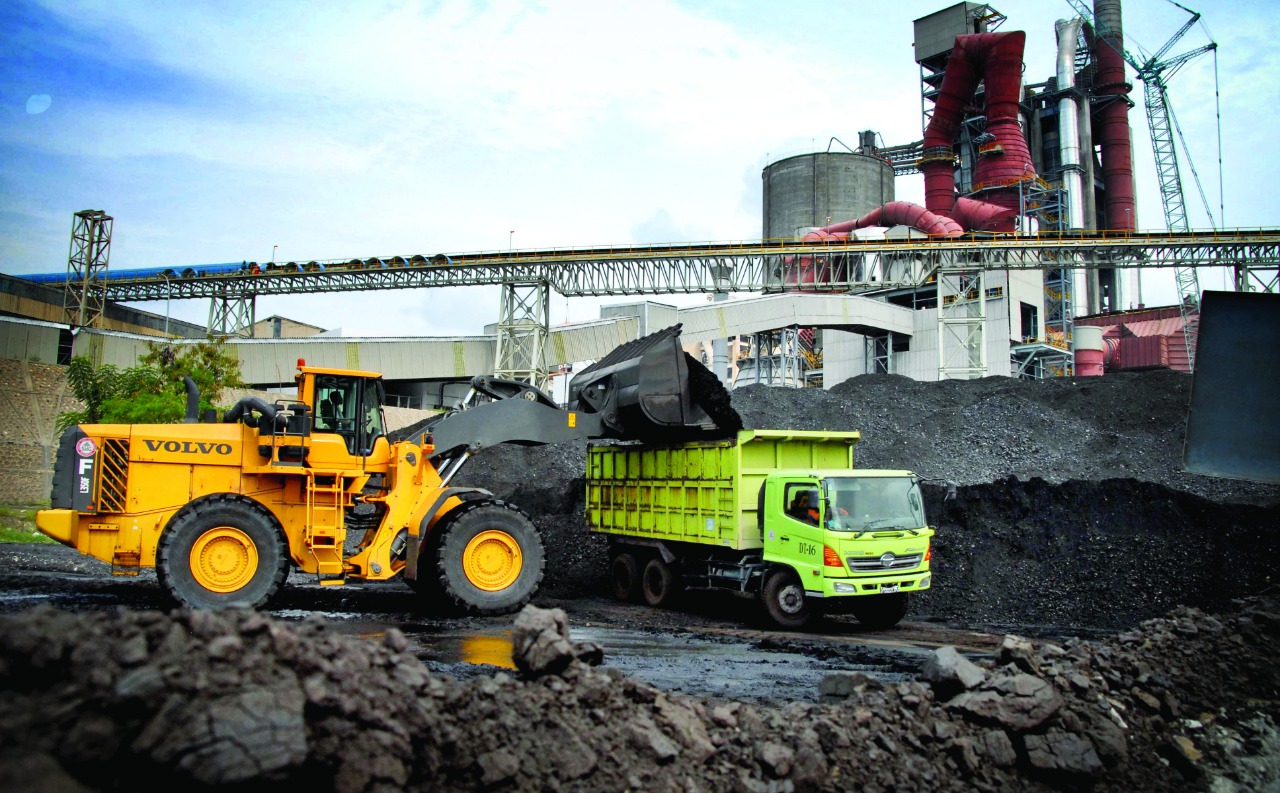
In terms of energy and mineral resources, Minister of Energy and Mineral Resources Bahlil Lahadalia revealed that there are 18 downstream projects with the potential to create 276,636 direct and indirect jobs. These projects cover downstream sectors in the mineral and coal, agriculture, maritime affairs, energy transition, and energy security sectors. The investment value reaches tens of billions of US dollars, with significant employment absorption across various regions of Indonesia. The wages offered are also promised to be higher than the minimum standard, further attracting skilled workers to participate in these projects.
In addition to creating jobs, downstreaming in the energy and mineral and coal sectors is expected to promote economic equality across regions. Strategic project locations like these will spur infrastructure development, increase local economic activity, and revitalize supporting sectors such as transportation, construction services, and trade. Collaboration between the government, businesses, and global investors is crucial to ensuring the successful implementation of these projects.
A concrete example of successful downstreaming can be seen in the MIND ID Group’s strategic initiative in Mempawah, West Kalimantan, through integrated aluminum downstreaming from upstream to downstream. This project has created approximately 3,130 direct jobs, ranging from the operation of the Smelter Grade Alumina Refinery (SGAR) Phases I and II, to the construction of a new aluminum smelter and bauxite processing facility. Each employed worker also receives training and skills development programs, thereby increasing the capacity and competitiveness of the local workforce in the long term.
This initiative not only creates jobs in the primary sector but also has a significant multiplier effect on supporting sectors. The logistics, transportation, MSMEs, and construction services industries are also boosted by downstream projects. By directly involving the local community, the positive impact extends to various levels of the regional economy, creating an inclusive and sustainable industrial ecosystem.
In the context of national development, downstreaming is a concrete manifestation of the constitutional mandate that natural resources must be utilized optimally for the prosperity of the people. This approach offers dual benefits: optimizing the added value of commodities while creating extensive employment opportunities for the local workforce. Successful downstreaming requires careful planning, substantial investment support, and a commitment from all parties to continuous innovation and environmental sustainability.
With strong synergy between the government, business, and the community, downstreaming has the potential to be a key driver in creating millions of new jobs. Each project undertaken is not simply a physical development, but also an investment in improving the quality of human resources. Through training, technology transfer, and strengthening local capacity, downstreaming can ensure that economic growth is inclusive and equitable across Indonesia.
Going forward, the biggest challenge will be maintaining policy consistency and ensuring that every downstream program truly runs according to plan. Adaptive regulatory support, streamlined licensing, and guaranteed investment certainty are needed to keep businesses and investors interested in investing in this sector. Downstream processing is not only about processing raw materials into finished products, but also about building economic independence, reducing dependence on imports, and expanding job opportunities for future generations.
With such enormous potential, downstreaming must remain a top priority for national development. Through an integrated and collaborative approach, Indonesia can maximize its resources to create millions of new jobs, strengthen economic resilience, and ensure more equitable social welfare.
*The author is an economist
