
By: Yudhistira Wijaya)*
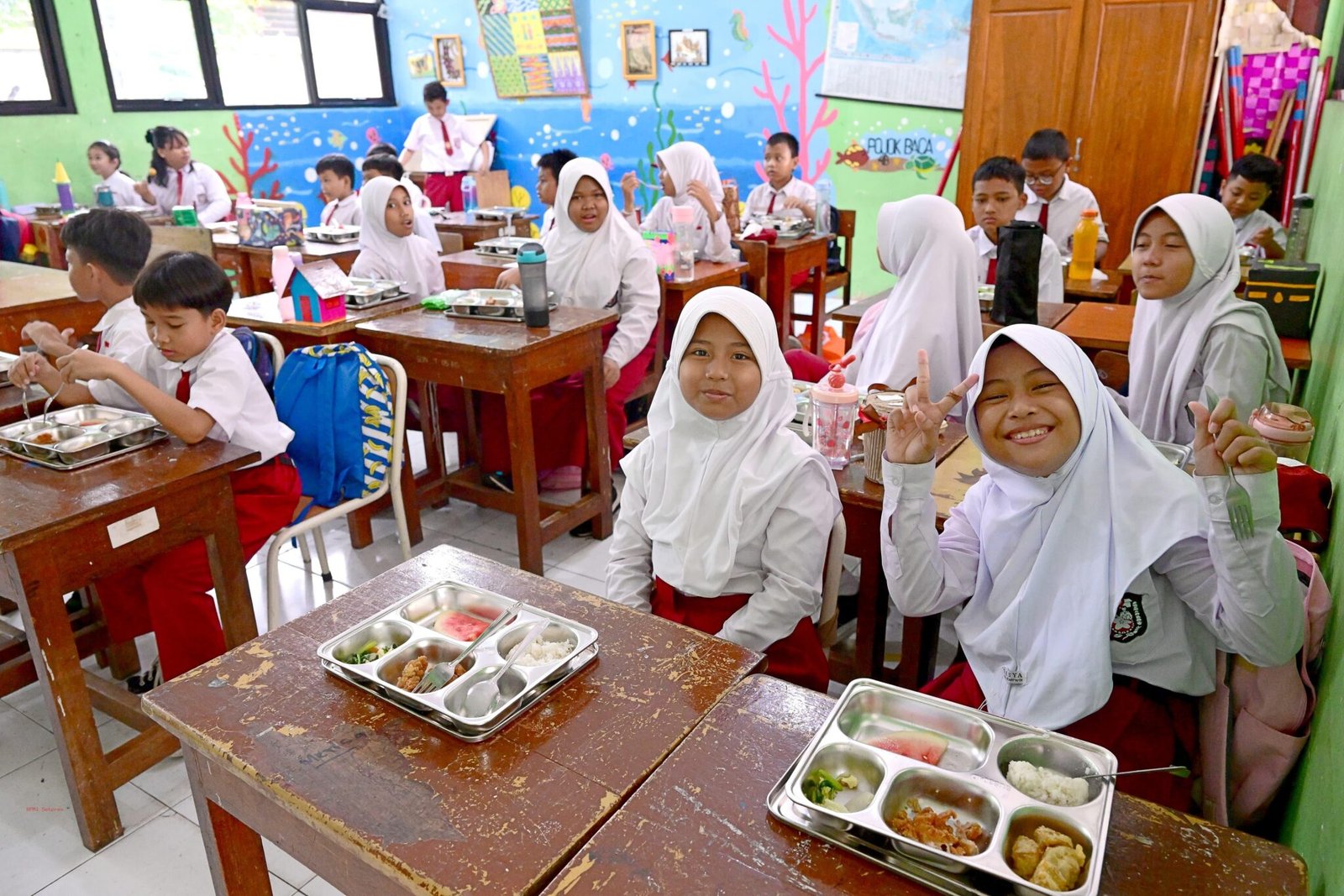
The Free Nutritious Meals (MBG) program, initiated by the Indonesian government, is a major effort to improve the quality of life for the nation’s children. As part of its commitment to ensuring adequate nutrition for future generations, this program provides free nutritious meals to schoolchildren.
However, amidst this ambitious program, a number of recent food poisoning incidents have raised public concern. Therefore, the Indonesian government is taking strategic steps to improve the quality of MBG through stricter supervision and certification.
The government, through the Ministry of Health, plans to increase oversight of kitchens participating in the MBG program. Health Minister Budi Gunadi Sadikin emphasized that these kitchens are required to obtain three types of certification as initial standards to ensure the quality of the food served. The first certification is the Hygiene Sanitation Certificate (SLHS), issued by the Ministry of Health, which ensures that kitchen facilities and equipment meet strict hygiene standards.
Furthermore, MBG kitchens must also be Hazard Analysis and Critical Control Points (HACCP) certified. This certification is crucial because it focuses on food safety, from raw material selection to the food preparation process. HACCP aims to prevent potential risks that could harm children’s health, such as bacterial contamination or hazardous materials.
Third, halal certification, administered by the Halal Product Guarantee Agency (BPJPH), is also a requirement for MBG kitchens. This certification is essential to ensure that the food served to children complies with religious teachings and does not contain undesirable ingredients.
A recent achievement in the MBG program that deserves recognition is the increasing number of kitchens with SLHS certification. Ministry of Health data indicates that initially only 20 Cluster Food Management Units (SPPG) held this certification, but now the number has grown to over 100.
The government aims to have all MBG kitchens across Indonesia obtain this certification within the next month. This demonstrates the government’s commitment to improving the quality of this program and ensuring that the food provided to children is truly safe and healthy.
Furthermore, the government is also expediting the certification process with support from the Food and Drug Monitoring Agency (BPOM). Coordinating Minister for Food, Zulkifli Hasan, emphasized that all steps taken in overseeing the MBG program are transparent and accountable.
This aims to not only reassure the public but also demonstrate that the government is committed to safeguarding the health of Indonesian children. The success of this certification demonstrates the government’s commitment to ensuring the safety and quality of food provided to the nation’s future generations.
SLHS, HACCP, and BPJPH certification are crucial steps to improve food hygiene and safety standards in MBG kitchens. This certification not only provides a sense of security for parents whose children participate in the MBG program, but also provides legal certainty that the food consumed by children has been processed in accordance with national and international standards. This certification also serves as a clear benchmark for the government and the public to assess the quality of food served in the MBG program.
Furthermore, this certification can also serve as a catalyst to encourage kitchen managers across Indonesia to be more serious about maintaining food hygiene and safety. In the long term, this can reduce the risk of food poisoning incidents, as has happened in the past. With stricter certification, the government ensures that the MBG program not only provides adequate nutrition but also addresses broader health aspects.
The MBG program, which currently reaches more than 6,000 schools across Indonesia, is expected to expand its reach and improve the quality of its management in the future. The government plans to increase the number of kitchens receiving hygiene certification to 9,000 SPPGs within the next month. This is not just a number, but a real commitment to ensuring that every Indonesian child can enjoy nutritious and safe food.
This achievement is highly relevant to the current situation, where many schools in remote areas require increased attention to ensuring children’s nutritional needs. With the increasingly high-quality MBG program, the government also hopes to reduce stunting and other malnutrition issues in Indonesia. Through these measures, the government strives not only to improve the quality of life for children but also to ensure a healthy and intelligent future for the nation.
The government’s efforts to improve the quality of MBG through stricter certification and improved monitoring standards demonstrate its commitment to protecting the health of Indonesian children. With SLHS, HACCP, and halal certification, it is hoped that the quality of food provided under the MBG program will continue to improve, ensuring a safer and more beneficial program.
The government remains committed to continuing the MBG program despite various challenges, and ensuring that every child in Indonesia receives balanced and safe nutrition. Going forward, this certification will serve as a solid foundation for creating a healthier and smarter future for Indonesia.
)* The author is an observer of nutrition and food policy
