

By: Ricky Rinaldi
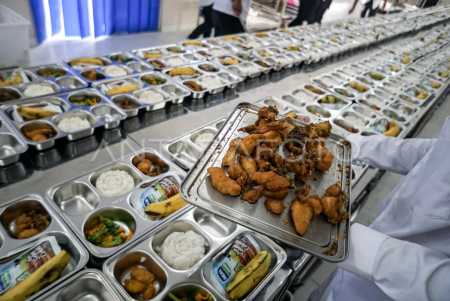
The Free Nutritious Meals (MBG) program has now become a central focus of the government as an effort to build the future of the nation from its most fundamental foundation: the health and nutrition of children. The central government, through the Ministry of Home Affairs (Kemendagri), is urging all regional governments (pemda) to collaborate and ensure the success of this program. Minister of Home Affairs Tito Karnavian stated that the success of MBG is not solely the responsibility of the central government but must actively involve the regions with full commitment.
Tito emphasized that local governments play a crucial role, as they are on the front lines of public service delivery. Local governments are asked to prepare accurate data, allocate suitable budgets, and coordinate with the relevant ministries and agencies. According to him, data accuracy is vital to ensure that the distribution of nutritious food is well-targeted, preventing over- or under-supply. He also highlighted the importance of local governments in providing supporting facilities such as public kitchens, cooking staff, and a clean and efficient food distribution system. In this regard, the quality and sustainability of the program rely heavily on the preparations made at the local level.
The MBG program is not just about food distribution; it is also about building a sustainable ecosystem. Therefore, Tito encourages collaboration between local governments and various elements of society. Local governments are expected to work together with cooperatives, farmer groups, and local MSMEs to supply healthy and nutritious local food. This collaboration will not only ensure a sustainable supply of quality nutrition but also positively impact the local economy. According to Tito, the success of this program depends on the ability of local areas to utilize local potential, which will also strengthen food security at the regional level.
President of the Republic of Indonesia, Prabowo Subianto, has also voiced full support for the MBG program. In a statement in early May, the President affirmed that the program will continue to be implemented even without assistance or recognition from external parties. The President views this program as the right step because it is a real investment in the nation’s future generations. He also stated that reducing poverty and improving community nutrition are priorities that cannot be postponed. In Prabowo’s view, the country must focus more on addressing fundamental issues such as malnutrition, which hinders children from reaching their full potential and achieving a better future.
The President believes that the success of the MBG program will heavily depend on its sustainability and consistency in implementation. He emphasized that, despite challenges on the ground, such as distribution issues and difficulties in remote areas, this program must continue with high spirit and determination. Prabowo also stated that the government will continue to improve the quality of distribution and oversight to prevent any misuse that harms the communities in need. He believes that, despite obstacles, with good synergy between the central and regional governments, this program can solve the issues of poverty and malnutrition that have plagued many regions.
Regarding several technical incidents on the ground, such as food poisoning cases in some areas, the President views these incidents as isolated and not representative of the entire program’s implementation. He stressed the importance of evaluation and improvements but stated that one or two cases should not hinder a national program with such broad benefits. Prabowo added that the government continues to work to ensure the quality and safety of the food distributed to children in schools and other communities. He emphasized that program evaluation is essential to address any shortcomings, and the government is ready to implement the necessary corrective measures.
Meanwhile, the Ministry of Home Affairs continues to build synergy with other ministries, such as the Ministries of Education, Health, and Social Affairs, to ensure that the MBG program runs efficiently without overlapping budgets. Tito emphasized that this program concerns children’s basic rights and should be a priority in regional budget planning. He reminded that the funds allocated for MBG should not be considered an additional project but as part of a main strategy for human development. Tito also urged that the funds allocated for this program should not only be used for short-term purposes but must also consider the program’s sustainability in the future.
The primary target of the MBG program is school-age children, particularly those from underprivileged families living in areas with high nutritional risk. The government is determined to ensure that no child goes to school hungry, as this condition will disrupt their learning process and development. Tito also asked local governments to map out the areas most in need of immediate intervention, such as underdeveloped, leading, and outermost (3T) areas, as well as post-disaster zones. This is important to ensure that every region, whether in central or remote areas, receives equal attention and access to nutritious food.
The MBG program is seen as part of a long-term effort toward Indonesia Gold 2045. By ensuring children’s nutritional intake is met from an early age, the government hopes to produce a generation capable of competing globally. President Prabowo affirmed that this program is not merely a social aid but a significant strategy to build resilient, healthy, and intelligent Indonesians. He sees the success of the MBG program as a great starting point for improving Indonesia’s human resources quality, which, in turn, will support the nation’s economic and social progress.
Furthermore, Prabowo mentioned that MBG would open up significant opportunities for the local agricultural sector and the creative economy. This program could be a turning point to energize sectors that have not fully contributed to the national economy. With support from various parties, such as MSMEs and cooperatives, the government hopes that this program can bring broader positive impacts, not only for the children who directly benefit from it but also for society as a whole.
*) Strategic Issues Observer
