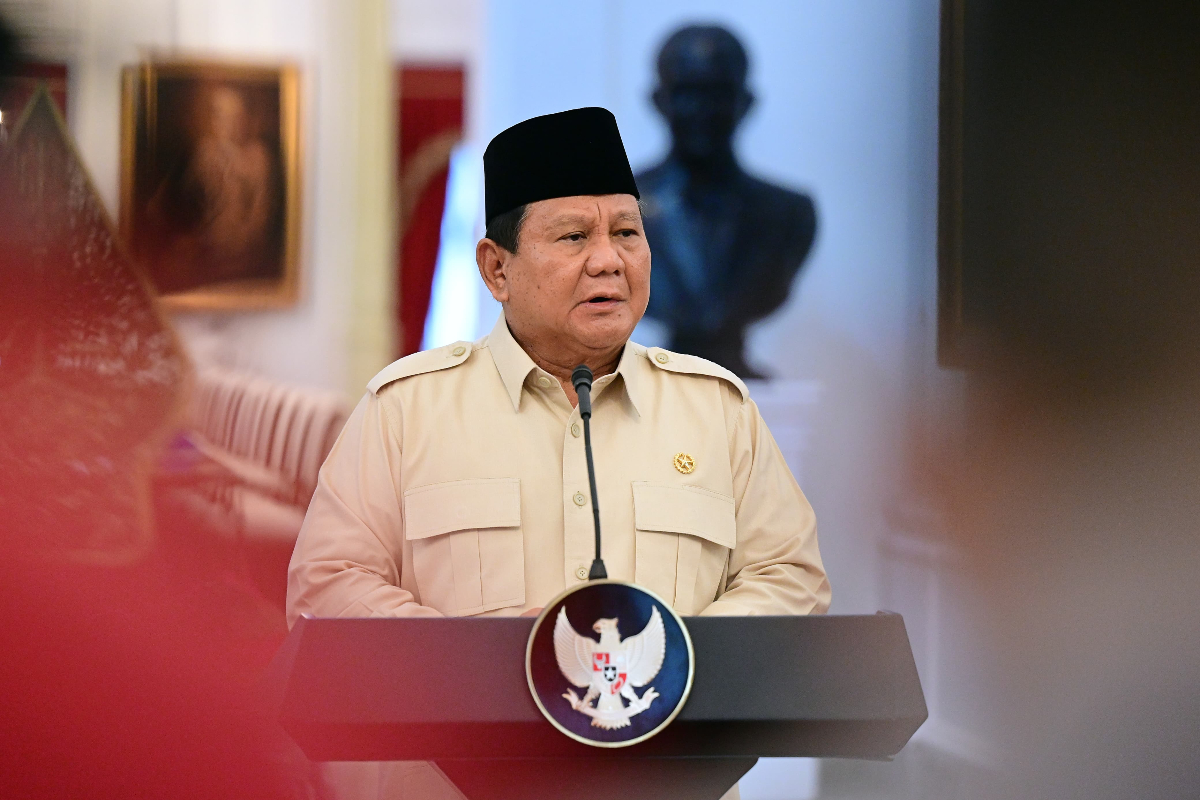
One Year of Prabowo–Gibran: MBG as a Major Milestone in Nutrition Synergy and People’s Economic Empowerment

Jakarta — The first year of President Prabowo Subianto and Vice President Gibran Rakabuming Raka’s administration has been marked by a monumental achievement through the Free Nutritious Meals (MBG) program — a national movement that unites social, health, and economic missions under one vision. Launched in early 2025, the program stands as concrete proof of the government’s commitment to strengthening the foundations of nutrition and community welfare at the grassroots level.
According to data from the National Nutrition Agency (BGN), more than 1.1 billion portions of nutritious meals have been served to the Indonesian population. The program has reached 35.4 million beneficiaries, including schoolchildren, toddlers, pregnant women, and breastfeeding mothers.
“This program is not merely about lunch; it is a long-term investment to nurture a generation of Indonesians who are healthy, intelligent, and productive,” said BGN Head Dadan Hindayana.
However, the excellence of the MBG program extends beyond health. The government emphasizes that MBG has also become a driving force for the people’s economy. As of October 2025, BGN recorded the operation of more than 11,570 Local Nutrition Service Units (SPPGs) across the country, including in 3T regions (frontier, remote, and underdeveloped areas). Through this vast network, more than 394,748 new jobs have been created — from farmers and livestock breeders to meal preparers. President Prabowo even projected that this number could reach 1.5 million new workers by early 2026.
“The MBG program has opened up a new market for the people’s economy. Farmers and breeders now have guaranteed absorption of their local produce — from rice and eggs to vegetables and animal protein,” President Prabowo stated in an official address.
The Ministry of Cooperatives and MSMEs reported that thousands of small and medium enterprises have joined the MBG supply chain. Of the total program budget, 85 percent is allocated for the procurement of raw materials sourced from agriculture, fisheries, and plantation sectors.
“We want to ensure that at least 60 percent of MBG’s raw materials come from MSME products. This is a tangible step to ensure that the economic benefits are felt directly by the people,” said Deputy for Micro Enterprises Riza Damanik.
Beyond stimulating the economy, MBG has also accelerated the equitable development of national nutrition infrastructure. Hundreds of regional task forces have been formed to expedite the construction of SPPG facilities in 3T regions, supported by the Ministry of Home Affairs and the Ministry of Public Works and Housing (PUPR).
To maintain food quality and safety, President Prabowo has also instructed the enhancement of food processing standards across all MBG kitchens — including the use of ultraviolet washing technology, certified water filtration systems, and mandatory hygiene certification for kitchen workers.
Through these measures, the MBG program has become not only a symbol of social justice, but also a blueprint for inclusive development, where nutrition, welfare, and economic empowerment grow hand in hand for the prosperity of all Indonesians.
