
The MBG Embody the Spirit of the Youth Pledge, Strengthening a Healthy and Intelligent Generation

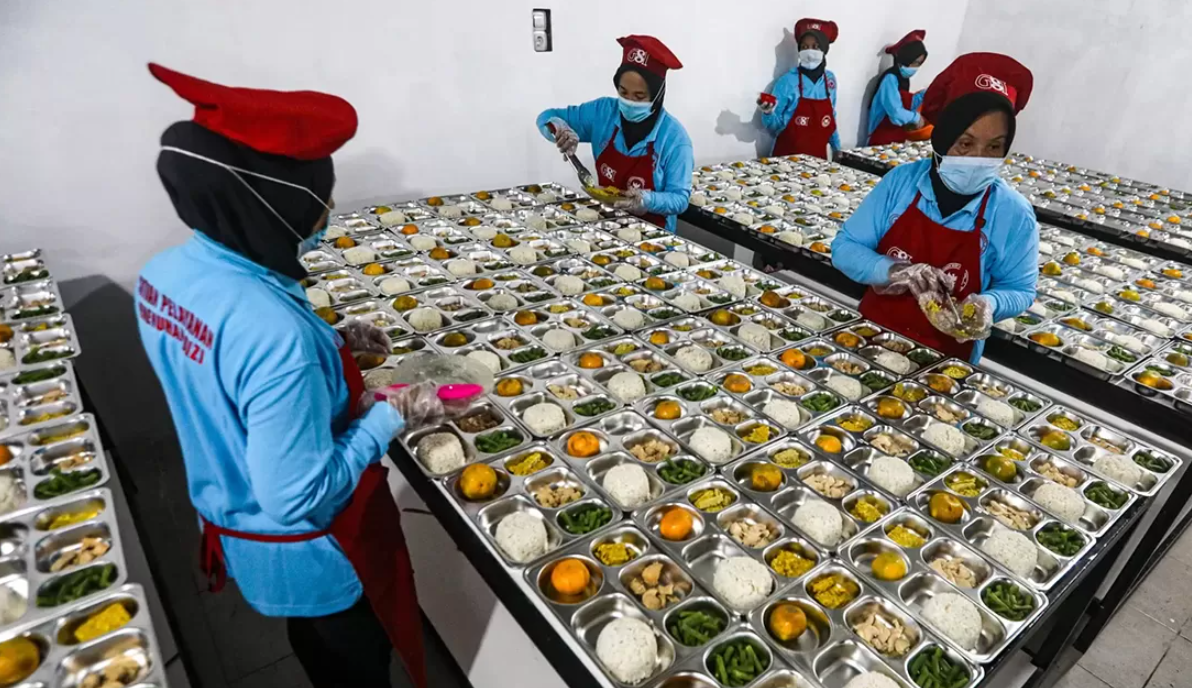
Jakarta – The spirit of unity in commemoration of Youth Pledge Day was once again echoed through a national policy focused on developing the quality of the younger generation. The government reaffirmed its commitment to developing superior human resources through the Free Nutritious Meals (MBG) Program, part of its strategy to meet the nutritional needs of school children across Indonesia.
Edy Wuryanto, a member of Commission IX of the Indonesian House of Representatives (DPR RI), assessed that this program represents a crucial opportunity to strengthen human quality from an early age. “MBG has the potential to be a strategic step in improving the quality of human resources from an early age,” he said. He emphasized that its implementation must be synergistic. “MBG implementation must be collaborative across sectors to ensure it is targeted and able to reduce stunting rates,” Edy emphasized. He believes that a healthy young generation will grow up more productive, focused on learning, and ready to compete in the future.
The MBG is seen as continuing the spirit of the Youth Pledge, which prioritizes the nation’s future. The government affirms that every child has the right to access adequate nutrition as a form of equal opportunity. Within this national narrative, meeting the need for healthy food is part of the struggle to achieve social justice.
The nutritious school meal program is also said to support the local economy and enhance national food security. The government hopes its impact will not only be felt in improving children’s health but also in boosting learning productivity and reducing the risk of diseases caused by malnutrition.
Wahyu Pudji Nugraheni, Head of the BRIN Public Health and Nutrition Research Center, assessed that this program has a broad impact on the well-being of the younger generation. “MBG can be a catalyst for improving the quality of life for the community, especially adolescents,” he said. He added that adequate nutrition makes students more prepared to learn and has a better psychological state.
Meanwhile, the Head of the BRIN Health Research Organization, Prof. Luh Putu Indi Dharmayanti, emphasized the importance of early nutritional intervention. “MBG is a long-term strategy to improve the community’s nutritional status while reducing the risk of non-communicable diseases,” she said. Indi believes the rise in diseases such as diabetes and hypertension requires a research-based approach to ensure that their treatment is not partial.
BRIN ensures continued research support is developed to strengthen the program’s success. “A scientific approach must ensure the MBG is effective and reaches vulnerable groups,” Indi said.
Through the Youth Pledge Movement (MBG), the government conveys the message that strengthening human resources is the primary foundation for achieving a Golden Indonesia. This program is seen as a concrete effort to continue the spirit of the Youth Pledge in nation building. The government emphasizes that Indonesian children must grow up healthy, intelligent, and prepared to maintain unity for the future of the country.
