
JAKARTA — The government’s commitment to strengthening human rights protection has been reaffirmed through the ratification of the Witness and Victim Protection Law (PSDK Law). This policy reflects the government and the House of Representatives’ (DPR) progressive steps in creating a more just and inclusive legal system that provides optimal protection for the public.
The Indonesian House of Representatives (DPR) unanimously approved the draft law during its 17th plenary session of the 2025–2026 fourth session at the Parliament Complex in Senayan, Jakarta. Speaker Puan Maharani, who presided over the session, sought approval from all council members before ratifying the bill.
“We ask all honorable participants again whether the PSDK Bill can be approved for ratification into law. Agree?” he said, to which a unanimous affirmative was immediately answered.
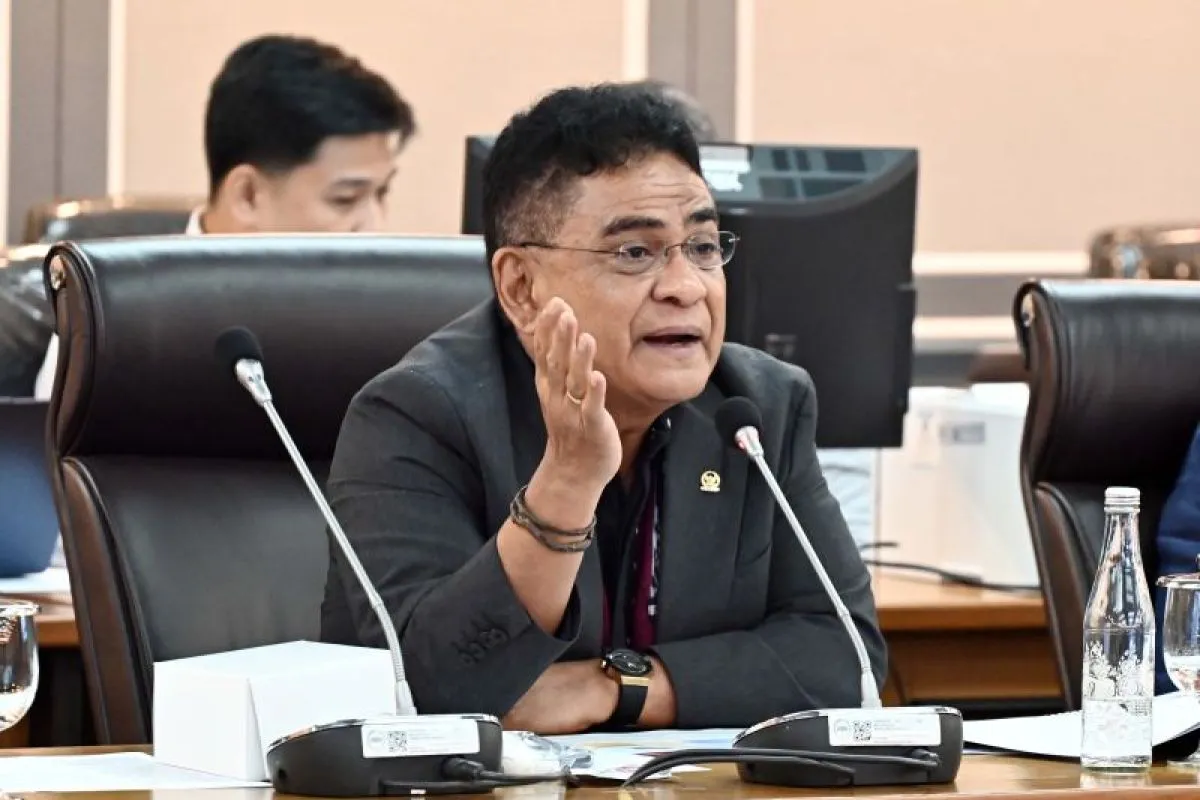
The ratification of the PSDK Law marks a significant milestone in the reform of the national criminal justice system. Deputy Chairman of Commission XIII of the Indonesian House of Representatives (DPR RI), Andreas Hugo Pareira, explained that this regulation is comprehensively structured, comprising 12 chapters and 78 articles, encompassing 11 main points. One crucial point is the expansion of protection, not only for witnesses and victims, but also for reporters, informants, experts, and witnesses who are vulnerable to pressure.
“This PSDK Bill strengthens the position of the Witness and Victim Protection Agency as an independent state institution free from the influence of those in power,” said Andreas. He also added that LPSK representatives will be established in the regions to expand the reach of protection services.
Furthermore, this law introduces a breakthrough through a compensation scheme and a victim endowment fund. The state guarantees victim recovery, particularly in cases of gross human rights violations, terrorism, human trafficking, and sexual violence, ensuring that victims continue to receive their rights.
Minister of Law Supratman Andi Agtas emphasized that this regulation addresses increasingly dynamic legal needs. “This law places witnesses and victims on equal footing in the criminal justice system,” he said. He emphasized that restorative and rehabilitative justice approaches are now being further strengthened.
By passing the PSDK Law, the government and the House of Representatives (DPR) have demonstrated a real commitment to strengthening legal and human rights protection, while simultaneously increasing public confidence and security in the Indonesian justice system.
