
Jakarta – The Indonesian economy remains stable despite increasing global pressures resulting from geopolitical conflicts, supply chain disruptions, and high international interest rates. This condition confirms that the national economy remains on a solid and controlled path, in line with various government policies.
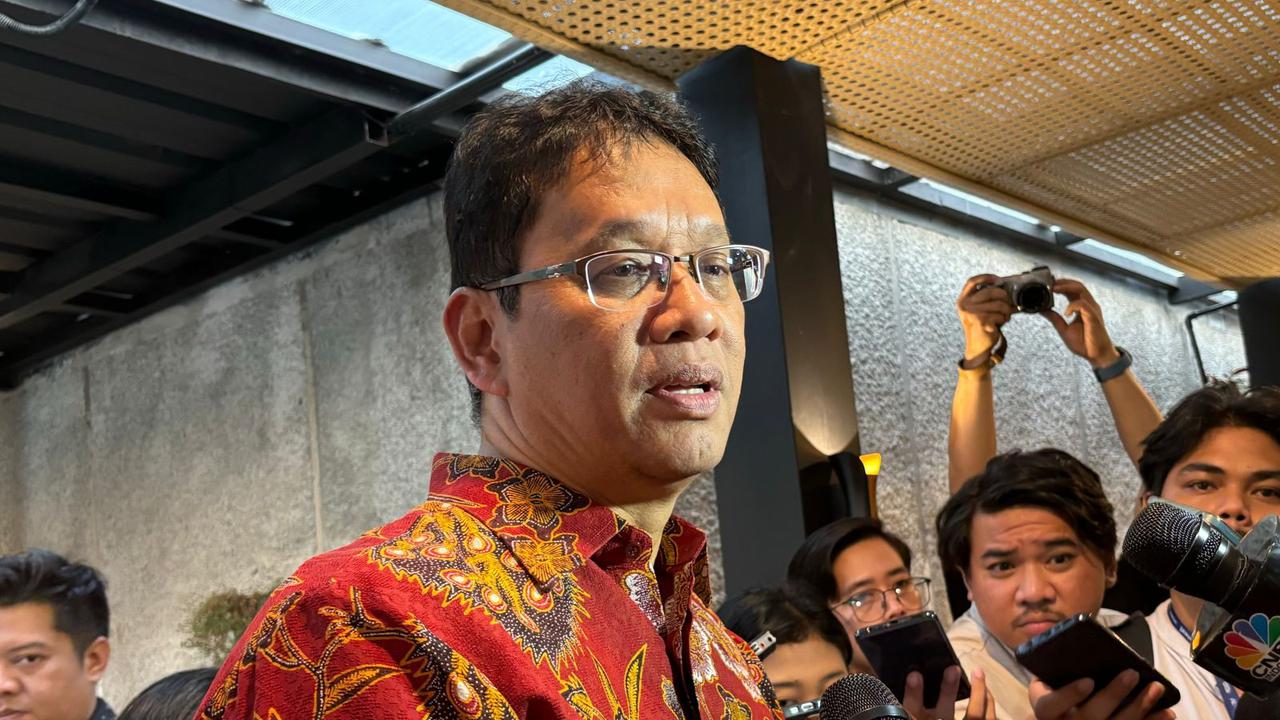
Finance Minister Purbaya Yudhi Sadewa emphasized that the government’s strategy is focused on maintaining growth momentum while strengthening long-term economic foundations. The 7–8 percent economic growth target remains realistic, supported by disciplined fiscal policy and the active participation of the private sector.
“Government policy is aimed at maintaining positive economic growth while simultaneously encouraging the private sector to grow stronger as the primary driver of growth,” he said.
Despite the current “hot” global conditions, the Indonesian economy remains “cool,” with stable growth around 5 percent and controlled inflation. The state budget deficit, maintained below 3 percent of GDP, and a relatively safe debt ratio, strengthen confidence in national fiscal management.
“Our fundamentals remain solid, with sufficient fiscal buffers to maintain stability amidst global dynamics,” he stressed.
In terms of state revenue, positive performance also continued. Increased tax revenues in early 2026 indicated continued robust domestic economic activity. Support from the Surplus Budget Balance (SAL) provided the government with room to mitigate volatility, particularly in the energy sector.
“Our fiscal condition is secure and under control. This is what keeps the Indonesian economy cool despite increasing global pressure,” the Minister of Finance added.
In infrastructure development, the government remains selective, prioritizing high-impact projects. The state budget acts as a catalyst to attract investment through partnerships with the private sector.
“We are encouraging creative financing, such as blended finance, to ensure development continues without unduly burdening the fiscal sector,” he explained.
Meanwhile, the Chairman of the National Economic Council, Luhut Binsar Pandjaitan, reported to President Prabowo Subianto that the national economy remains stable and under control. Based on the latest simulations, economic activity is projected to remain solid in the coming months.
“In a global climate of uncertainty, our economy remains on a safe and controlled path,” he said.
The government has also prepared mitigation measures to anticipate potential risks, including maintaining stable energy prices and ensuring the smooth flow of strategic commodity supply chains. Furthermore, deregulation and digital transformation are being accelerated to maintain national economic competitiveness.
“We are not only surviving, but also taking advantage of the opportunities presented by this global dynamic to drive leaps forward,” Luhut concluded.
